[The Story of the Spork (Sakiware Spoon)]
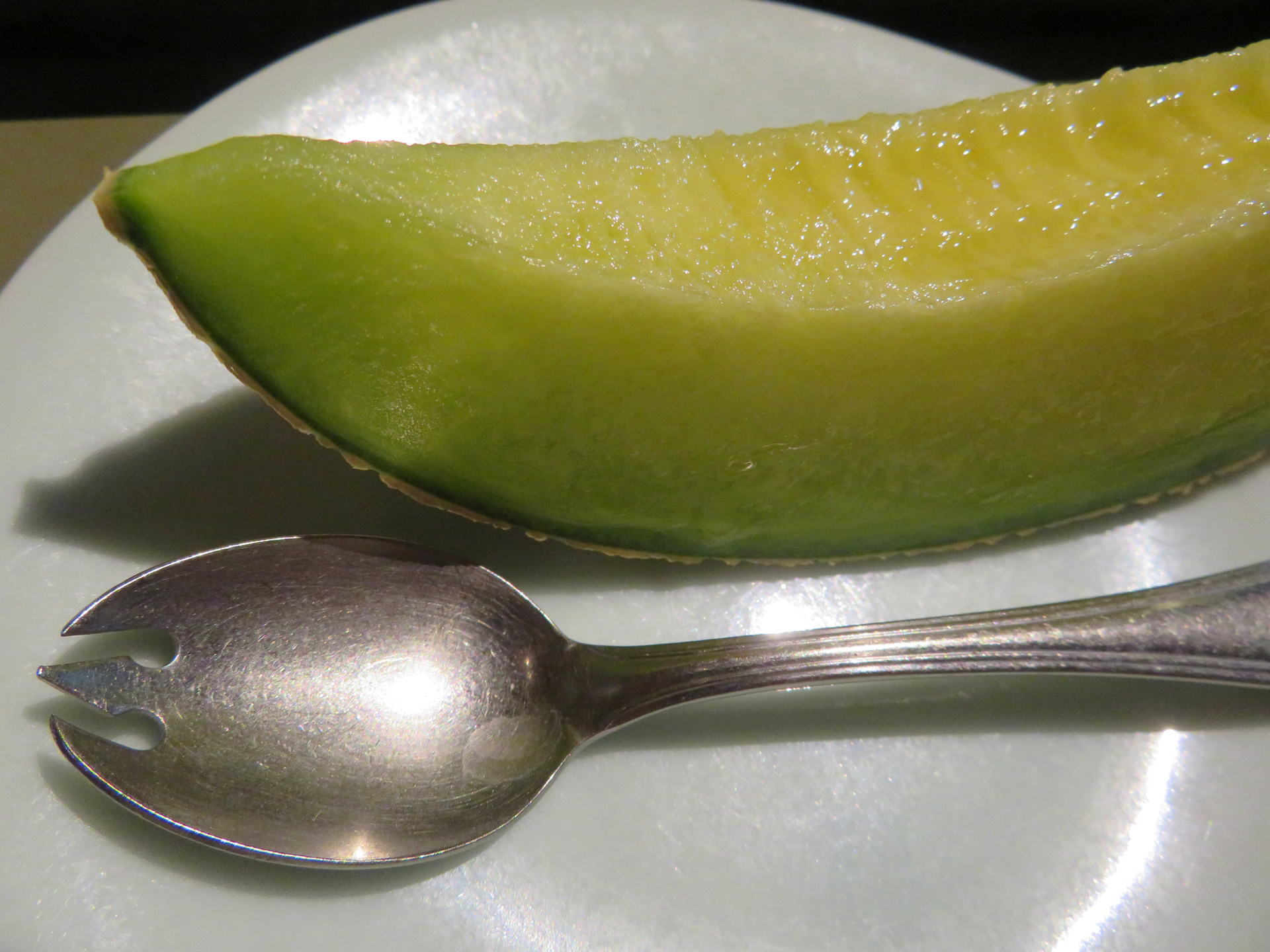
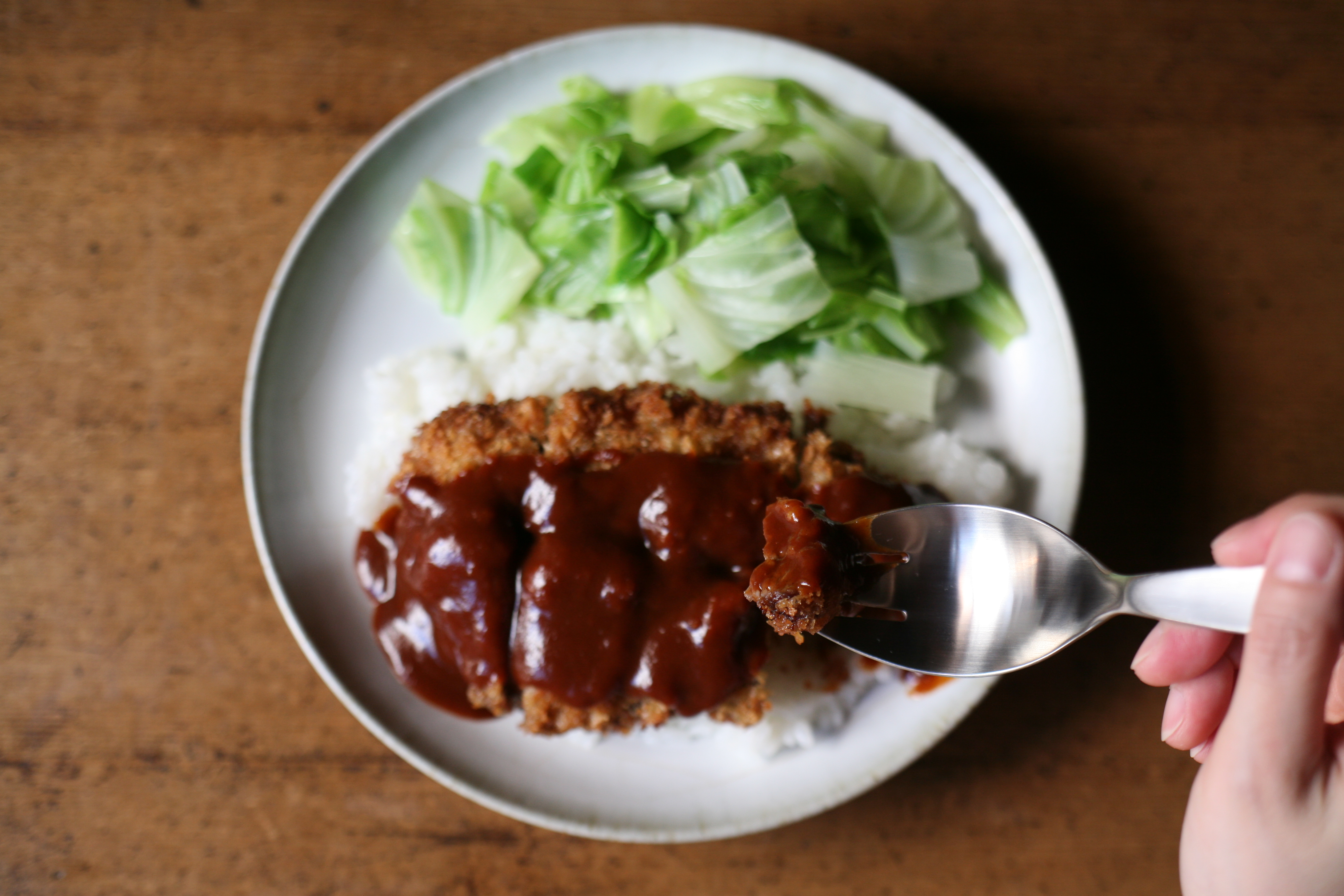
The spork—a hybrid utensil combining the scooping function of a spoon and the piercing function of a fork—is often associated with school lunches. It is a familiar tool for generations who were elementary and junior high school students from the Showa period through the early Heisei period. For younger generations, it likely evokes images of the simple plastic spoons that come with convenience store bento boxes or pasta. In Chinese-speaking regions, instant cup noodles sometimes come with a foldable spork. As choosing separate chopsticks, spoons, and forks according to the menu became commonplace, fewer schools use sporks uniformly as they once did.
The school lunch spork is said to have originated when a school inspector in Tokyo asked a manufacturer in Tsubame, Niigata, to improve upon a melon spoon, spreading widely across schools nationwide from the latter half of the 1930s through the 1940s of the Showa period (note: late 1960s to 1970s). The background behind its widespread adoption is believed to be the reduction of cost and effort in preparing and washing spoons and forks separately, decreasing the labor involved in meal distribution, efficiently providing meals under the hygiene standards of the time, and making it easier to handle Western-style school lunch menus such as powdered milk, bread rolls, and side dishes.
By the 1970s, sporks rapidly disappeared from school lunch settings. Because they were a jack-of-all-trades, strong criticisms arose from the media, parents, and educators, arguing that "children stop using chopsticks" and "they fail to learn proper chopstick etiquette." Sporks were too shallow for scooping liquid dishes and harder to handle than forks for piercing food. Consequently, they were criticized at the time for leading to "dog eating" (bending down to eat straight from the bowl without lifting it). With the full-scale introduction of rice-based school lunches starting in 1976, the approach shifted toward selecting and using utensils according to the menu, including chopsticks.
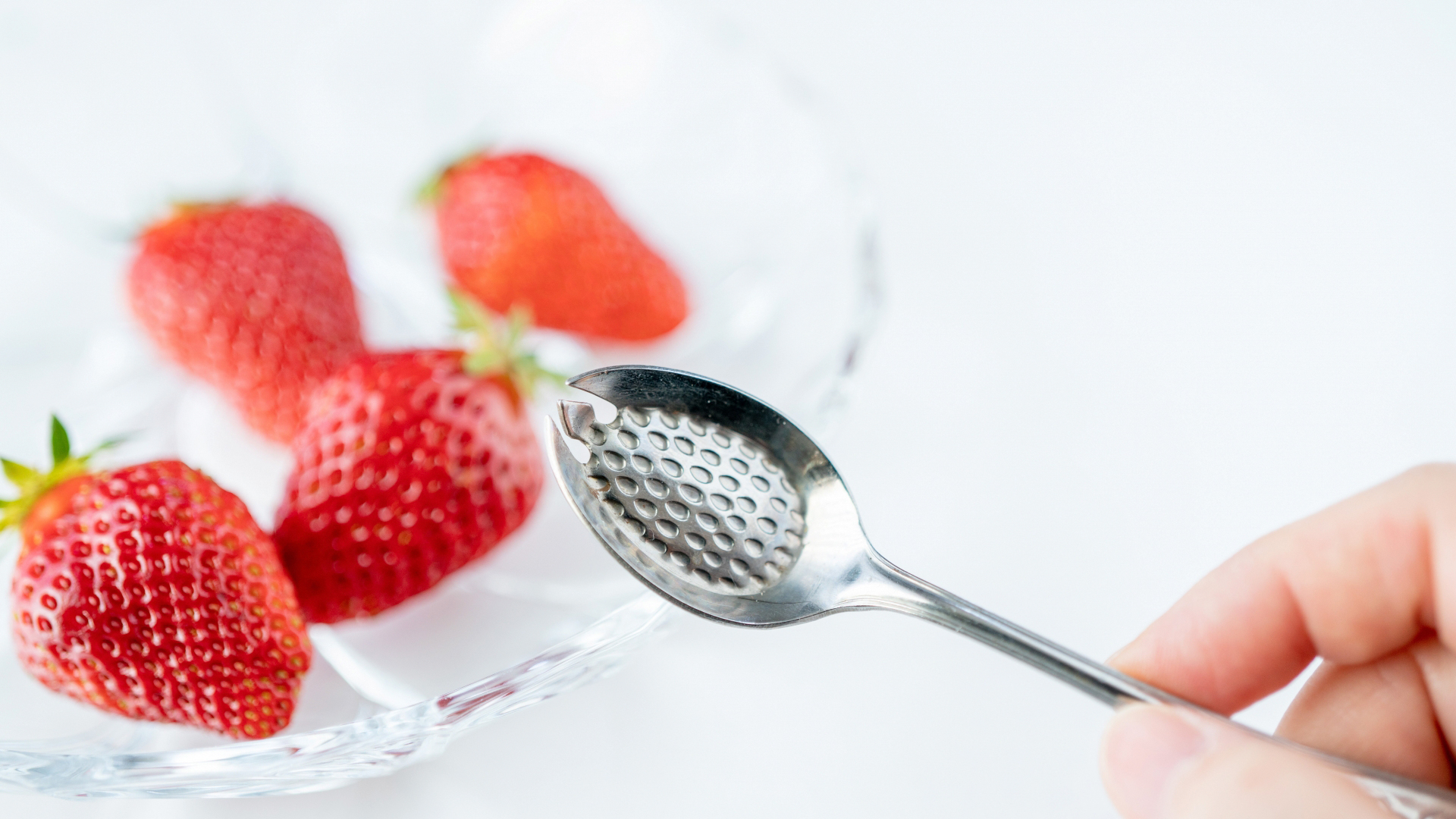
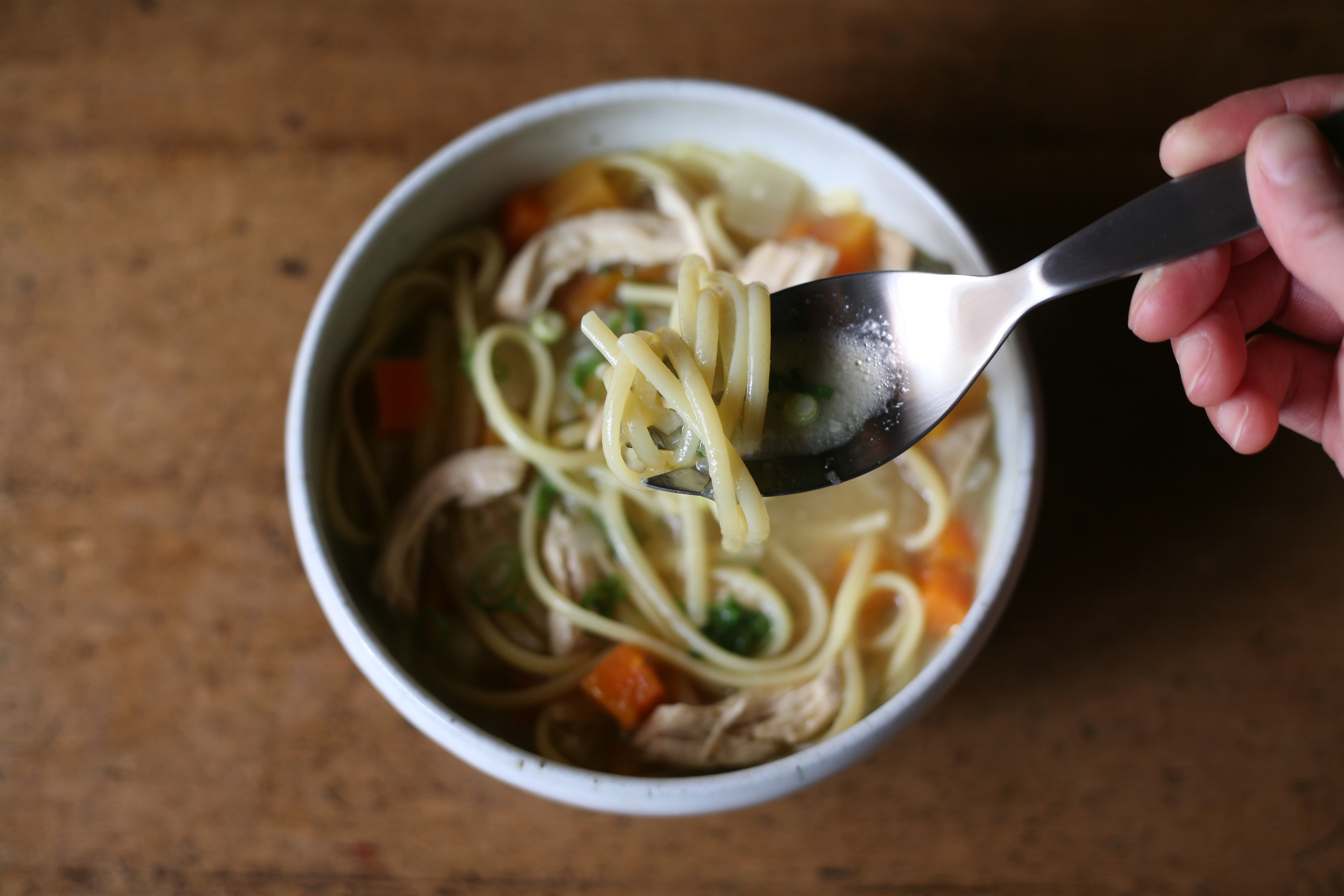
On the other hand, the strawberry spoon evolved uniquely for purposes other than school lunches. Characterized by bumps at the bottom of the bowl designed to easily mash strawberries and mix them with sugar or milk, many also feature a split tip for easier eating. A similar example is the "Ramen Fork," co-developed by the ceramic manufacturer Noritake and Sugakiya, a Nagoya-originated ramen chain. Created in 1978, it features a unique shape that allows one to scoop soup while winding up noodles, born against the backdrop of environmental issues caused by the massive consumption of disposable wooden chopsticks. Today, it is still carried in the collection of the Museum of Modern Art's MoMA Design Store in New York. Currently, the utility of sporks is being reassessed and utilized in outdoor gear, convenience store bento boxes, and universal design tableware in nursing care settings.
In the English-speaking world, this utensil is called a "spork," a portmanteau combining "spoon" and "fork." It has evolved in unique ways, driven by practical needs in settings such as fast food, the military, and the outdoors. The adoption of sporks by fast-food chains served as a backdrop for them to become widely known in America. In the 1970s, they were used at places like Kentucky Fried Chicken and Taco Bell. Because they are lightweight and easy to carry, sporks have also been prized in military rations and outdoor equipment. In overseas hiking and backpacking circles, they are widely used as lightweight cutlery that reduces pack weight.
Today, various forms of cutlery are born depending on the combination, such as the Knork (knife + fork), the Sporf (spoon + fork + knife), and the Splayd (originating in Australia and popular at buffet parties). In the coming era, multi-cutlery may prove to be a useful tool during disasters as well.
Yoshita Handi-Design Studio's Renge Fork
https://www.shokunin.com/en/yoshita/cutlery.html
References
https://ja.wikipedia.org/wiki/先割れスプーン
https://ja.wikipedia.org/wiki/スポーフ
https://ja.wikipedia.org/wiki/ノーク
https://adeac.jp/minato-city-kyouiku/top/spread/sub/01_kodomo/subpage1_1.html
https://dot.asahi.com/articles/-/40100?page=4
https://crd.ndl.go.jp/reference/entry/index.php?id=1000031803
https://www.momastore.jp/shop/g/g0708444726028/
