[Dried Foods and Dried Fish]
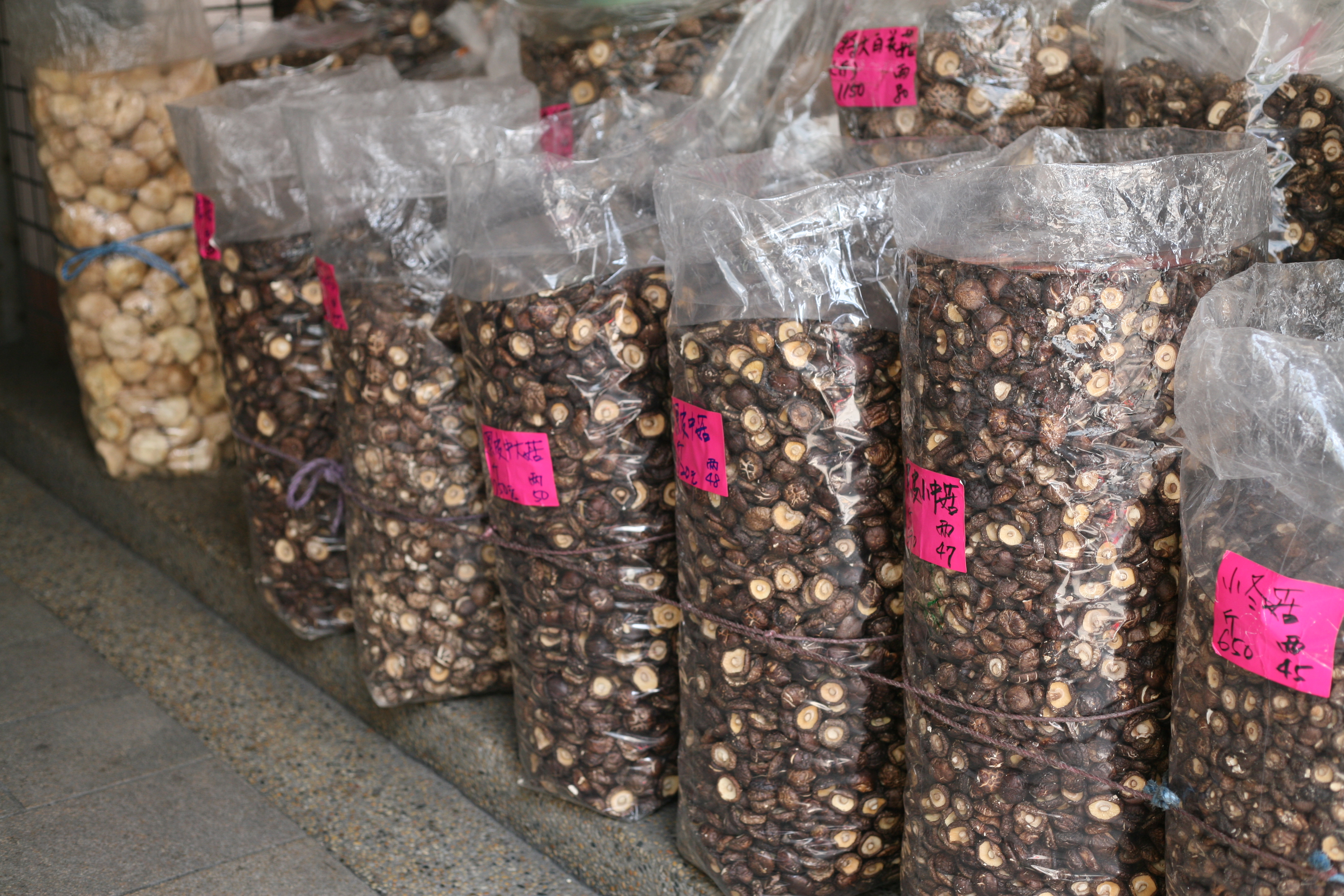
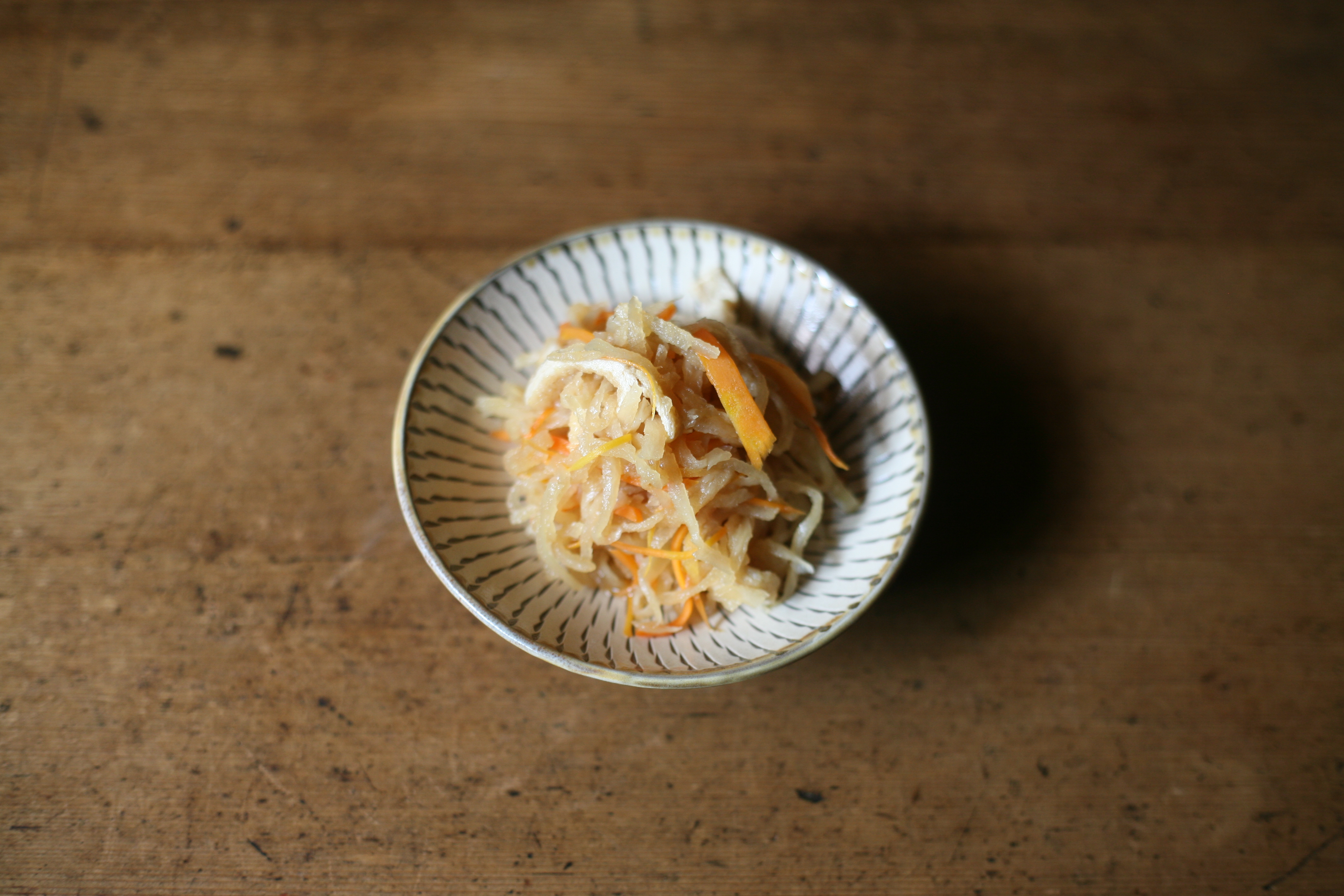
In my daily cooking, I frequently use dried foods. Whether adding wakame seaweed or fu to miso soup, making simmered dishes with kiriboshi daikon (sun-dried daikon strips) or hijiki, or boiling glass noodles and wood ear mushrooms to add texture as an accent in salads and soups, dried foods are reliable allies on busy days because you can proceed with other cooking while they rehydrate.
The history of eating dried foods in Japan is very ancient, with archaeological sites yielding traces suggesting that seafood was dried and preserved as far back as the Jomon period. Records also show that dried foods were used as a form of tax paid to the imperial court during the Nara period. In an era without refrigerators or freezers, people cultivated the wisdom of "drying" to preserve ingredients for extended periods.
Reducing moisture not only lets dried foods be stored longer, but also concentrates their umami and nutrients. Seaweeds such as wakame, kelp, and hijiki are particularly rich in vitamins, minerals, and water-soluble dietary fiber, which helps regulate the intestinal environment and suppress spikes in blood sugar levels. Many dried foods packed with dietary fiber—such as kiriboshi daikon, beans, seaweed, and mushrooms—make it easy to add fiber to daily meals.
This culinary wisdom, passed down continuously through generations, connects directly to our modern lives as well. Recently, products made by drying out-of-specification vegetables have also become available, helping to reduce food waste.
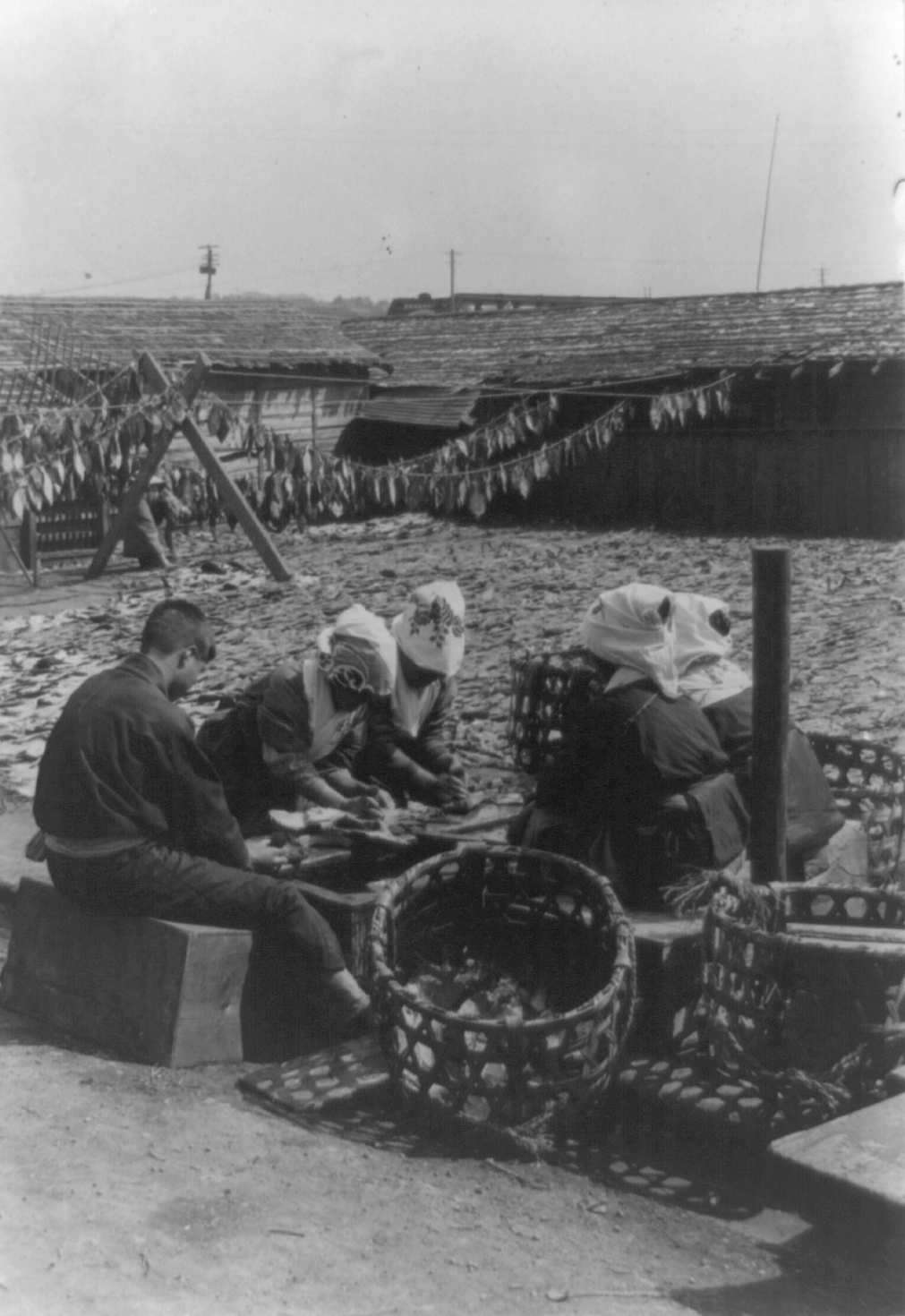
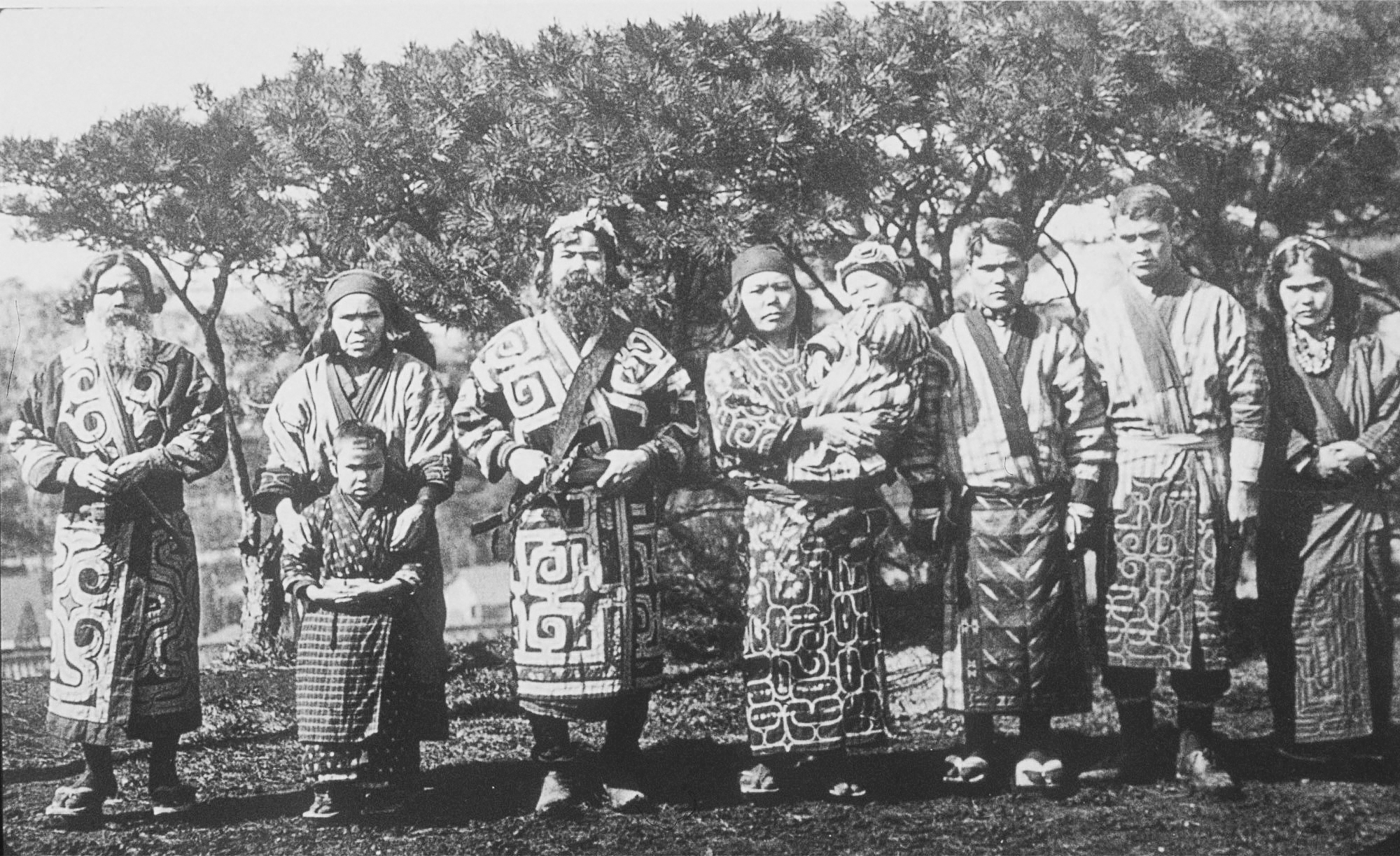
Additionally, "himono" (dried fish)—made by prepping fish and drying them—concentrates umami and creates a distinct flavor. Fish contains nutrients such as protein and calcium, and eating small fish whole allows you to receive the nutrients contained within their bones. By the way, shishamo dried fish, which is now enjoyed nationwide, originally served as a preserved food for the Ainu people of Hokkaido.
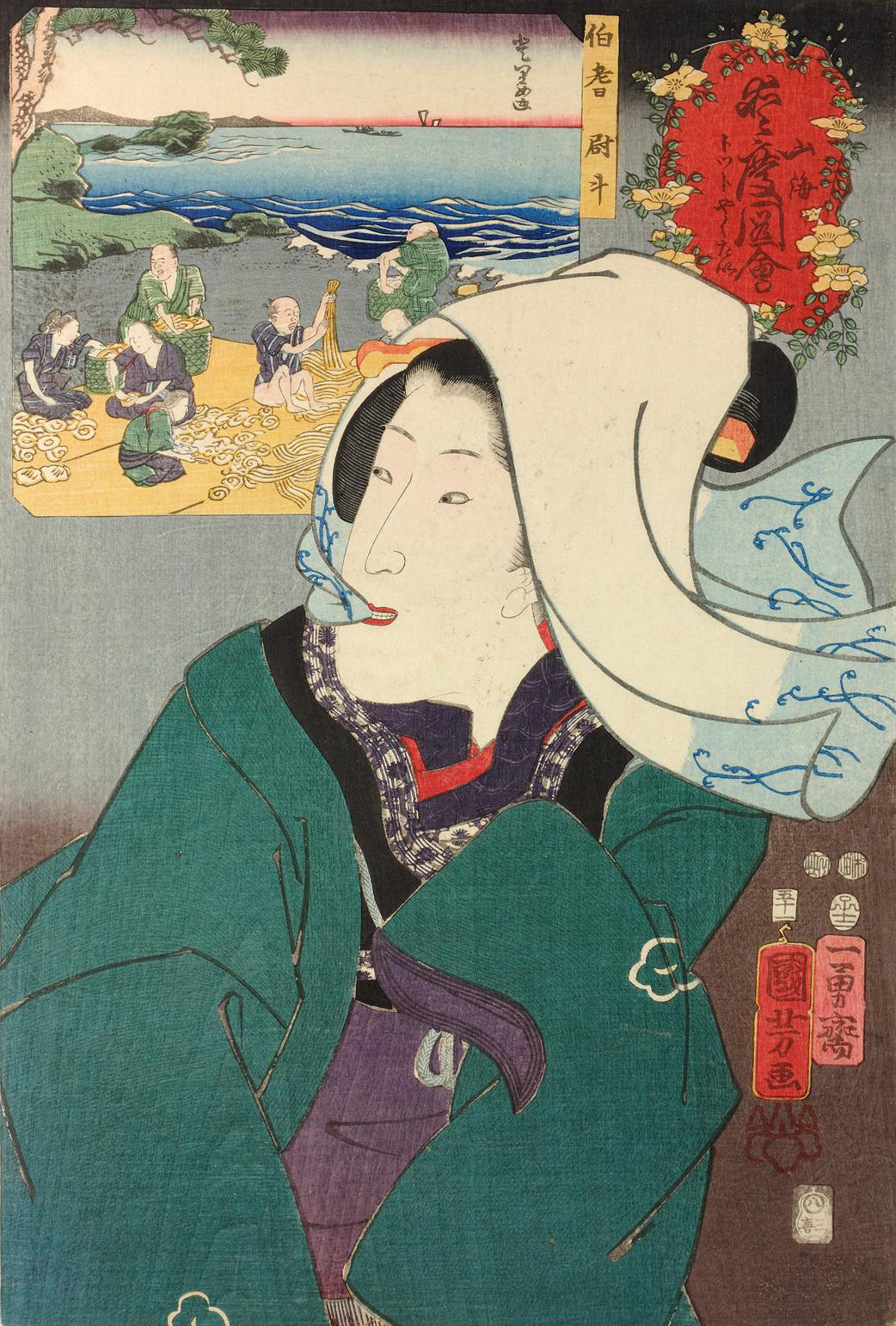
For someone like me, born in Hokkaido, dried fish holds a touch of nostalgic memory. Whenever I visited my grandparents' house, dried scallop adductor muscles and *sake-toba* were always there. Sake-toba is made by seasoning and drying salmon with salt; although high in sodium, just a small amount releases more umami the more you chew it. I am sure my grandmother prepared it for my grandfather, who loved his drinks, but looking back, I feel it was a quintessential scene of life in Hokkaido.
At fish markets in Hokkaido, you can sometimes see fish being dried outside while spinning around and around on machines right in front of the shop. To tourists visiting, it seems unusual, and I have seen people stop in their tracks to take photos, making me realize how food culture rooted in the land naturally remains part of daily life.
Furthermore, these days we never know when or where a disaster might strike across Japan. When disasters happen, we often hear people saying they wish they could eat vegetables. When people think of emergency rations, they tend to think of special foods, but if you regularly incorporate dried foods into your cooking, they should be easy to use when an emergency arises. Stockpiling items like wakame, kiriboshi daikon, beans, and dried mushrooms is one effective approach. Using them little by little in everyday meals while building a stockpile—I want to keep practicing such a lifestyle of "preparing while eating."
The culinary wisdom of "drying" was created by ancestors to avoid wasting ingredients and to cherish them for a long time. Now, in an age overflowing with conveniences, I want to continue cherishing this long-inherited wisdom.
Onta Ware's Small Plate
https://www.shokunin.com/en/onta/
Seiryugama's Kobachi L
https://www.shokunin.com/en/seiryu/kobachi.html
Otaru Showroom
https://www.shokunin.com/en/showroom/otaru.html
References
https://www.maff.go.jp/j/keikaku/syokubunka/traditional-foods/bunrui/kanbutsu.html
https://agriture.jp/oem/dry-food/
