

[A Recent Word on Biryani]
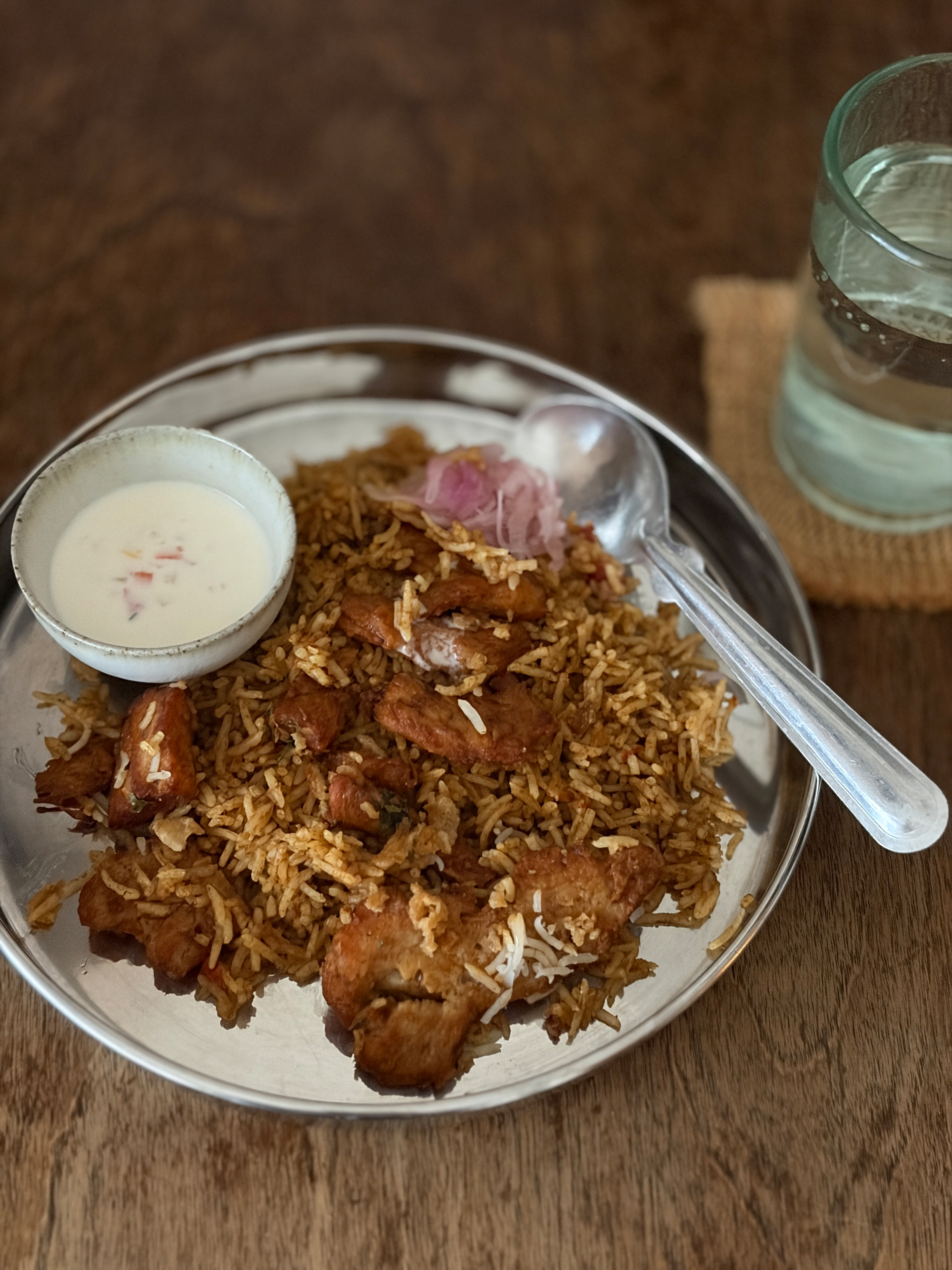
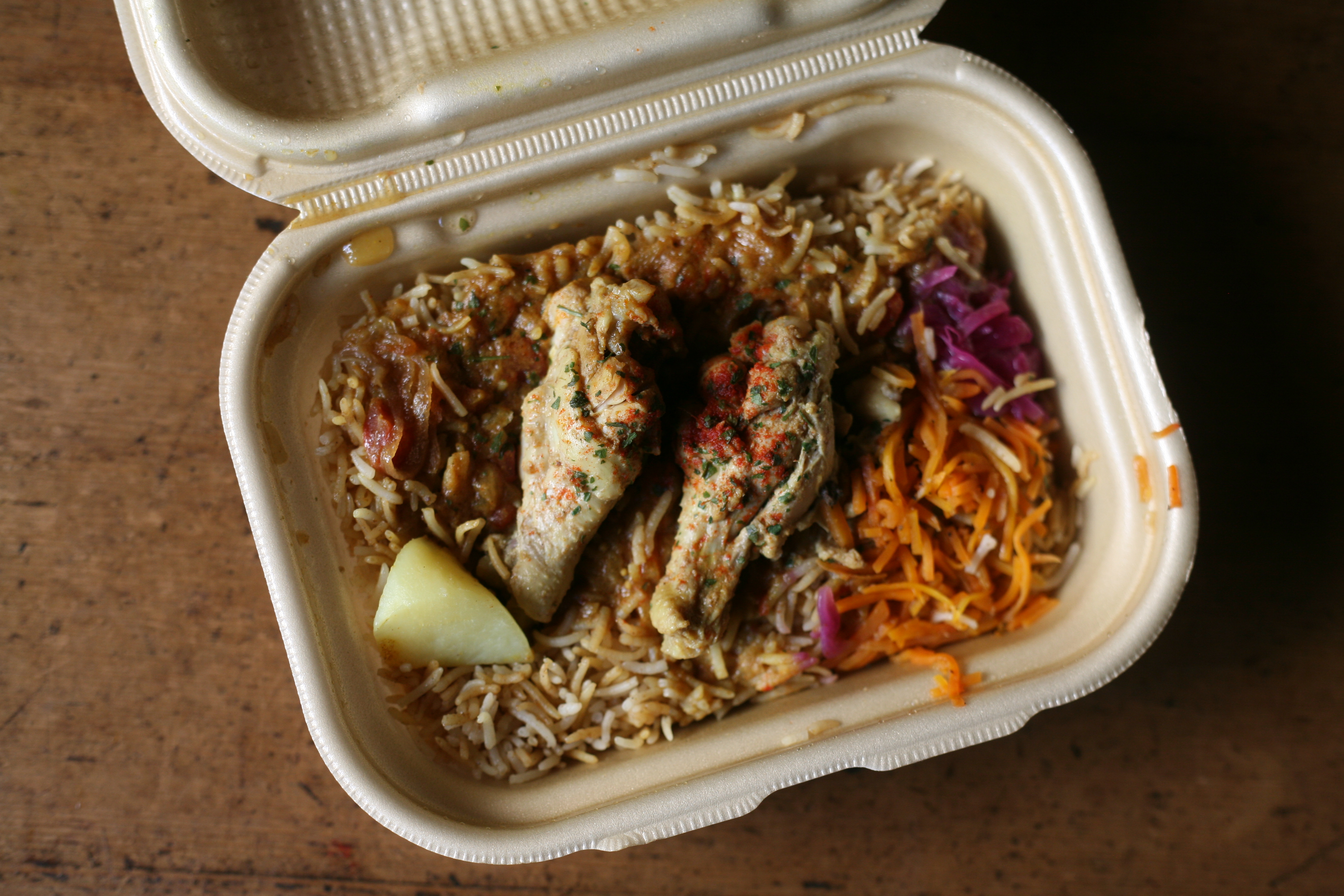
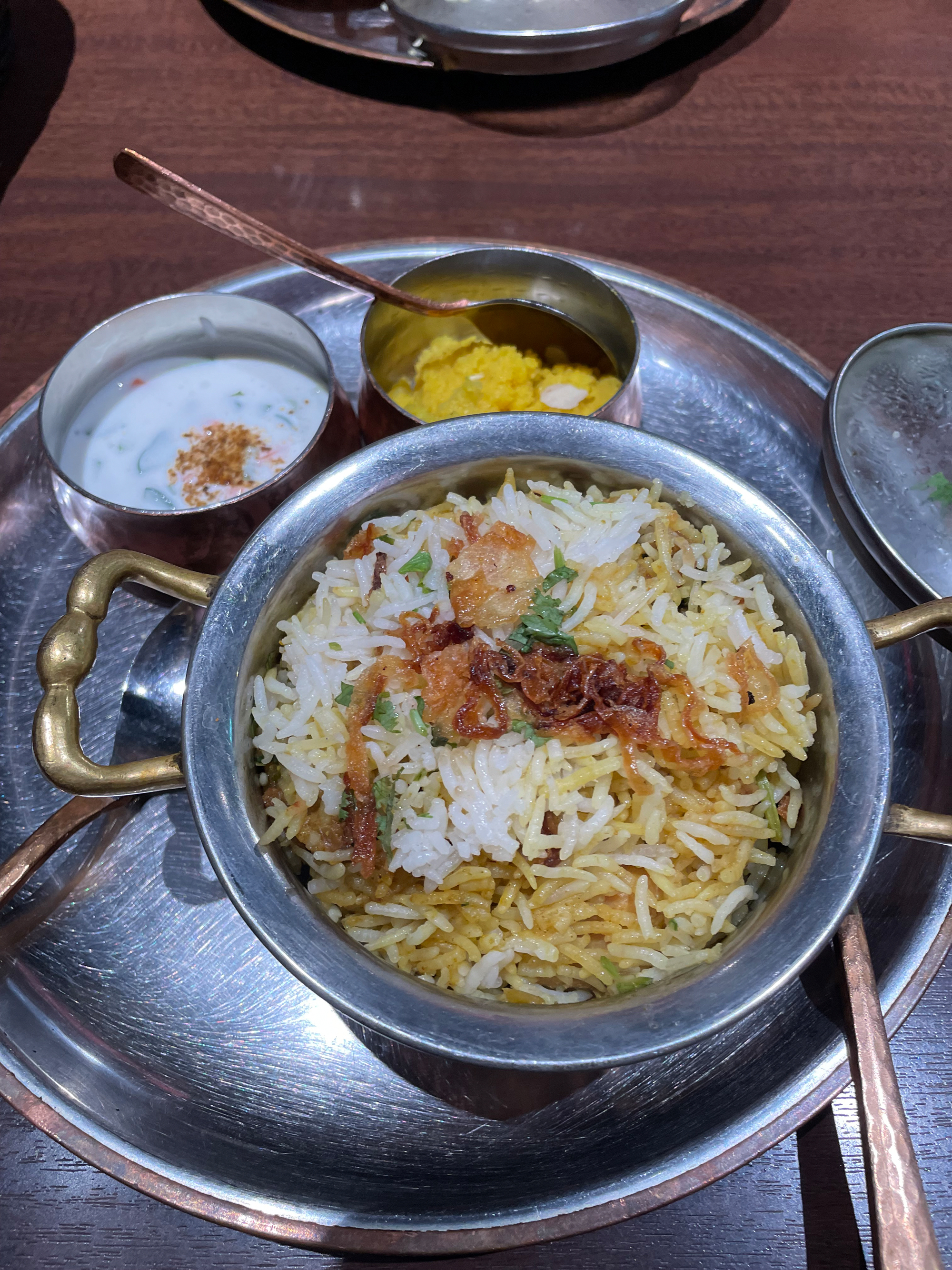
Originating in the Indian subcontinent, biryani has recently become easier to find in authentic forms at major supermarkets like Seiyu and even convenience stores.
When it comes to Indian cuisine, I feel like naan and butter chicken curry used to be the quintessential popular choices. Lately, however, we can enjoy a wide variety of dishes such as South Indian meals and biryani, which makes me very happy as an Indian food lover.
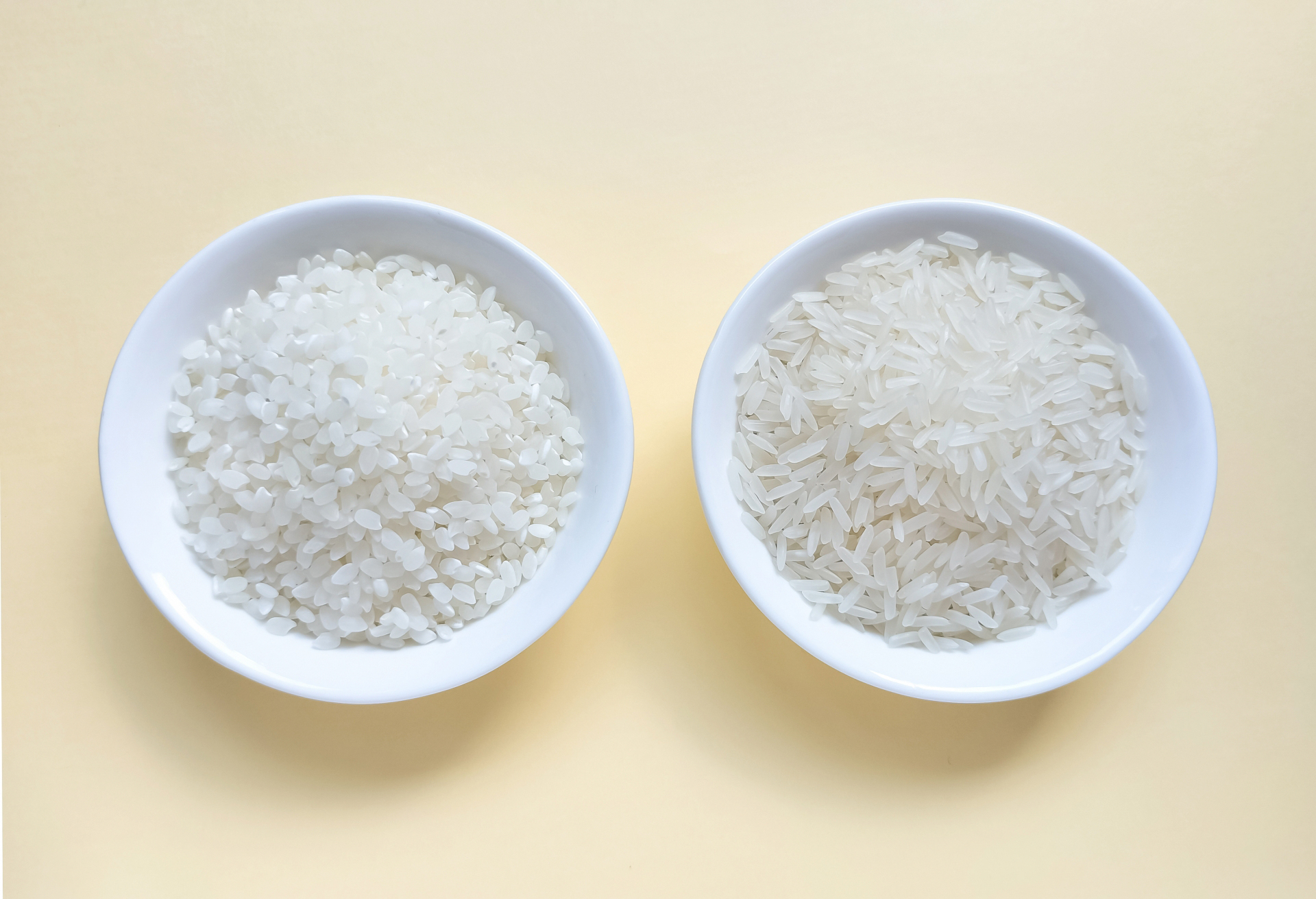
The extra-long grain rice found in biryani is known as "basmati rice," an aromatic indica variety. It is characterized by its slender, unique appearance and a lightness that gently melts in the mouth, perfectly complementing heavy sauces and robust spices. Because of its light, non-heavy texture on the stomach, I always end up eating a little too much of it.
Basmati rice is sometimes described in Hindi as meaning "the queen of fragrance" or "full of fragrance." It is characterized by a sweet, savory, and unique aroma reminiscent of popcorn or nuts. A key component heavily involved in this fragrance is an aroma compound called "2-acetyl-1-pyrroline (2AP)." The aroma of basmati rice is influenced by many factors, including not only the variety's characteristics but also its growing environment and maturation. Cultivated for centuries in the region corresponding to modern-day India and Pakistan, it encompasses a wide diversity of varieties, with those produced in the Himalayan foothills often considered to be of particularly high quality.
The etymology of "biryani" has various theories, with suggestions pointing to the Persian word "birinj," meaning "rice," or "biryan," meaning "to fry" or "to roast."
Biryani is a dish that developed in the Indian subcontinent through the fusion of the rice cooking culture introduced to Persia (modern-day Iran) with India's rich spice and rice cultures. It is thought that Persian rice dishes like pulao combined with Indian spices, basmati rice, ghee (clarified butter), and other ingredients within the court cuisines of empires such as the Mughal Empire, subsequently developing while incorporating regional ingredients and cooking methods. Deeply intertwined with the movement of people via Indian Ocean trade and the exchange of Islamic culture, ingredients, and culinary traditions, it evolved into regional biryanis and rice dishes unique to each locale.
The former northern capital of Lucknow features Awadhi biryani, which developed against the backdrop of court cuisine. It is characterized by an elegant and gorgeous aroma utilizing saffron, rose water, and kewra (flower water). Its representative "pakki" method involves layering pre-cooked meat and half-boiled rice, sealing the pot, and slow-cooking it using a steaming method called "dum." Its charm lies in a delicate flavor profile where the rich flavor of the meat, spices, and floral fragrances layer upon one another rather than relying on intense heat or spiciness.
On the other hand, Hyderabad in southern India features the robustly flavored Hyderabadi biryani. Utilizing green chilies, mint, coriander, and spices, it is characterized by a piquant heat and the refreshing fragrance of herbs. Particularly well-known in Hyderabadi biryani is the "kachchi" method. Raw meat is marinated in spices, yogurt, and other ingredients, layered with half-boiled rice, and the pot is sealed to finish with dum cooking. Because the moisture, fat, and steam released from the meat cook the meat and rice simultaneously, the meat's savory juices infuse into the rice, creating a powerful and unified flavor profile. India also features other regional variations of biryani. The preparation methods are not uniform, including types that use raw rice directly or types that use smaller Kaima rice instead of basmati.
Lately, what we relatively often see in Japan might be the Hyderabadi-style spicy biryani. In Japan, you can find everything from authentic versions to those localized to suit Japanese ingredients and cooking environments. I find it remarkable that we can now enjoy basmati rice biryani even at convenience stores.
Learning about, eating, and cooking rice dishes from around the world—it is truly delightful to have an increasing choice of such dishes.
Seiryugama's Sencha Cup
https://www.shokunin.com/en/seiryu/sencha.html
References
https://ja.wikipedia.org/wiki/ビリヤニ
https://ja.wikipedia.org/wiki/バスマティ
https://ja.wikipedia.org/wiki/香り米
https://mashal.jp/blog/explain-how-to-make-biryani/
https://en.wikipedia.org/wiki/Dum_pukht
