[Asuka Village]
Can you immediately recall how many World Heritage sites there are in Japan? Currently, there are 27 natural and cultural World Heritage sites combined in Japan, and the 27th site, registered in July, is the "Asuka-Fujiwara Palace Sites" in Nara Prefecture. This World Heritage registration was heavily covered in the news, so it is likely fresh in many people's memories.
The "Asuka-Fujiwara Palace Sites" consist of 19 assets across a region spanning Kashihara City, Sakurai City, and Asuka Village in Nara Prefecture. During the Asuka period from the late 6th to the early 8th centuries, this region served as the political and cultural center. Through exchanges with countries in East Asia, it incorporated new technologies, cultures, and political systems, establishing the framework of a centralized state. It is truly the birthplace of "Japan."
I was able to visit Asuka Village, home to numerous such constituent assets, in early June. As a side note, the day after I visited Asuka Village, the news reported that UNESCO's advisory body recommended the "Asuka-Fujiwara Palace Sites" for World Heritage cultural registration. Feeling a sense of timing and destiny, it made for a delightful journey.
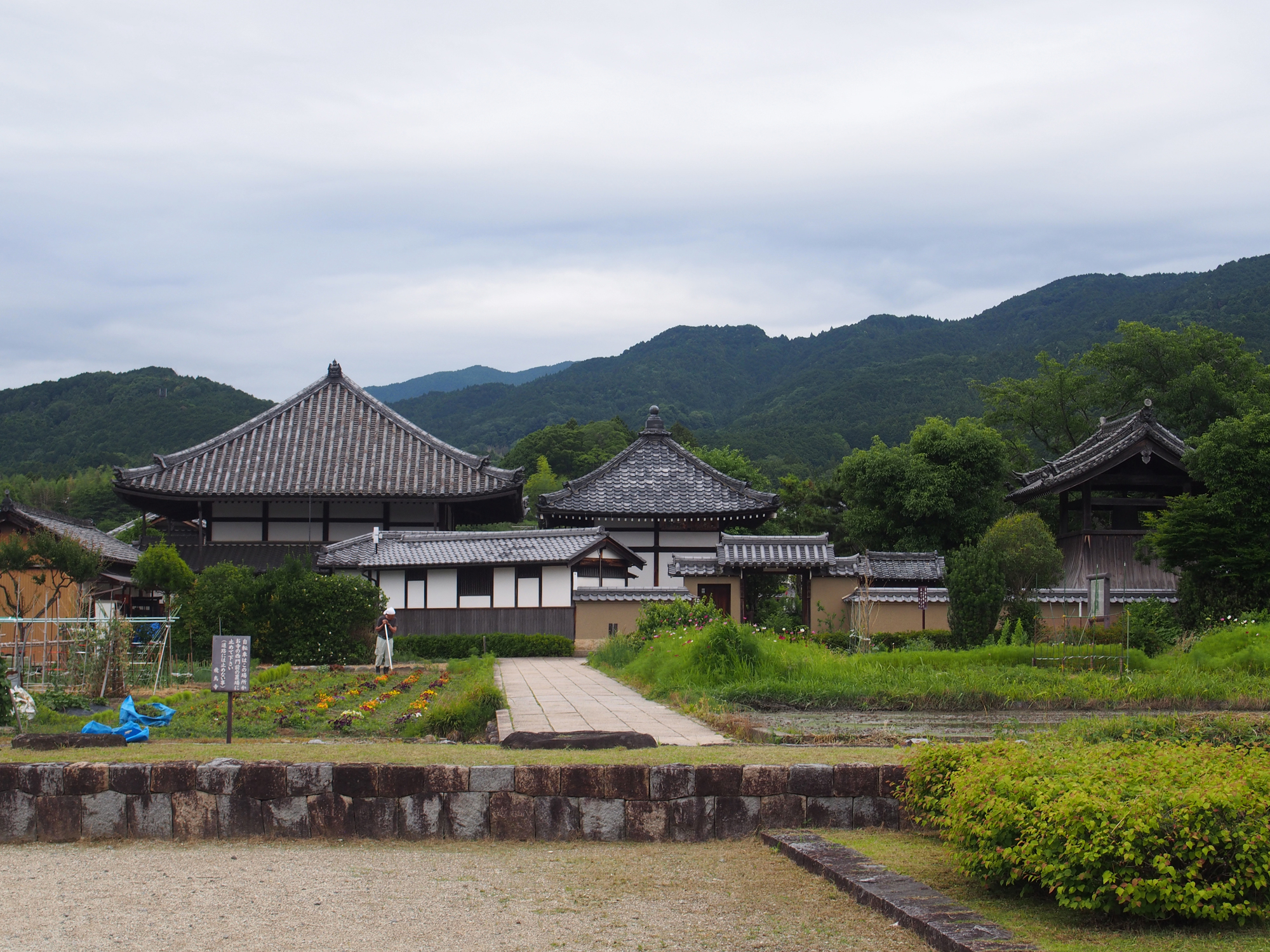
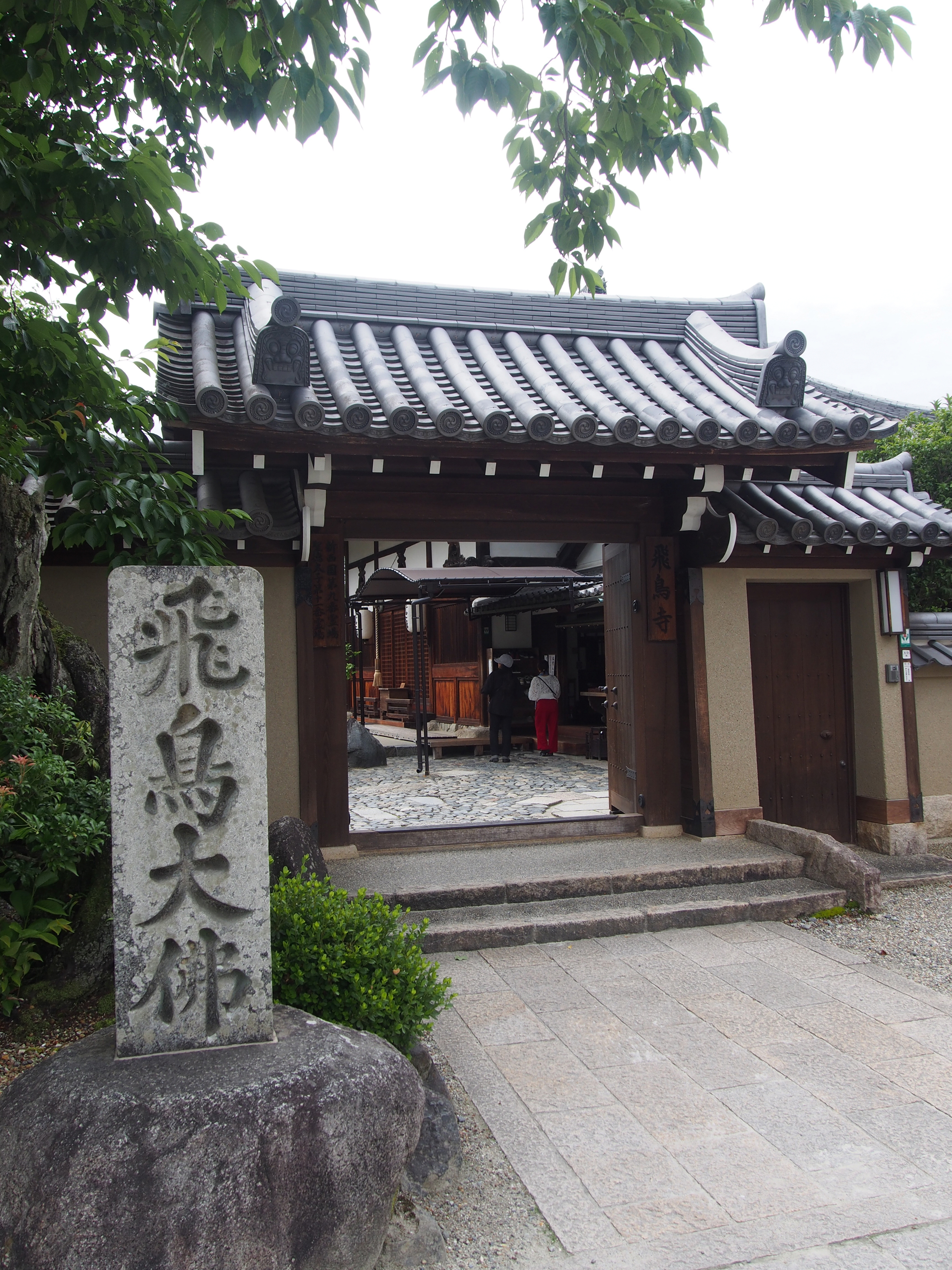
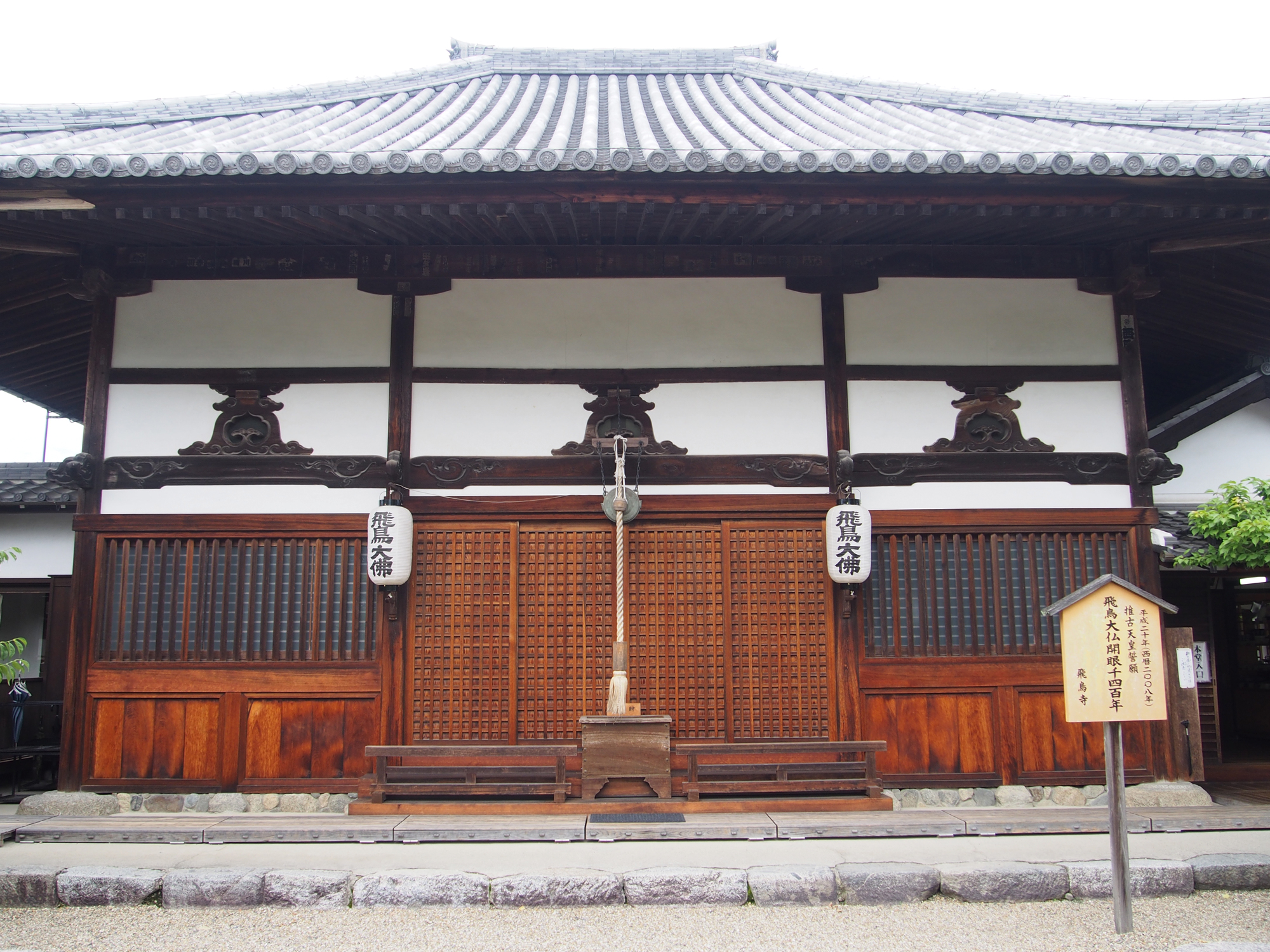
The first place I visited was the ruins of Asuka-dera Temple. Founded at the vow of Soga no Umako, Asuka-dera is the oldest temple in Japan featuring a full-scale Buddhist garan (temple layout). According to the "Nihon Shoki" (Chronicles of Japan), Buddha's sarira (ash relics) were brought from Baekje in 588, and construction began. For its construction, technologies transmitted by immigrant artisans from Baekje (in the southwestern part of the Korean Peninsula)—such as temple builders, tile experts, and painters—were utilized. Asuka-dera is also the first building in Japan where roof tiles were used, and the tiles excavated from the site feature floral patterns known as "soben renge-mon" (plain lotus petal patterns), which closely resemble tiles excavated from Baekje temple ruins.
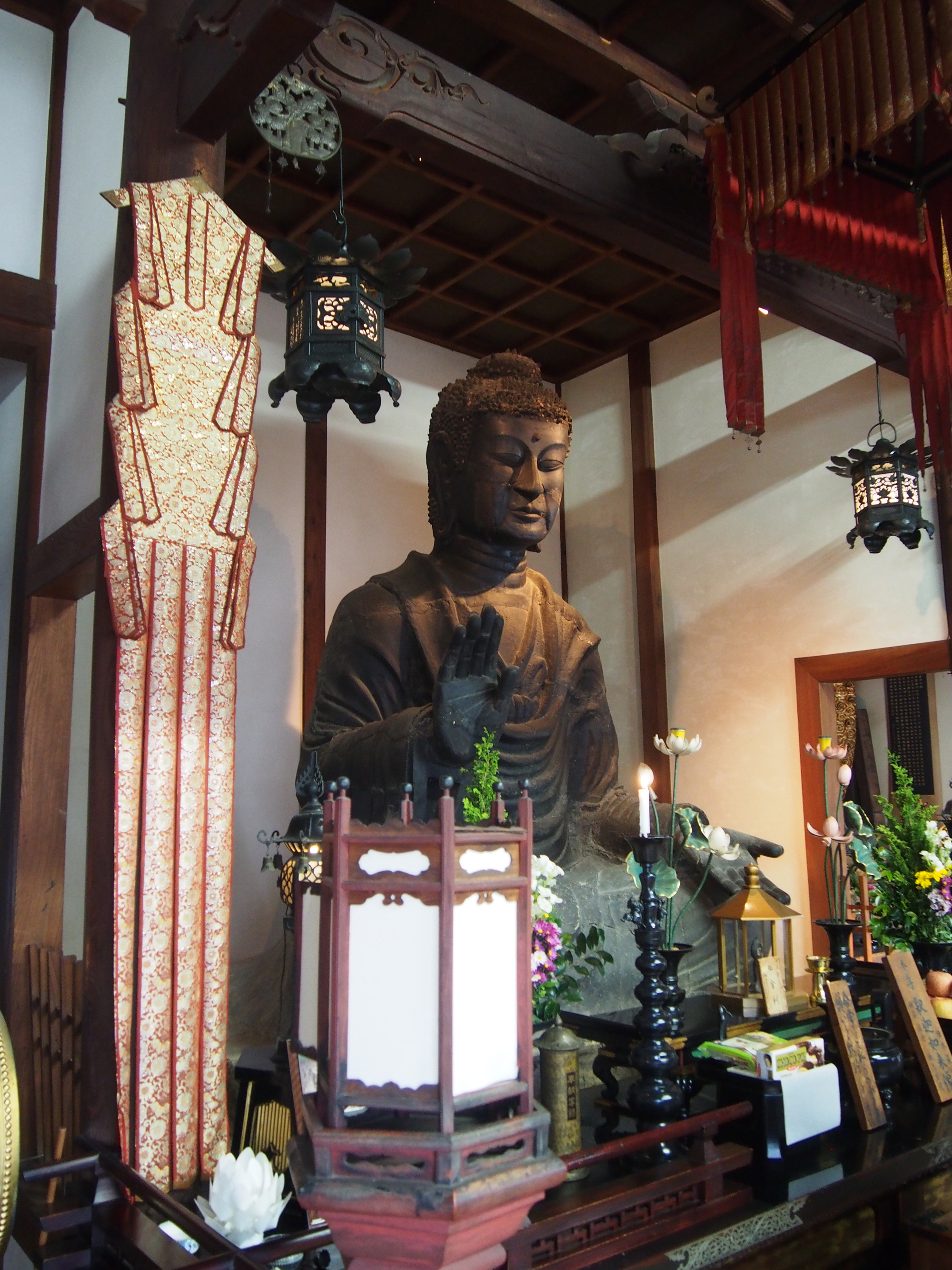
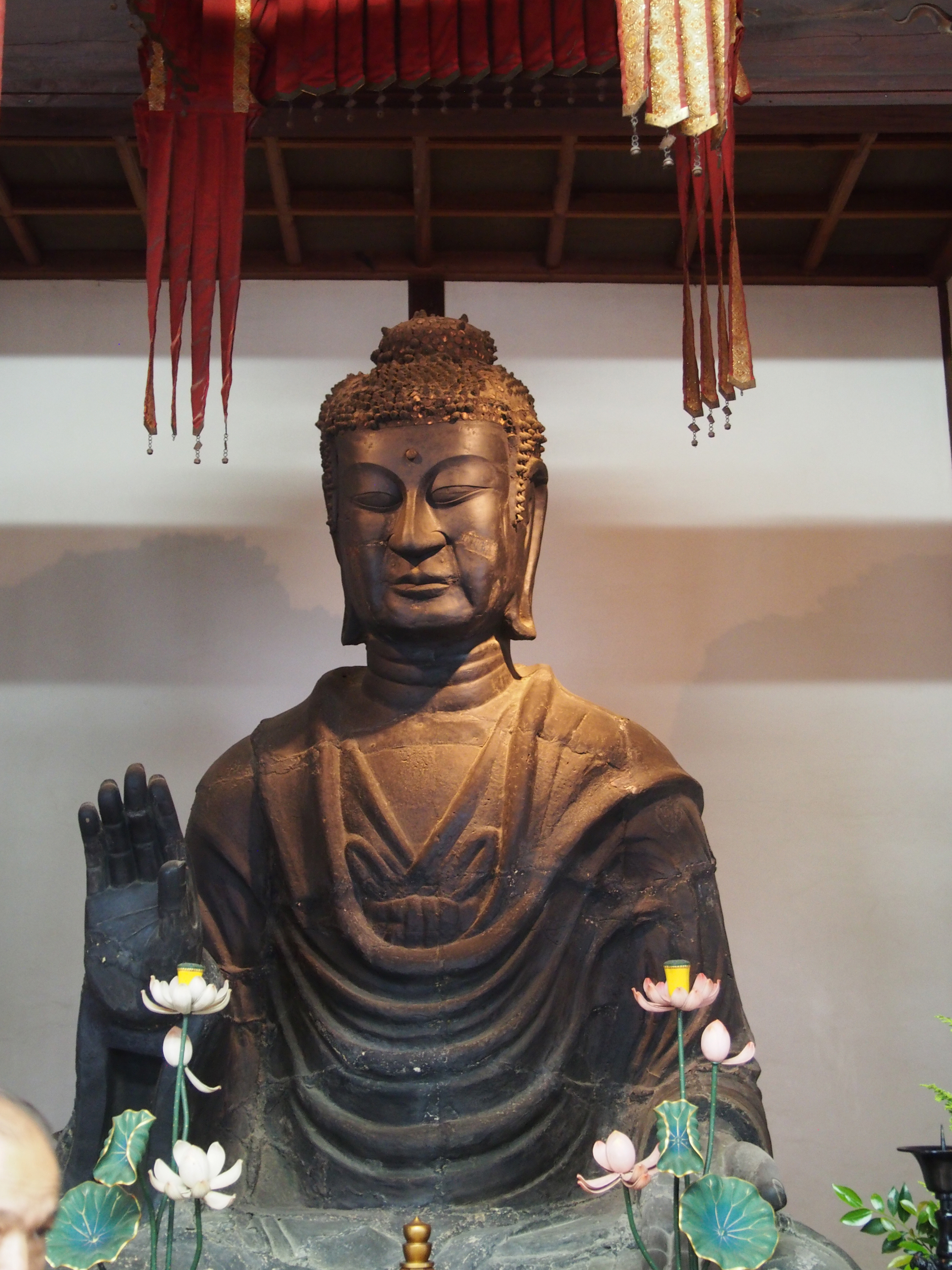
Although the buildings from the time of its foundation were lost to fire, the "Asuka Daibutsu" (Seated Shaka Nyorai), the oldest existing Buddha statue in Japan, still sits enthroned in the exact same location as when it was first created. Observing the face of the Asuka Daibutsu closely, one can strongly feel the influence of continental culture in its elongated face and almond-shaped eyes. This makes complete sense, as the sculptor of this statue is believed to be Kuratsukari no Tori, a Buddhist sculptor of immigrant descent.
Furthermore, on the west side of Asuka-dera stands the head mound of Soga no Iruka. This is because a legend remains that the head of Soga no Iruka—who was assassinated by Naka no Ōe no Ōji and Nakatomi no Kamatari at the Asuka Palace Site (a constituent asset) located south of Asuka-dera—flew all the way to this spot. Soga no Umako, Soga no Iruka, Naka no Ōe no Ōji, Nakatomi no Kamatari, and the Isshi Incident. The vocabulary words we desperately memorized, tucked away deep in the drawers of our memory, are pulled out one after another. Asuka Village is a place where textbook stories from a distant era manifest before your eyes in tangible forms.
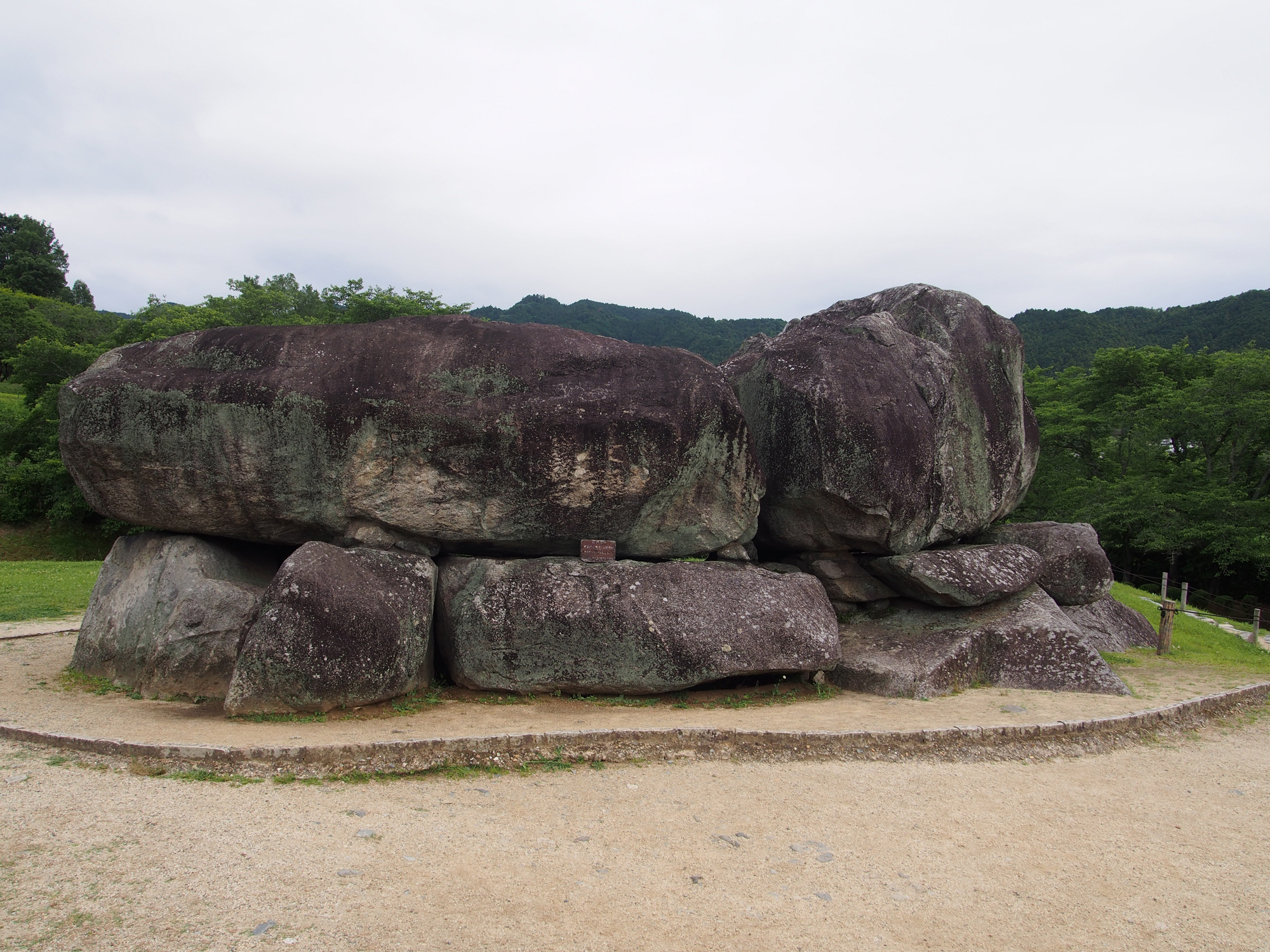
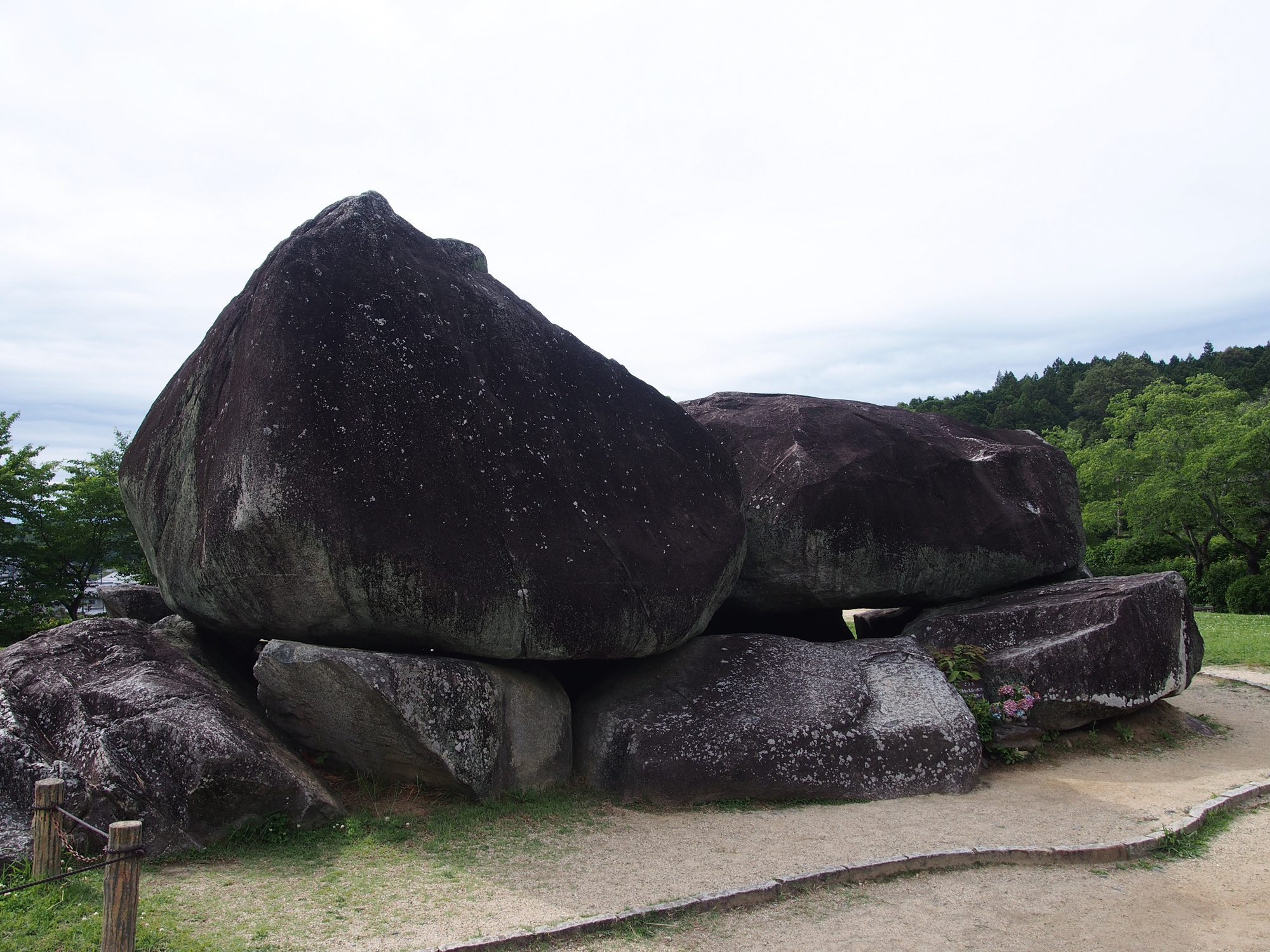
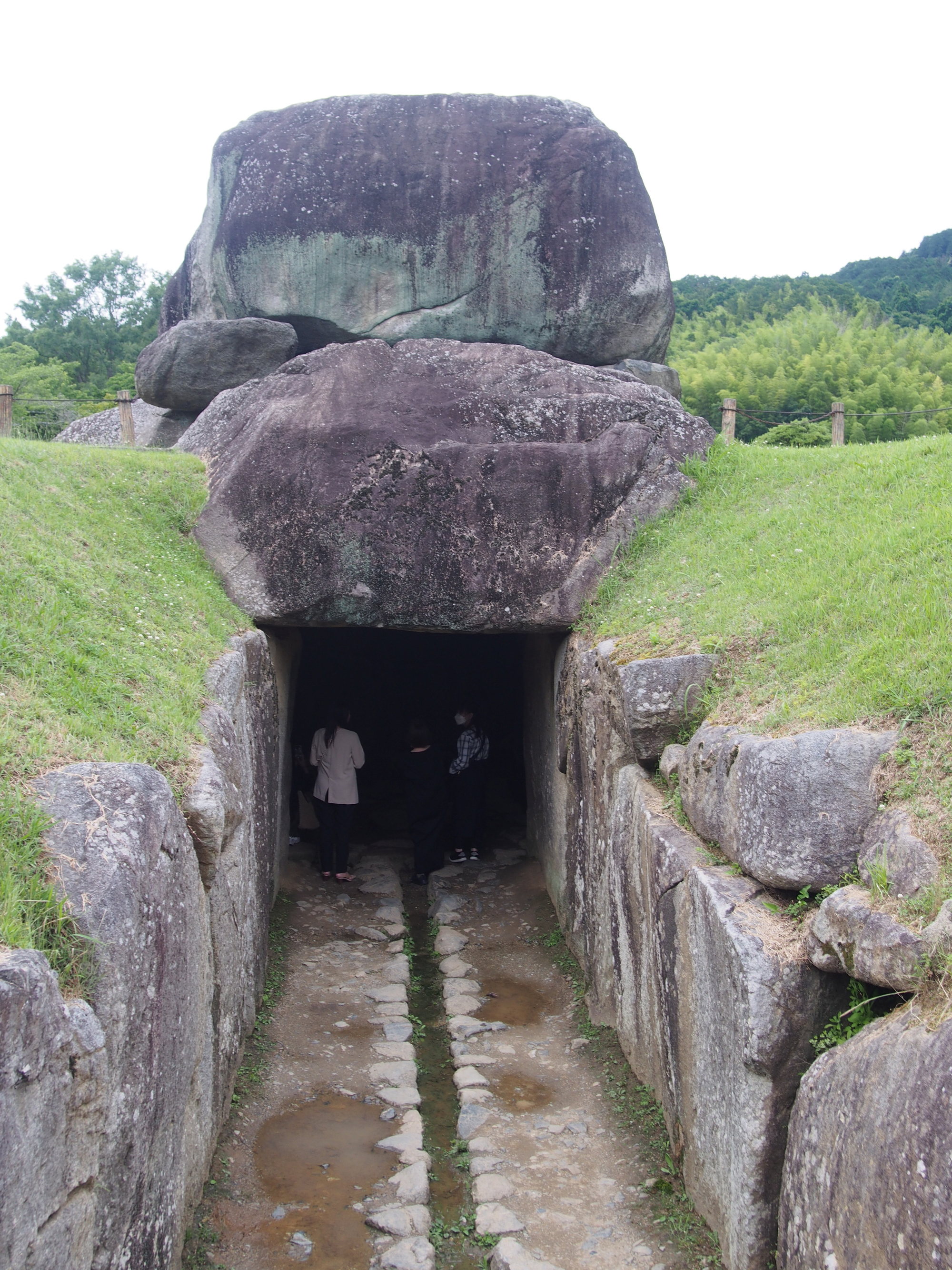
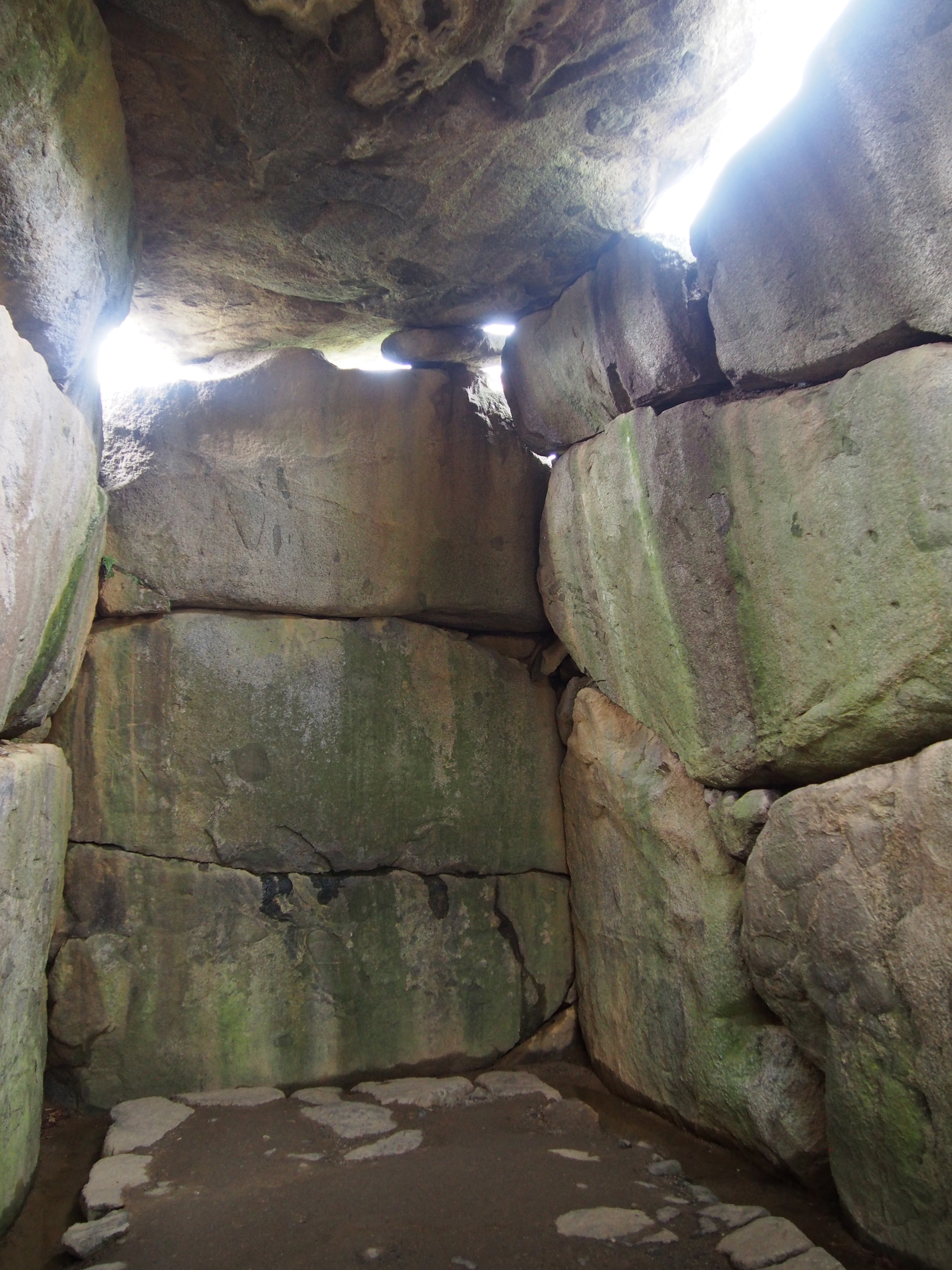
The next place I visited was Ishibutai Kofun (Stone Stage Tomb). Although the person entombed has not yet been definitively identified, the theory that it is Soga no Umako is the most prominent. It is one of the largest square tumuli in Japan, with an estimated total weight of 2,300 tons for the stone chamber constructed by piling up 30 giant stones. Because the earthen mound has been lost, the stone chamber is exposed. Encountering Ishibutai Kofun in person leaves you overwhelmed by its sheer size, rendering you speechless. Your mind fills with questions: How on earth? Who built it in an age without cranes, heavy machinery, or computers? Experiencing wonder not just from what is in front of you, but letting your imagination expand and sparking your own "questions"—this, I realized, is the true way to enjoy Asuka Village and the ancient era.
What sparks curiosity here is how the traces of an era as unimaginably distant as 1,400 years ago have been preserved. The person who devoted himself to this was Keizo Mii. Mii was working as a Kampo (traditional herbal) doctor in Osaka, but he became enchanted by the timeless, beautiful landscape of Asuka and moved there. Feeling a profound sense of crisis as the wave of residential development during Japan's high economic growth period encroached upon Asuka Village, Mii recorded his heartfelt thoughts onto a single cassette tape in 1970 as a "spoken direct appeal" and entrusted it to Konosuke Matsushita, the founder of Panasonic, with whom he had a close relationship. The tape was passed from Matsushita to then-Prime Minister Eisaku Sato, who actually visited Asuka Village to inspect the area. Afterwards, a Cabinet decision was made toward its preservation. This series of events supported various measures and the enactment of laws to protect the natural environment and scenery of Asuka Village for the future.
The ancient people who forged the birthplace of "Japan" in this land, the people who advocated for its importance and sought to protect its traces, and the people who currently live in Asuka Village and safeguard its landscape. I felt that it is through the connection of people's thoughts spanning 1,400 years that led to this World Heritage registration.
I toured Asuka Village using a rental car this time, but once a slightly more comfortable season arrives, I hope to revisit Asuka Village to fully immerse myself in ancient romance by making the most of bicycles and walking. Just imagining the beautiful, seasonally changing appearance of Asuka Village swells my heart with anticipation. Recently, Nara Prefecture announced plans centering around the World Heritage registration, including improvements to local transportation access and touring environments, as well as collaborative events. Asuka Village is bound to attract even more attention from both within Japan and abroad. How about considering it as one of your travel destinations for the upcoming autumn?
References
https://asuka-fujiwara.jp/kids/
https://www.asukabito.or.jp/benefactor.html
https://asukamura.com/asuka-fujiwara/
https://www.pref.nara.lg.jp/ikasu-nara/bunkashigen/main10649.html
https://yamatoji.nara-kankou.or.jp/03history/04stone/03east_area/ishibutaikofun/
https://online.bunka.go.jp/heritages/detail/544736
