[Ontayaki]
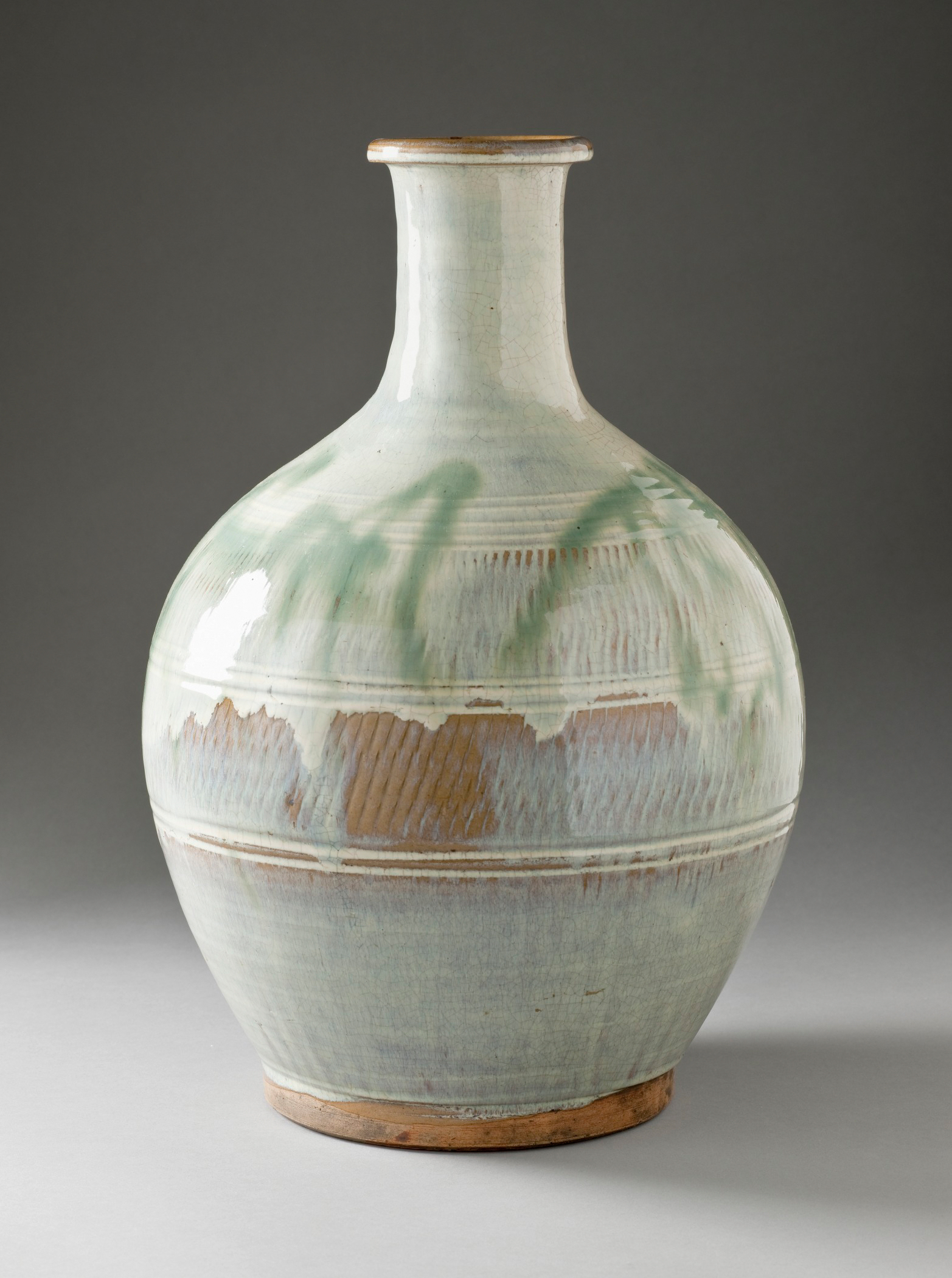
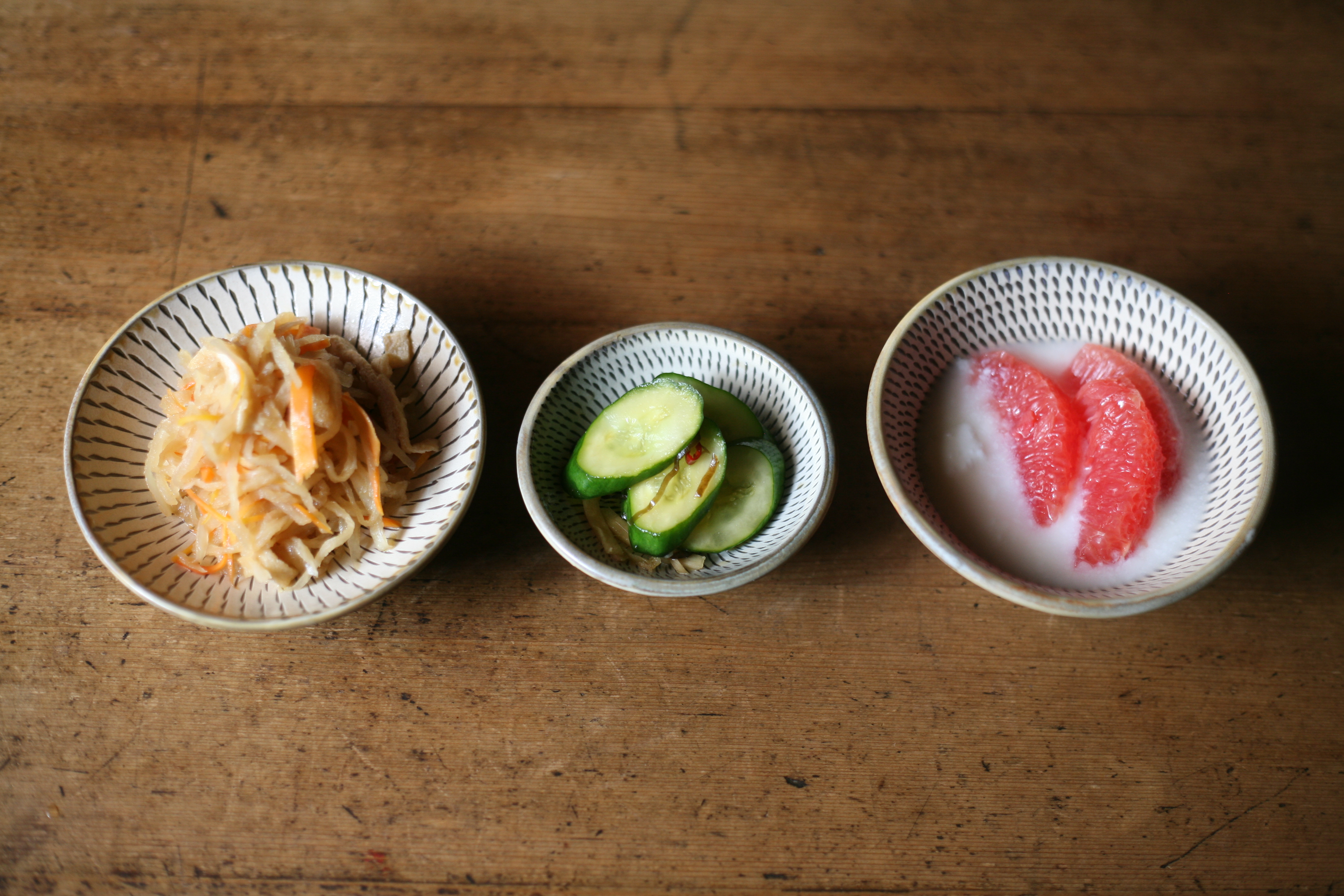
Known as folk craft pottery, "Ontayaki" is from Hita City, Oita Prefecture. It is characterized by its rustic texture and decorative techniques such as "tobikanna" (chattered carving) and "hakeme" (brush marks).
Its brother kiln and root is "Koishiwarayaki." Koishiwarayaki was opened in the early Edo period in Toho Village (formerly Koishiwara Village), Asakura District, Fukuoka Prefecture, by potters brought over from Korea. While large vessels like water jars for nearby farming households were once mainstream, the bustling traffic of people visiting Mt. Hikosan and the post-war pottery boom propelled it into a major production area for tableware.
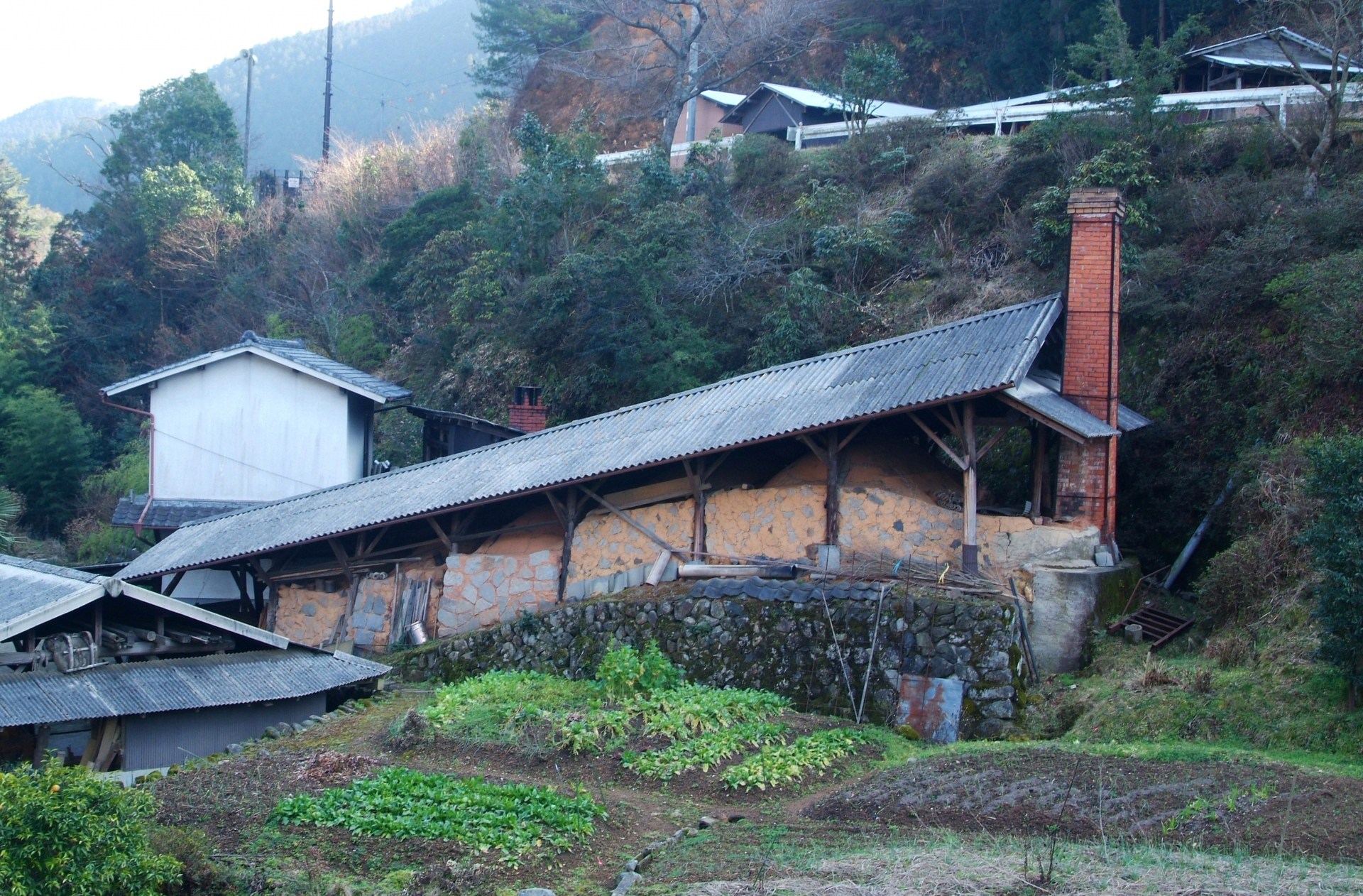
In 1705, Ontayaki was established in the Sarayama district of Gen-eimachi, Hita City, Oita Prefecture, by potters from Koishiwarayaki, such as Sanemon Yanase and Jubei Kuroki. Its name became widely known across the country when the world-renowned potter Bernard Leach stayed for three weeks in 1954 to interact with the potters, and Soetsu Yanagi, who led the Mingei (folk art) movement, praised it as the "world's best folk pottery." In 1995, it was designated as an Important Intangible Cultural Property of Japan.
Unlike other production areas, Ontayaki has thoroughly preserved traditional pottery-making methods. It consists of four families—the Kuroki, Yanase, and Sakamoto families involved in its historical origin, and the Kobukuro family, a branch of the Kuroki family. It has no apprentices or craftsmen, operating under the principle of sole inheritance where only the eldest son succeeds the kiln. Because the nearby mountain soil used as raw material tends to be dark, the contrast with the white slip (keshodo) stands out. Furthermore, because the soil is hard, scraping tools called "kanna" (planes) enter the soil at an acute angle, resulting in an even more striking finish. Ontayaki's somewhat warm coloring and exquisite geometric patterns were born precisely because of this land.
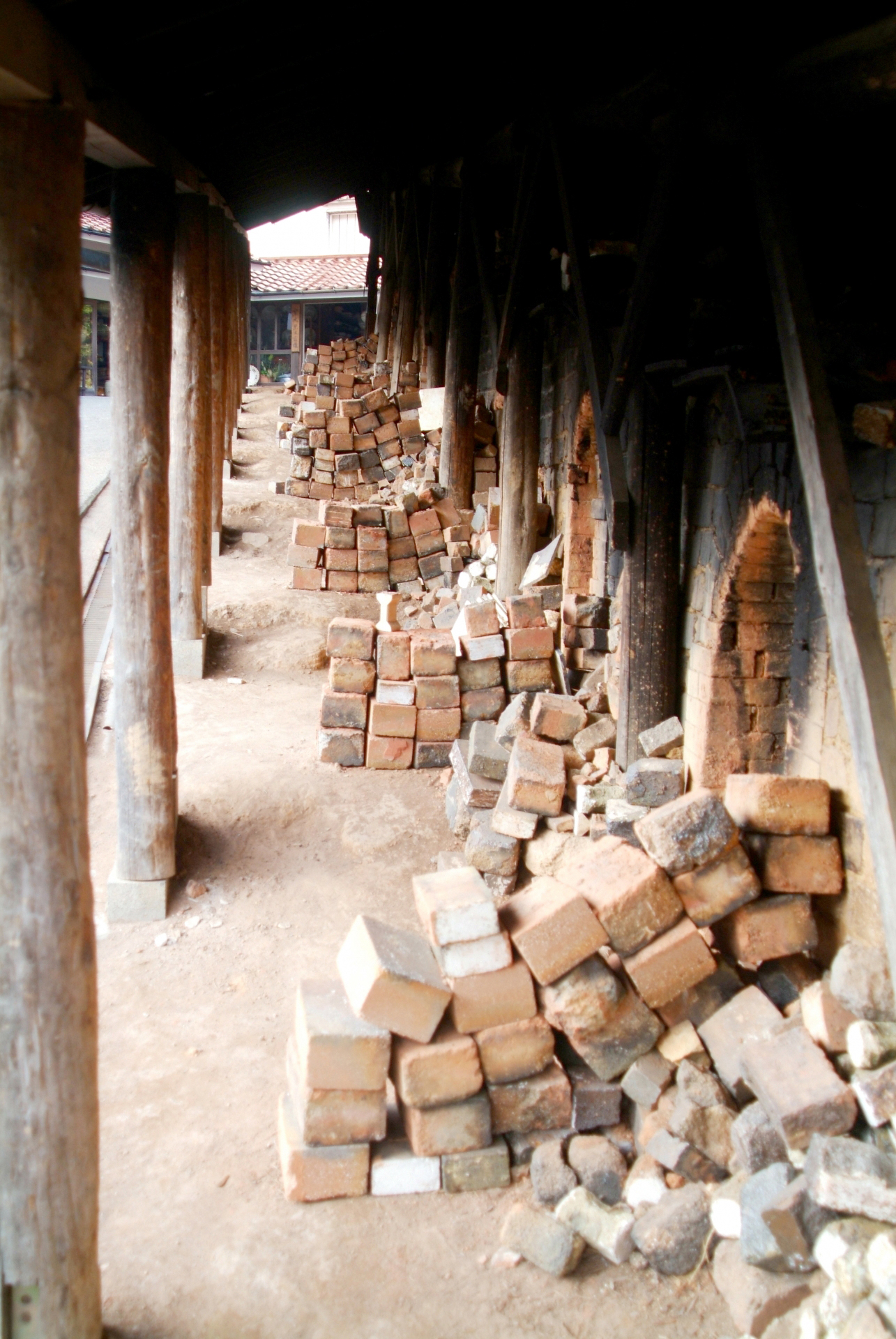
Rather than being mere ornaments, Ontayaki consists of practical, everyday utensils that closely accompany daily life. Currently, only nine kiln houses continue to protect the traditional manufacturing methods since its opening. Enhancing a wide range of Japanese and Western dishes in daily life and harmonizing with various tableware, Ontayaki will surely prove to be a reliable ally at the dining table.
Ontayaki
https://www.shokunin.com/en/onta/
Koishiwarayaki
https://www.shokunin.com/en/koishiwara/
References
https://ja.wikipedia.org/wiki/小鹿田焼
https://www.ana.co.jp/travelandlife/article/002025/
