[The History of School Lunches]
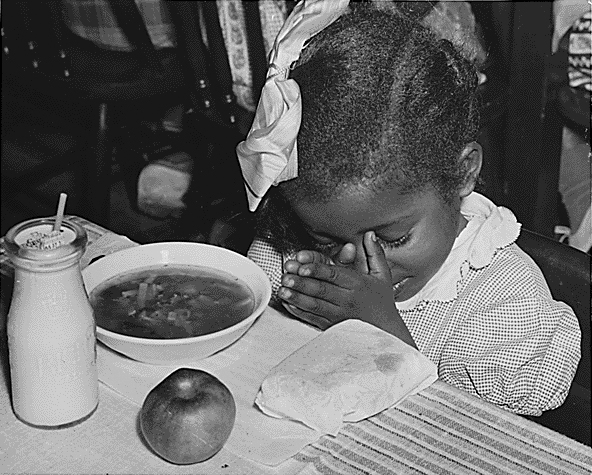
School lunches—did you have a favorite menu item? For me, the combination of soft noodles and meat sauce was hands down my favorite. Adjusting the texture of a half-thawed crepe to just the right firmness, or paying meticulous attention to the richness of milk mixed with Mil-Make. Deeply tied to childhood memories, school lunches do more than just fill little stomachs; they play a vital role in helping children learn the importance of food and develop healthy dietary habits.
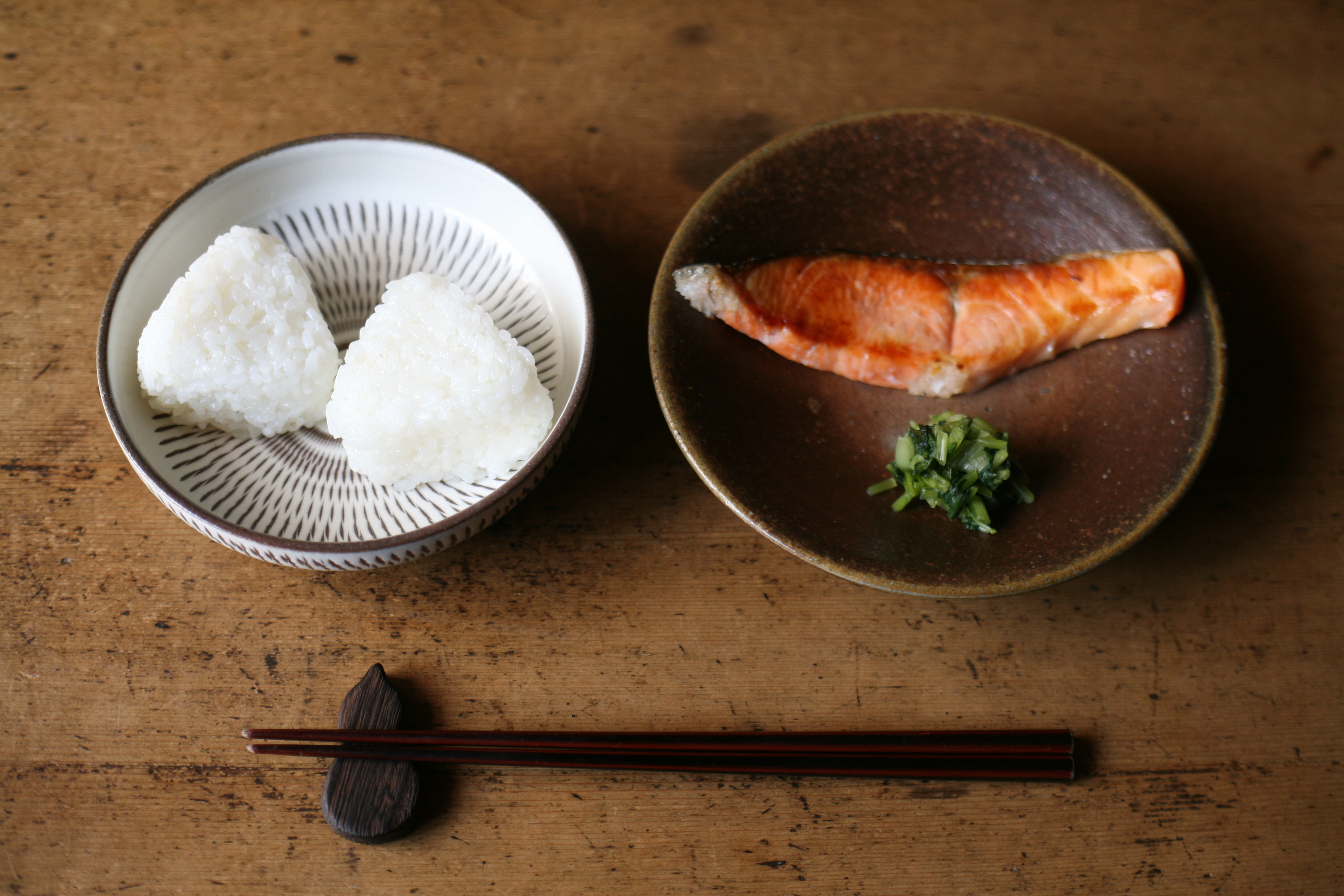
The first recorded instance of providing meals at a school in Japan was in the Aizu Domain during the Edo period. At Nisshinkan, the domain school, it was institutionalized to serve lunch to students aged 15 and older. As for school lunches in modern compulsory education, it is said to have begun in 1889 (Meiji 22) at the private Chuuai Elementary School, built within Daitoku-ji Temple in Tsuruoka Town (present-day Tsuruoka City), Yamagata Prefecture, where rice balls, salted salmon, and pickles were provided free of charge to children from financially struggling families. The ingredients and expenses were prepared using rice and money collected by Daitoku-ji's monks, who went from door to door chanting sutras. When I was an elementary school student, there was a day once a year when a menu recreating this very first school lunch was served, and precisely because it was the same simple menu as back then, I vividly remember feeling a deep appreciation for the school lunches we usually ate. Afterward, from the Taisho period through the early Showa period, school lunches were encouraged by the government, aiming to improve children's nutrition, but they were forced into a temporary suspension due to severe food shortages.
After World War II in 1946 (Showa 21), school lunches resumed thanks to relief supplies from overseas, and by 1954 (Showa 29), the School Lunch Act was enacted, establishing a legal framework. From this point on, the lunch scene changed like a mirror reflecting the times. The mid-Showa period featured coppé bread and powdered milk as staples, with "whale tatsuta-age" (deep-fried marinated whale) also appearing as a precious source of protein. Eventually, powdered milk was replaced by cold milk, and foods like fried bread and curry and rice gained popularity. In 1976 (Showa 51), "rice-based school lunches" were officially introduced, marking the beginning of a return to traditional Japanese dietary habits.
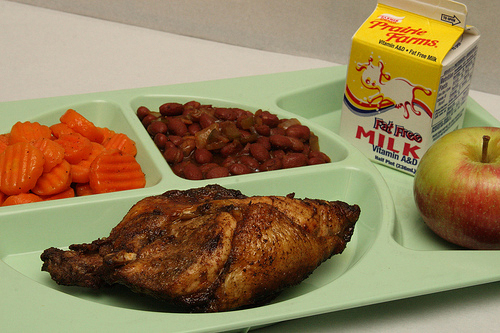
Entering the Heisei era, following the burst of the bubble economy, menus evolved to become even more diverse. Menus from this period added crispy "fried chicken" and "wakame seaweed rice," "chili con carne" made by stewing soybeans in a tomato sauce, and for dessert, "fruit punch (with nata de coco)." Furthermore, event foods like "Hinamatsuri jelly" and "Tanabata jelly"—which began to spread in the late 1980s alongside advances in logistics and freezing technology—gained a steady following as seasonal staple menus with the spread of food education in the Heisei era. Today, school lunches have greatly expanded their role from mere "nutritional replenishment" to the "promotion of food education." Opportunities to deepen understanding of traditional culture through "local production for local consumption" using local agricultural products and regional cuisine, as well as to experience different cultures by incorporating world dishes, have also been on the rise.
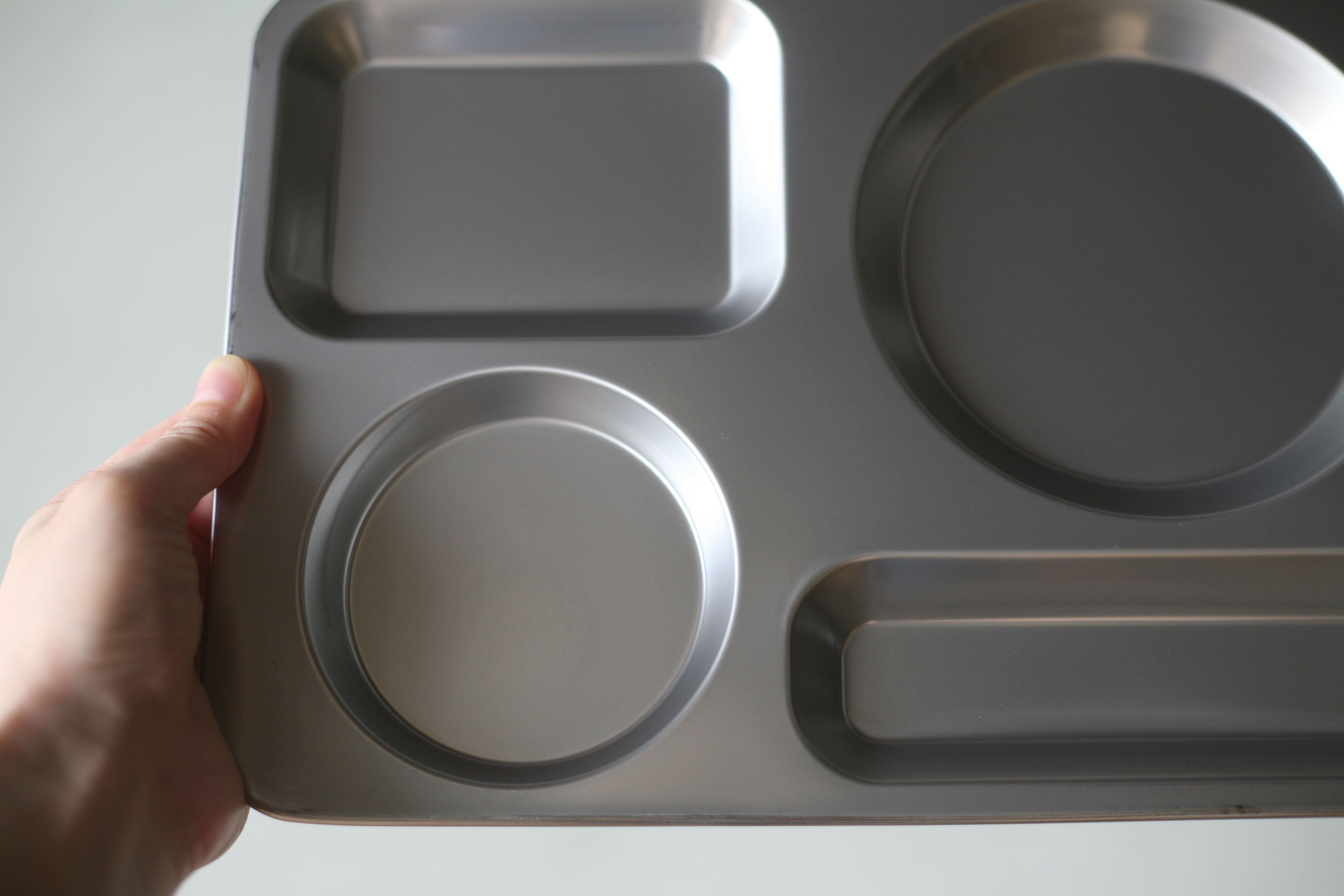
Additionally, while it is common in Japanese school lunches to arrange bowls and plates individually, in our neighboring country of South Korea, stainless steel trays known as "geupsikpan" are widely used. Directly plating rice, soup, kimchi, and several other side dishes into their respective compartments, this style can be said to be a rational and functional school lunch culture unique to South Korea, where dishes often feature ingredients with strong colors and aromas, such as chili peppers and garlic.
Beginning with the Meiji-era "rice balls, salted salmon, and pickles," Japanese school lunches have continued to support the minds and bodies of children while responding to the demands of the times and society. In that time we casually looked forward to every day, there has always been—across every era—a tender-hearted desire to nurture us to be healthy and emotionally enriched.
Yamaichi's Triangular Onigiri Mold S
https://www.shokunin.com/en/yamaichi/onigiri.html
Koishiwara ware's Tobikanna Gosunzara
https://www.shokunin.com/en/koishiwara/
Ichiyougama's Plate
https://www.shokunin.com/en/ichiyou/plate.html
Appi Urushi Studio's Chopsticks
https://www.shokunin.com/en/appi/hashi.html
Iwamoto Kiyoshi Shoten's Chopstick Rest
https://www.shokunin.com/en/iwamoto/hashioki.html
Glocal Standard Products's Cafe Tray
https://www.shokunin.com/en/glocal/cafetray.html
References
https://www.maff.go.jp/j/pr/aff/2006/food01.html
https://www.zenkyuren.jp/lunch/
https://ja.wikipedia.org/wiki/%E6%97%A5%E6%9C%AC%E3%81%AE%E5%AD%A6%E6%A0%A1%E7%B5%A6%E9%A3%9F
https://www.nakanishi.co.jp/useful/20240529134337.html
