[The "SHOCHU" Cultivated by Kyushu's Lifestyle]
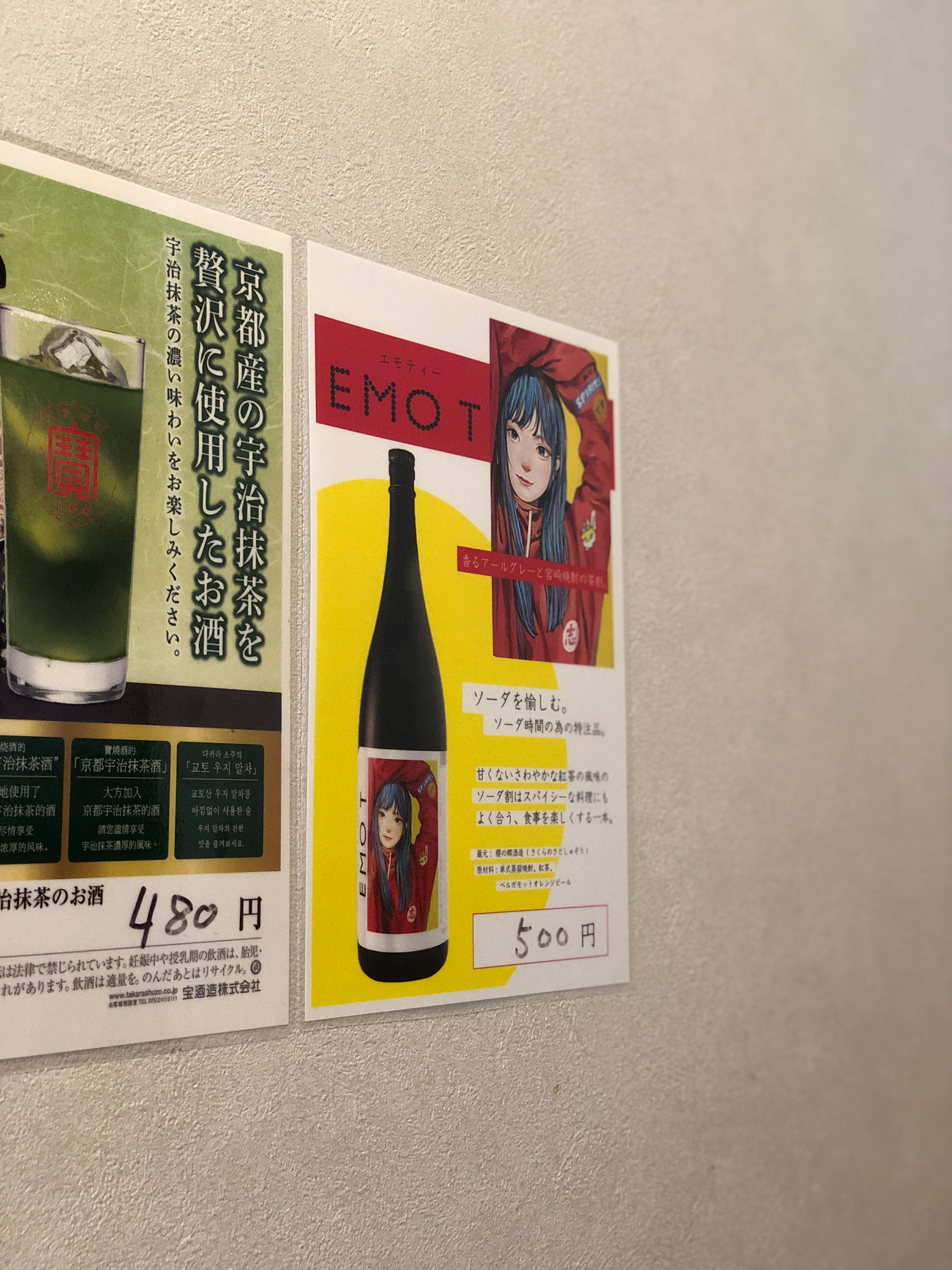
Have you noticed an increase in opportunities to see stylishly designed shochu at liquor stores and restaurants lately? With some offering the enjoyment of fruit or floral aromas, and being served mixed with soda or as cocktails, different ways of enjoying it compared to the past seem to be proposed. Now known overseas as "SHOCHU," Japan's traditional sake brewing—encompassing sake, shochu, and awamori—was registered as a UNESCO Intangible Cultural Heritage in December 2024.
Many people probably think of Kyushu first as a shochu-producing region. Although there are several types such as sweet potato, barley, and rice, why has it been so deeply loved in Kyushu and handed down as an everyday drink?
There are various theories about how shochu was introduced to Japan, but a prevailing theory suggests that distillation technology brought from Asia to the Ryukyu Kingdom around the 15th century subsequently crossed to Satsuma (present-day Kagoshima Prefecture) and spread throughout Japan. By fusing distillation technology with the climate, natural features, and crops suited to each land, a shochu culture unique to Kyushu was nurtured.
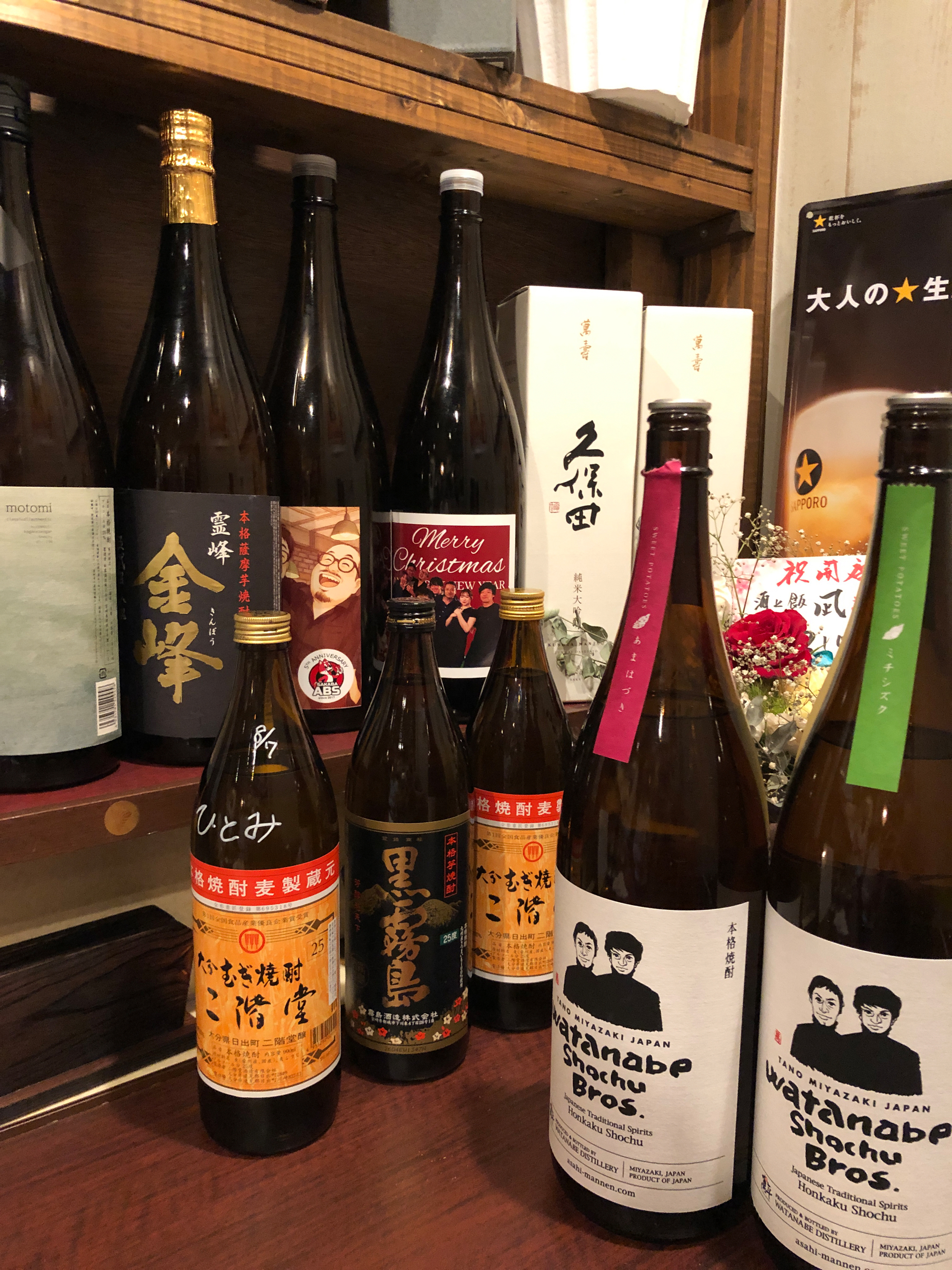
Kyushu stretches long from north to south, with climates and crops varying by region. Southern Kyushu features Shirasu plateaus formed by volcanic eruptions, which were not suited for rice cultivation. On the other hand, because it was suited for the cultivation of sweet potatoes—which spread as a crop that could be grown even under harsh conditions—sweet potatoes became a food source supporting people's lives and eventually grew to be an indispensable ingredient for shochu. In northern Kyushu, barley shochu spread because barley cultivation was thriving, while in the Hitoyoshi and Kuma regions of Kumamoto Prefecture, rice shochu was handed down against the backdrop of rich water and rice cultivation. Incidentally, the Ueno Building, where our Wakamatsu Showroom is located, also appears in a commercial for "Nikaido," the Oita barley shochu that can be said to be the originator of barley shochu. Even among Kyushu shochus, personalities differ because shochu is a liquor born from the bounty of the land. And every single shochu has closely accompanied daily dining tables.
While Japanese sake is frequently spoken of in connection with celebrations and seasonal events, Kyushu's shochu is something much closer to everyday life. I remember gazing at the dining table as a child, watching how my father's way of drinking shochu changed with the seasons—hot water in winter, ice cubes on hot days. Rather than celebrating a special day, it was a drink meant to quietly wrap up the day together with dinner.
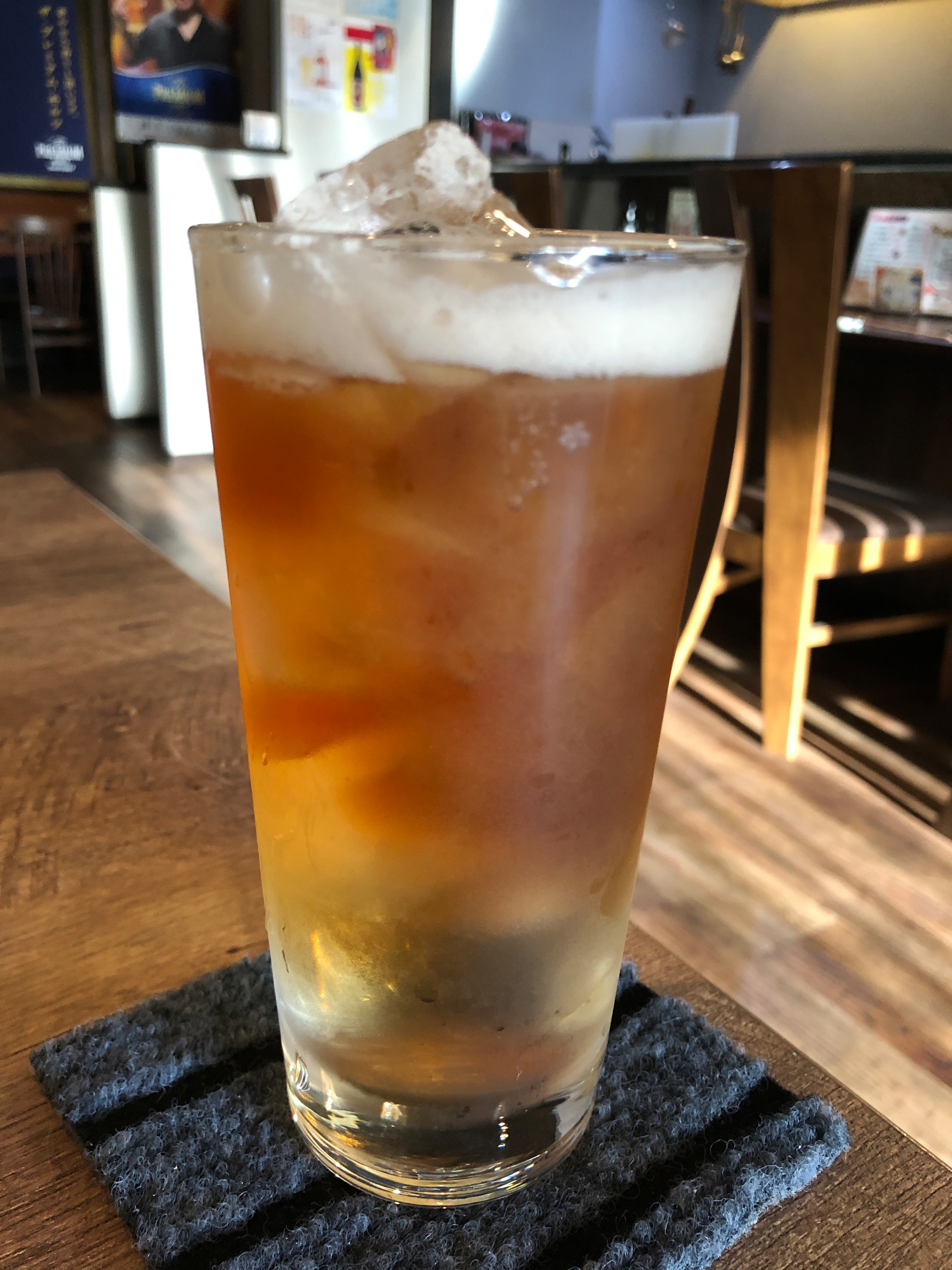
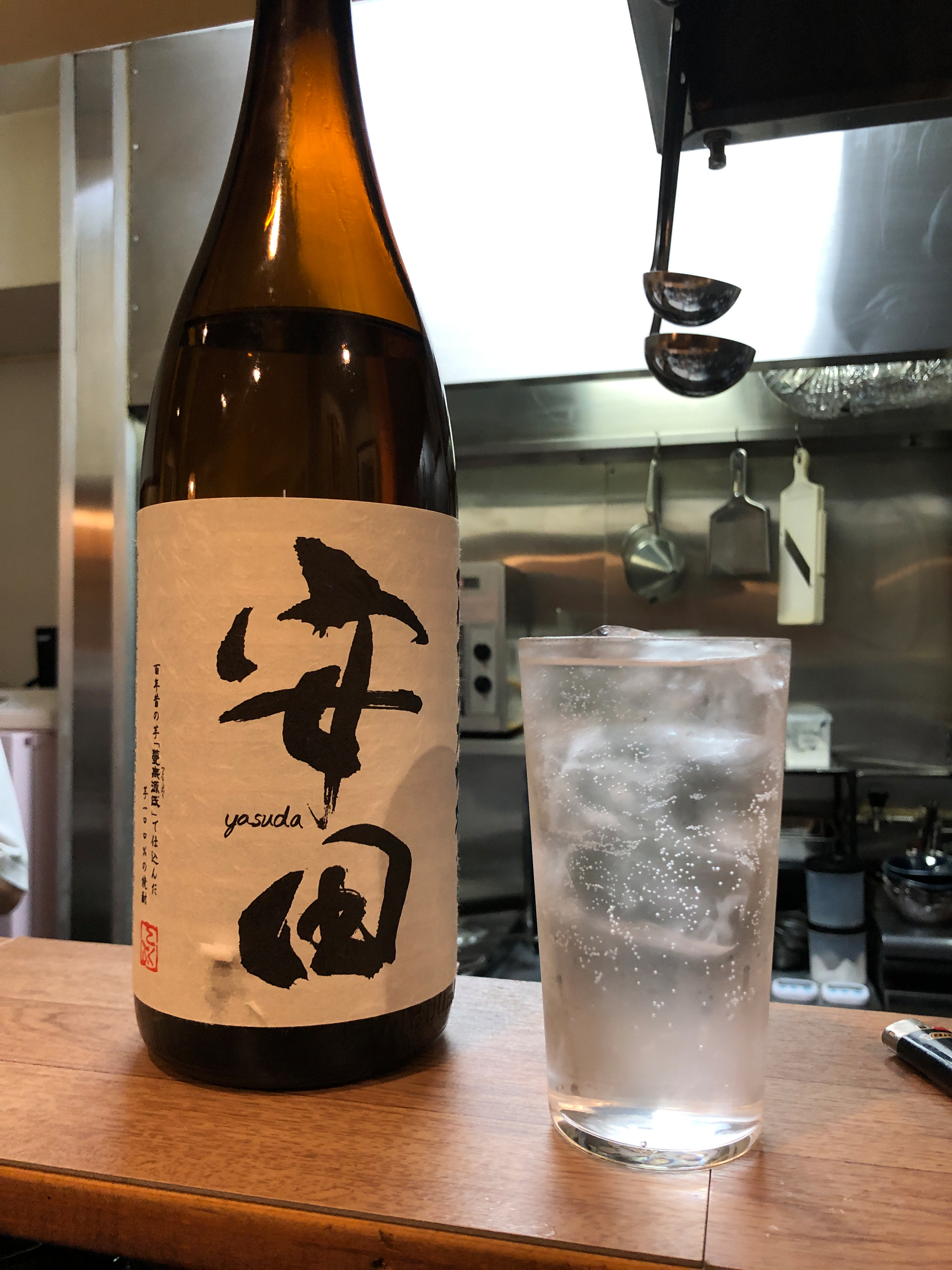
In fact, "shochu" is a seasonal word for summer. Long cherished as a way to ward off summer heat, feeling coolness through a cold glass is one of the scenes of a Japanese summer. Being able to enjoy it freely according to dishes, climate, and mood—such as expanding the aroma with hot water mixes, enjoying mellowness with water mixes, or savoring it refreshingly on the rocks or mixed with soda—can be said to be the charm of shochu.
When the way of drinking changes, the joy of choosing vessels that match it also arises. If you are to enjoy it in this season of lingering oppressive heat, glass vessels with a refreshing transparency and moist, cold tin tumblers seem fitting.
Glass makes aromas easy to perceive, and its clear appearance and the sound of ice chiming pleasantly direct a summer drink. Tin, which has high thermal conductivity, accentuates the refreshing feel of chilled liquor, allowing you to enjoy a soft mouthfeel and unique texture. The time spent selecting a vessel to match the day's drink is also a rich moment unique to shochu.
Nowadays, centered around Japanese restaurants and bars overseas, it has come to be enjoyed in free styles, widely known as "SHOCHU." Just as highballs made with whisky have established themselves on Japanese dining tables, the food culture of savoring shochu, a distilled spirit, alongside meals may spread even further throughout the world from now on. At the end of the day, how about spending a leisurely time with your preferred shochu and carefully chosen vessels?
Hirota Glass's Edo Glass "Karai"
https://www.shokunin.com/en/hirota/karai.html
Osaka Suzuki's Tumbler Berg
https://www.shokunin.com/en/osaka/berg.html
Wakamatsu Showroom
https://www.shokunin.com/en/showroom/wakamatsu.html
Chisou Shokudou Oono
https://www.instagram.com/chisoushokudou/
Sake to Meshi Nagi
https://www.instagram.com/sake_meshi.nagi/
References
https://www.nta.go.jp/taxes/sake/koujikin/index.htm
https://www.asahibeer.co.jp/enjoy/shochu/basic/knowledge/history.html
https://www.hamadasyuzou.co.jp/denbee/column/202501.html
https://www.honkakushochu-awamori.jp/about-shochu-and-awamori/shochu-ingredients/
https://kigosai.sub.jp/001/archives/4871
https://www.jetro.go.jp/industry/foods/item/pickup/shochu.html
https://nikaido-shuzo.co.jp/library/cm2000.html
