[Coldness Is the Root of All Ills]
With soaring temperatures day after day, we spend all day in air-conditioned rooms and instinctively reach for cold drinks when out and about. Precisely because it is summer, "body chill" is something we need to be mindful of. There is an old saying that coldness is the root of all ills, and from a modern perspective, this makes a great deal of sense. A drop in body temperature causes blood circulation throughout the body to stagnate, making it difficult for oxygen and essential nutrients to reach cells while also slowing down the elimination of waste products. This can lead to a host of adverse systemic effects, ranging from cold hands and feet, swelling, and stiff shoulders to a weakened immune system that makes you more susceptible to colds and weakened digestive function caused by a chilled stomach. Furthermore, poor blood circulation and autonomic nervous system imbalances are known to affect mental well-being, sometimes triggering a lack of motivation and chronic fatigue. What kind of daily adjustments should we make to protect ourselves from a chill that threatens not only physical health but mental health as well?
The lifestyle habits unique to modern society cannot be ignored as a background factor causing body chill. Excessive air conditioning in the summer and drastic temperature differences between indoors and outdoors exhaust the autonomic nervous system, which is responsible for regulating body temperature, while light clothing directly chills the surface of the body. Additionally, consuming too many cold beverages robs the body of heat from the inside. Furthermore, a decrease in muscle mass due to a lack of exercise weakens the body's ability to generate heat, requiring equal caution. In particular, women with lower muscle mass and modern individuals living desk-bound lifestyles tend to lack sufficient heat production, placing them in an environment where chill easily becomes chronic. Many people likely feel a vague sense of chill in their bodies on a regular basis. When these factors are compounded by lifestyle disruptions such as stress and lack of sleep, blood vessels constrict, risking a vicious cycle where chill invites further discomfort.
To break this vicious cycle of chill, it is important to incorporate a little daily awareness and self-care, piling up "habits of not chilling" and "care that warms." It is effective to review eating habits that cool the body, consciously consume warming ingredients such as ginger and root vegetables, and adopt a bathing habit of soaking in lukewarm water to promote blood circulation. Additionally, warming the three areas where major blood vessels gather—the neck, abdomen, and ankles—and moving the lower body muscles through moderate exercise are essential for raising core body temperature and building a body that generates heat. Diligently practicing daily self-care and conditioning your constitution to be resistant to chill is the shortcut to preventing various ailments and maintaining a healthy lifestyle.
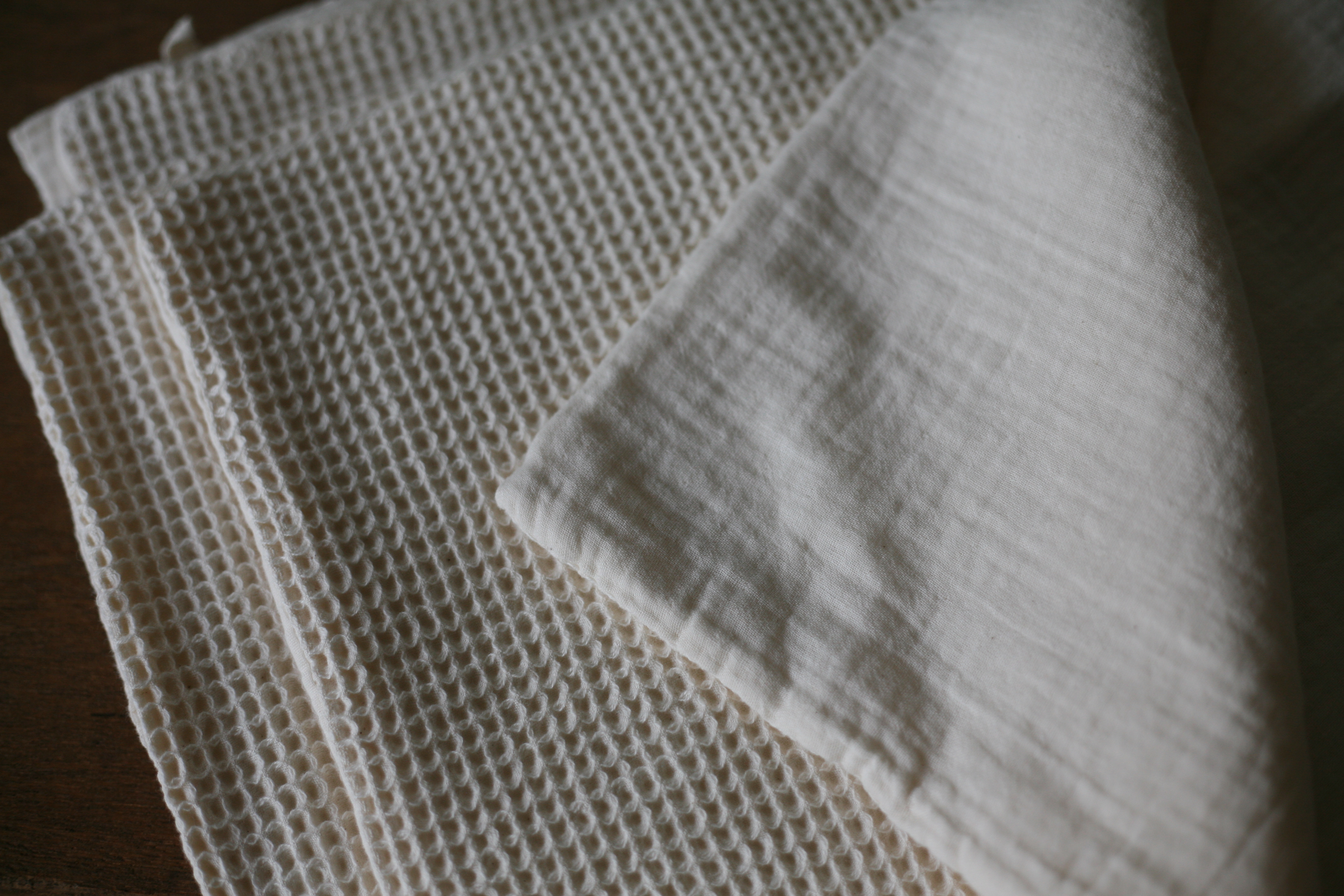
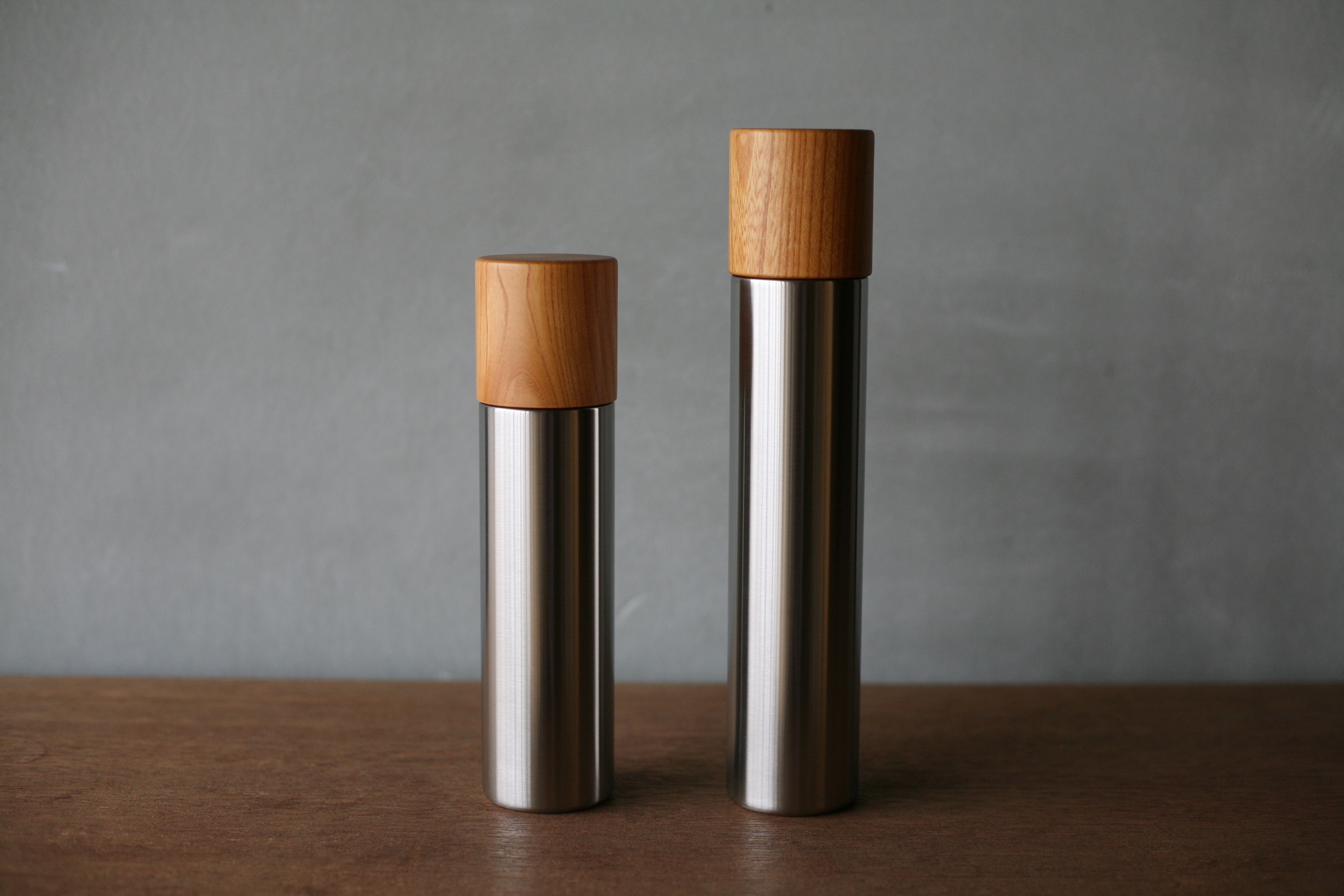
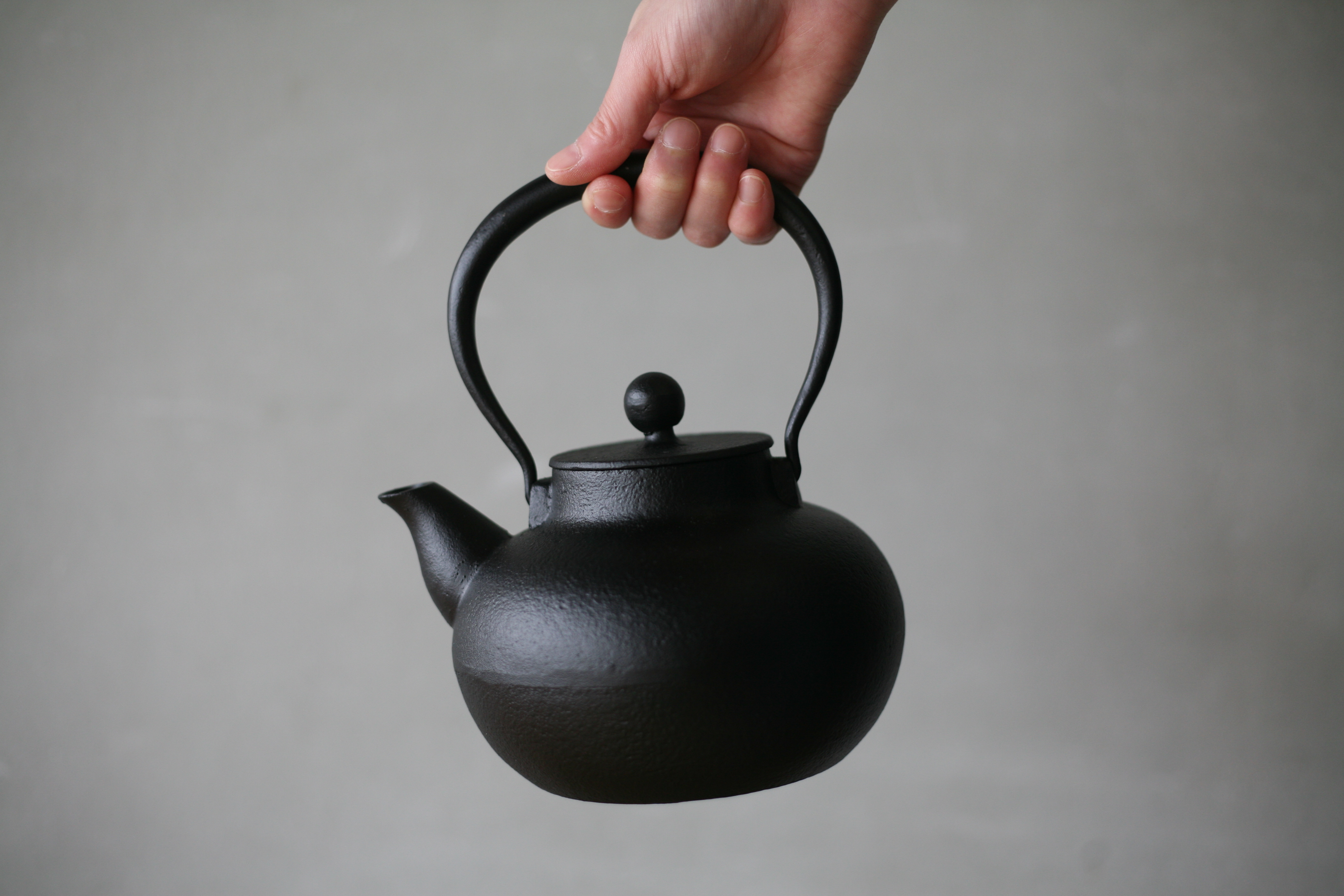
If you want to seamlessly incorporate warming care into your daily life, making high-quality, comforting daily goods your partners is also effective. For example, during desk work or relaxing times, Ao's Blanket is recommended, as it wraps the lower body in a pleasant texture and prevents chill originating from the feet. Furthermore, for hydration on the go, the Bottle by MokuNeji is useful, featuring a wood-grain cup that fits comfortably in the hand and allows you to carry warm tea with you. And in the mornings or evenings, you can use the iron kettle by Rikucho Ogasawara to carefully boil water and drink warm water ("sayu") that gently warms you from the inside. In fact, there are surprisingly many coldness countermeasures you can take in everyday life. Why not start a comfortable habit of warming your body this summer alongside your favorite tools?
Ao's Blanket
https://www.shokunin.com/en/ao/blanket.html
MokuNeji's Bottle
https://www.shokunin.com/en/mokuneji/bottle.html
Rikucho Ogasawara's Tetsubin
https://www.shokunin.com/en/rikucho/tetsubin.html
References
https://www.yomeishu.co.jp/health/4267/
https://mews.hosp.mie-u.ac.jp/health/advice/2418/
https://yakuyomi.jp/knowledge_learning/chinese_medicine/01_105/
