

[Craft Beauty Blooming on Walls: The History and Revival of Kinkarakawashi]
Back in 17th-century Europe, the walls of palaces and grand cathedrals were adorned in a lavish, three-dimensional splendor known as kinkarakawa, or gold-embossed leather. Originating from Spanish techniques where patterns like arabesques and birds were pressed onto leather using molds and colored with gold paint, these luxury wallcoverings made their way to Japan via Dutch traders in the mid-17th century during the early Edo period, quickly capturing widespread popularity.
However, because Japan was under a policy of national isolation at the time, imported leather was extremely scarce and difficult to obtain. This prompted craftsmen to develop an alternative using washi (Japanese traditional paper). Completed in Ise Province in 1684, this innovative creation marked the birth of kinkarakawashi, also known as kinkarakawakami.
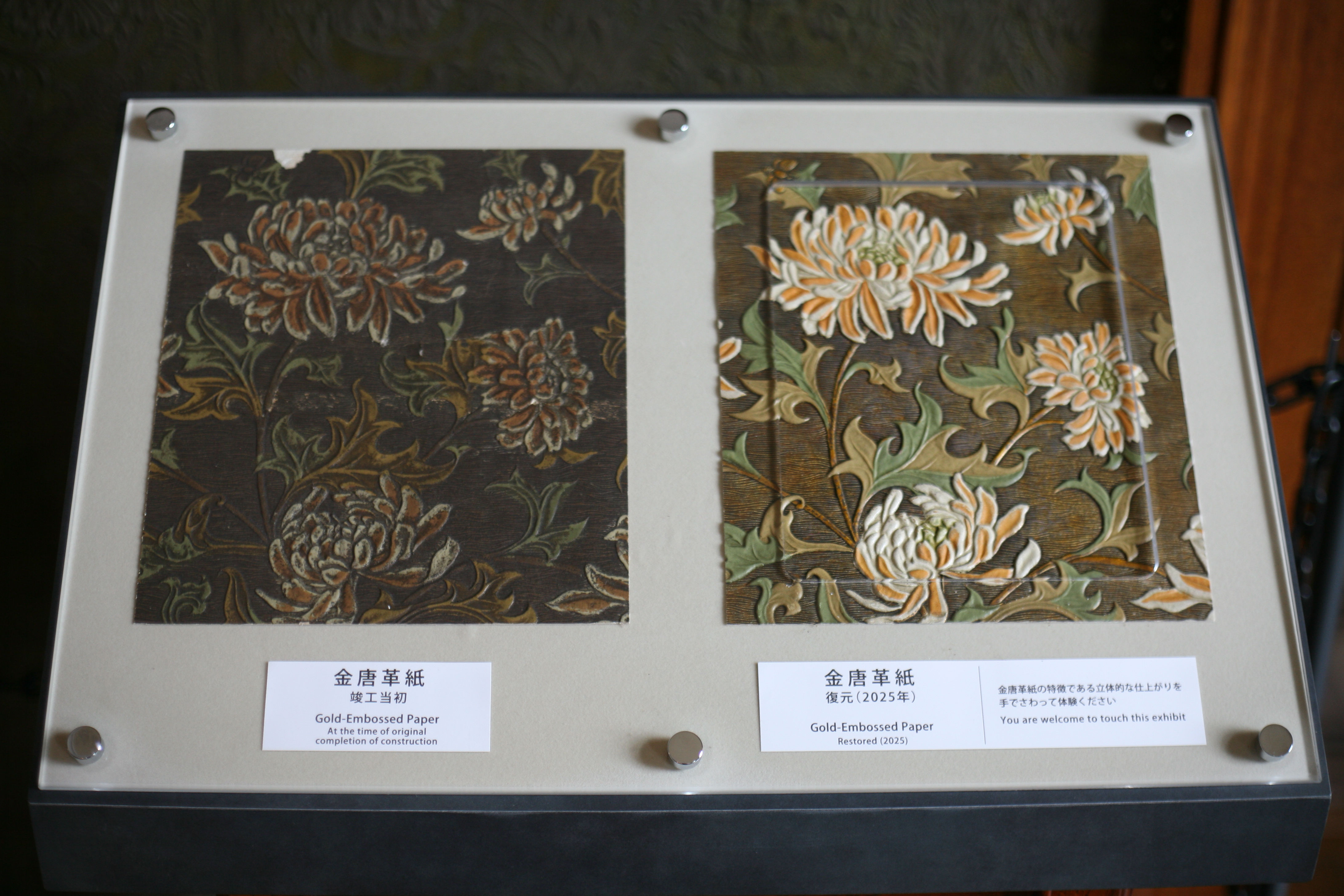
Craftsmen applied metallic foil—primarily tin foil—onto washi, embossed three-dimensional patterns using intricately carved wooden blocks, and hand-painted lacquer and pigments to create brilliant, golden wallpapers. Born in the Edo period, this technique flourished as an exported craft alongside the wave of Meiji modernization, earning high praise in Western countries for its extraordinary beauty. It even found a home in the UK's Buckingham Palace, playing a crucial role as an exported craft that showcased Japan's technological prowess to the world.
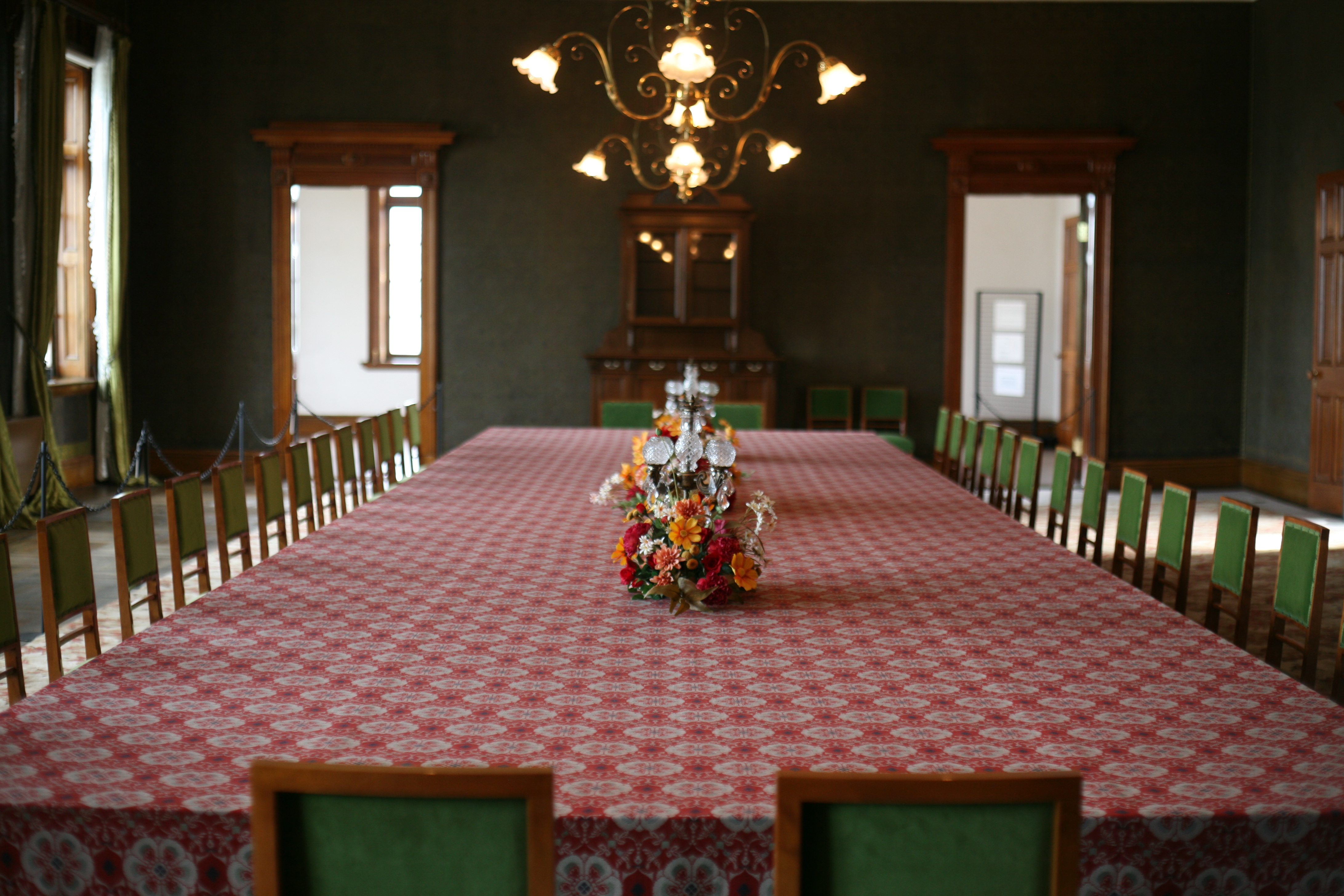
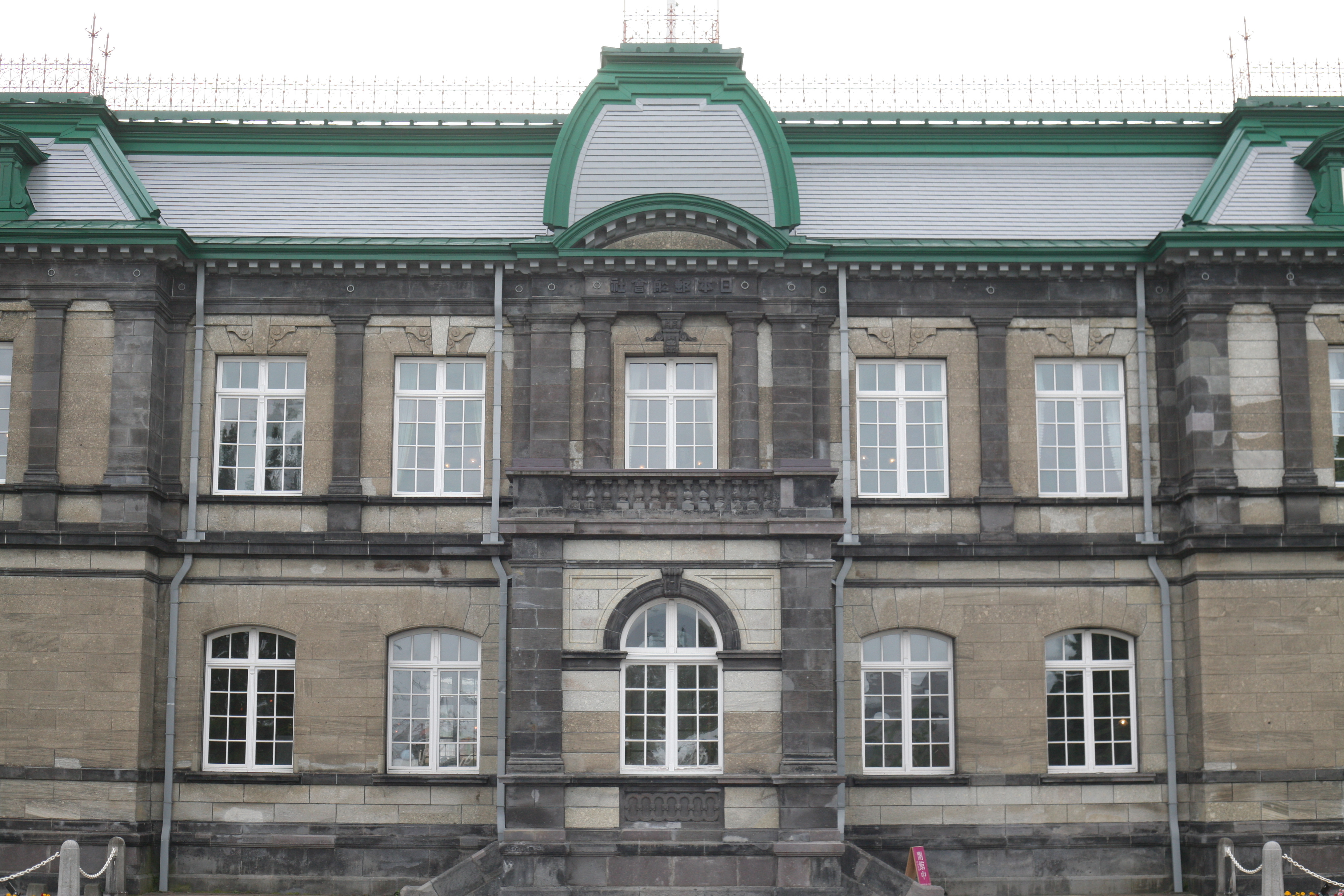
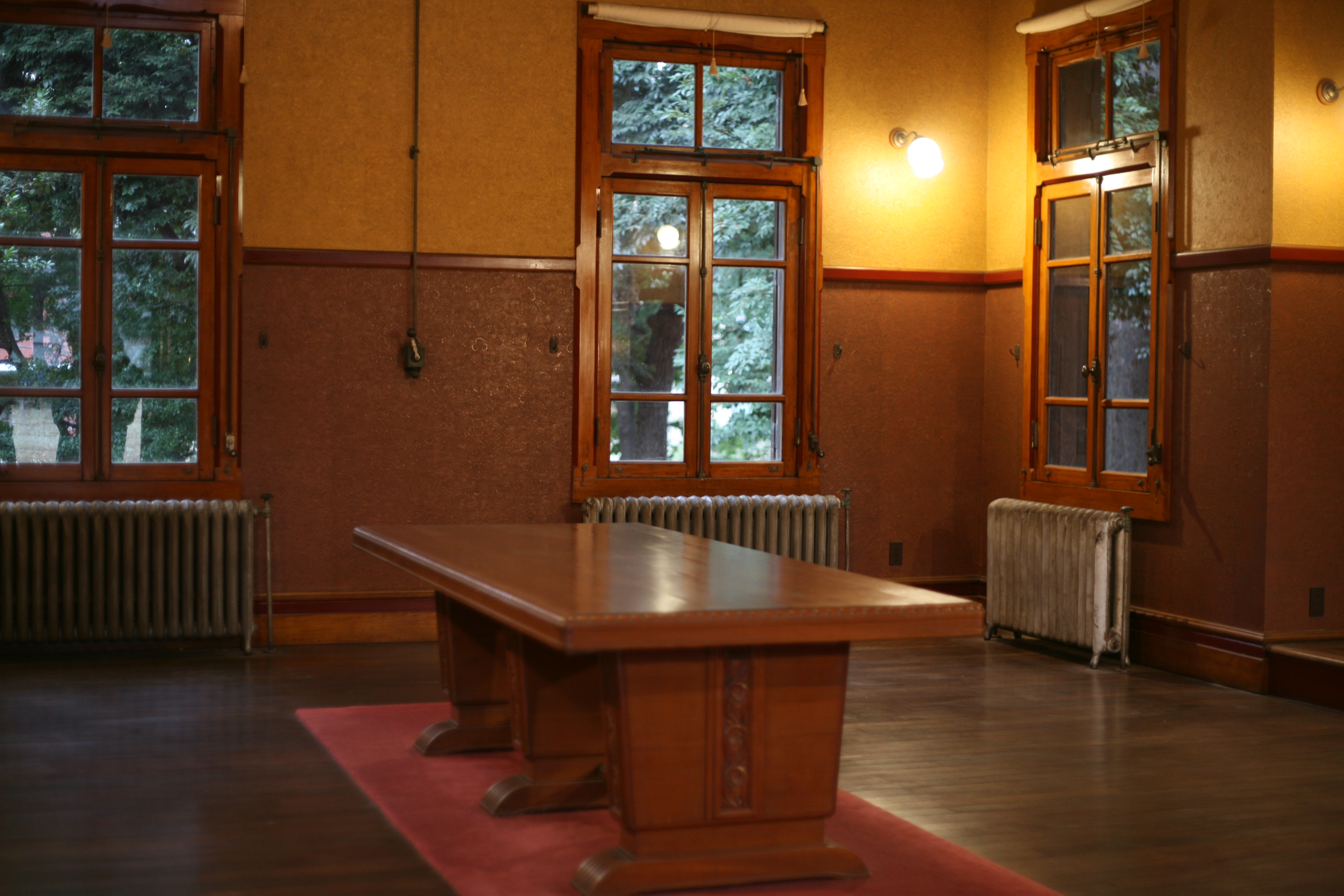
From the Rokumeikan to prominent modern Japanese buildings constructed between the Meiji and Taisho periods, many were elaborately decorated with kinkarakawashi. At the Former Nippon Yusen Kaisha Otaru Branch in Otaru, Hokkaido—a city that prospered greatly as a northern international trading port—gorgeous kinkarakawashi lined the walls of the second-floor VIP and conference rooms. This decorative wallpaper beautifully accentuates the interior of the stately stone architecture, serving as a precious historical heritage that conveys Otaru's striking prosperity and elegance to the present day. Similarly, at the Kyu-Iwasaki-tei Gardens in Taito, Tokyo, designed by Josiah Conder, kinkarakawashi showcasing exquisite artisan craftsmanship adorns the western-style mansion, creating a space that symbolizes the wealth and cultural heights of modern Japan.
Yet, as architectural styles and interior design trends shifted with the changing times, the demand for kinkarakawashi gradually declined due to the immense labor and time required for its production. Through the tumultuous Taisho and Showa eras, the manufacturing techniques completely died out by the mid-Showa period. Although numerous postwar attempts were made to recreate it, continuous setbacks led the pinnacle of modern architectural washi craft to be known as the "phantom wallpaper." Eager to resurrect this lost art for the modern era, Hisashi Ueda established the Kinkarakami Institute in 1985. Based on the few remaining documents and materials, Ueda thoroughly researched the materials, techniques, and tools, and through countless trials, errors, and technical validations, successfully restored and revived the long-lost traditional manufacturing method of kinkarakawashi with his own unique techniques.
This uniquely Japanese traditional art, thus resurrected, plays a vital role in restoration and preservation projects aimed at passing down important cultural properties to the future. In the preservation and restoration projects of the Kyu-Iwasaki-tei Gardens and the Former Nippon Yusen Kaisha Otaru Branch, kinkarakawashi painstakingly recreated by the Kinkarakami Institute with faithful adherence to the original designs and colors was applied, restoring their glorious appearance from the time of their creation. These modern revival efforts go beyond merely replicating past techniques; they serve as a crucial bridge, accurately conveying the value of historical buildings to posterity. Overcoming the threat of extinction through the passion and pride of artisans, kinkarakawashi continues to emit its timeless luster while telling the depth and potential of Japanese traditional crafts to the future.
Showroom Information
https://www.shokunin.com/en/showroom/
Former Nippon Yusen Kaisha Otaru Branch (Article)
https://en.shokunin.com/archives/55895617.html
Former Iwasaki Residence Garden (Article)
https://en.shokunin.com/archives/54994341.html
References
https://ja.wikipedia.org/wiki/%E9%87%91%E5%94%90%E9%9D%A9%E7%B4%99
https://kinkarakami.com/about/
https://kyu-nippon-yusen-otaru.jp/about#about-2
https://www.tokyo-park.or.jp/park/kyu-iwasaki-tei/index.html#highLight
