October 2026

S__7315468

S__7315469

S__7315470

S__7315471

S__7315472

S__7315473

S__7315474

[Philosopher's Path and Honen-in Temple]

As autumn gradually deepens in Kyoto, it brings a season that makes you want to walk endlessly. The route from "Philosopher's Path" to "Honen-in Temple" is one of my favorite walking courses.

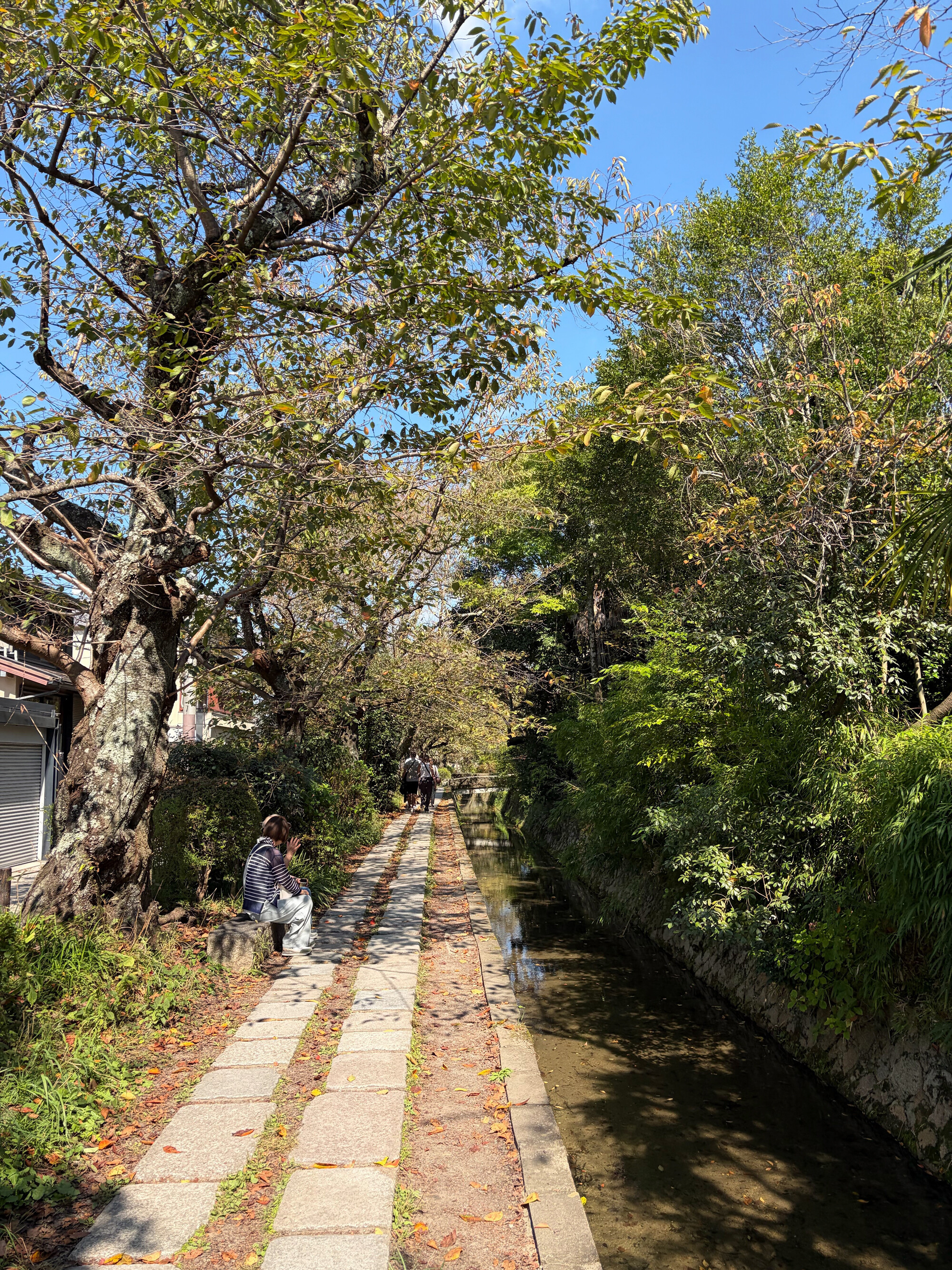
Philosopher's Path is a walking path stretching about 1.5 km, connecting Ginkakuji Temple and Nanzenji Temple from north to south. It was named after Kitaro Nishida, an early 20th-century philosopher and professor at Kyoto University, who walked this path every morning immersed in deep thought. Lined with Kansetsu cherry trees along the Lake Biwa Canal that flows alongside the path, it is also famous as a renowned cherry blossom spot.

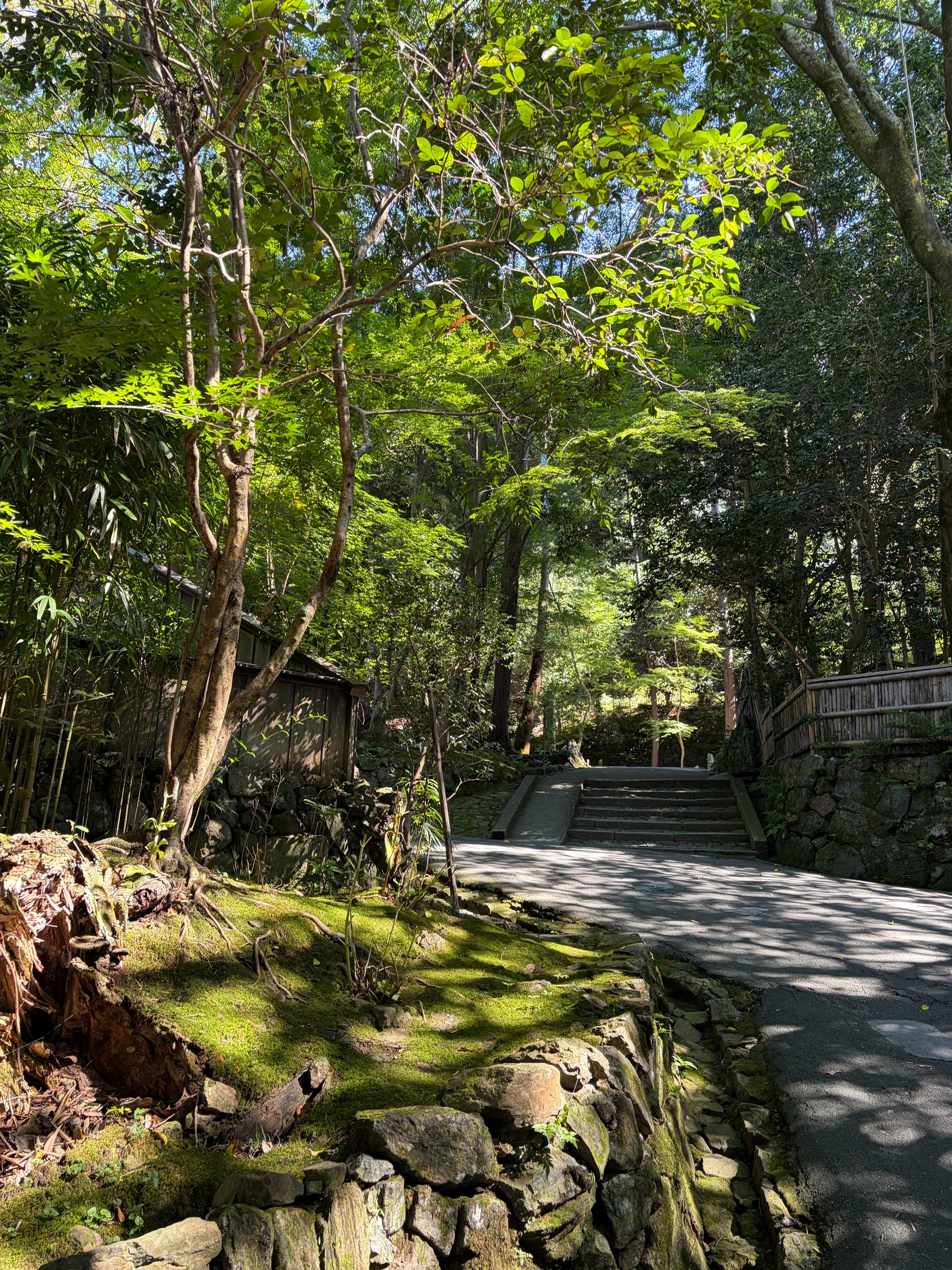
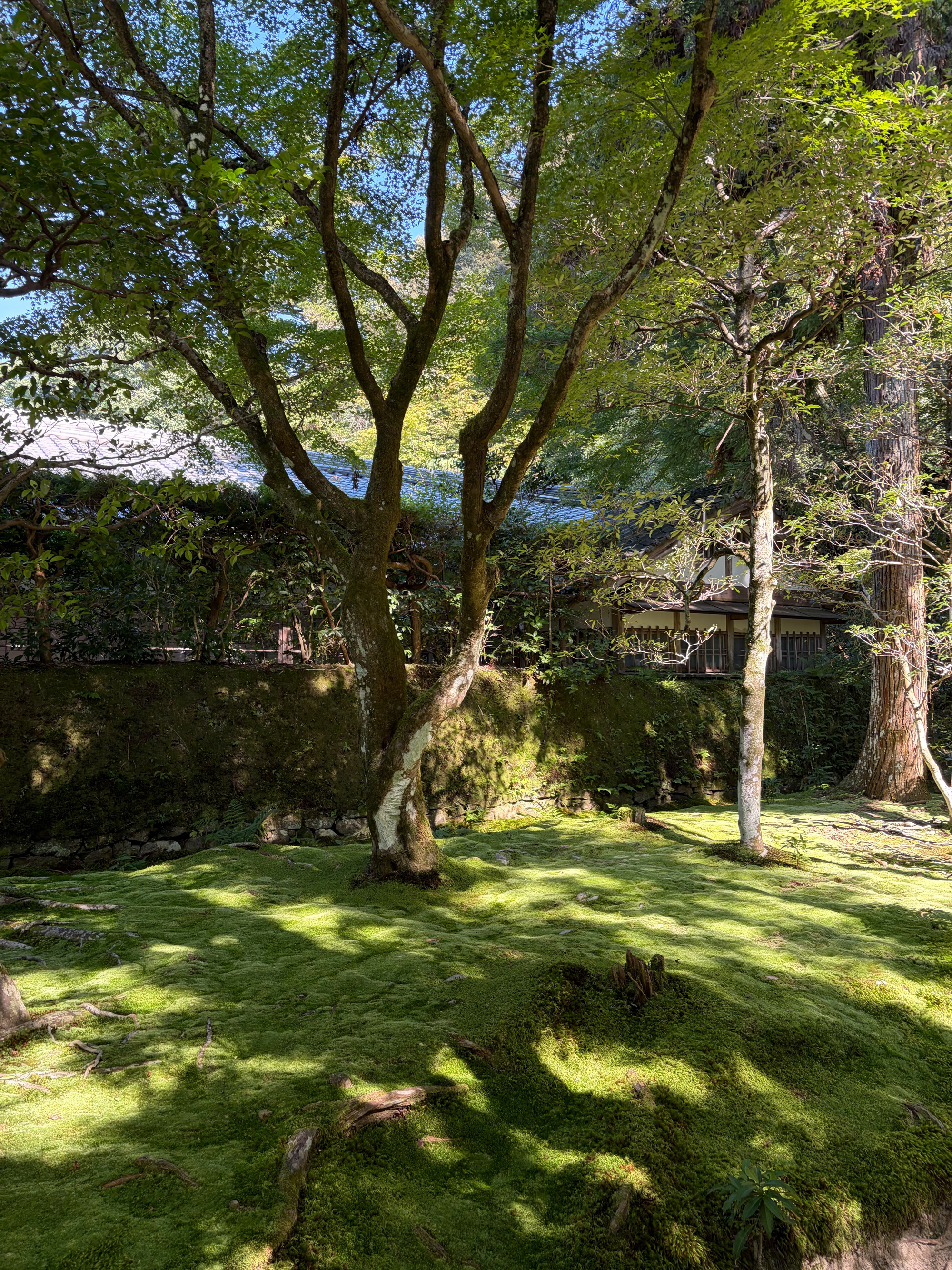
Walking north along Philosopher's Path while listening to the gentle murmuring of the stream, turning right midway and going slightly up the slope brings you to Honen-in Temple, standing quietly in serenity. The moment you step inside, the air feels as though it has completely transformed, filled with a refreshing stillness. You can visit the grounds free of charge to appreciate the thatched-roof main gate and the vibrant green moss illuminated by beautiful dappled sunlight.

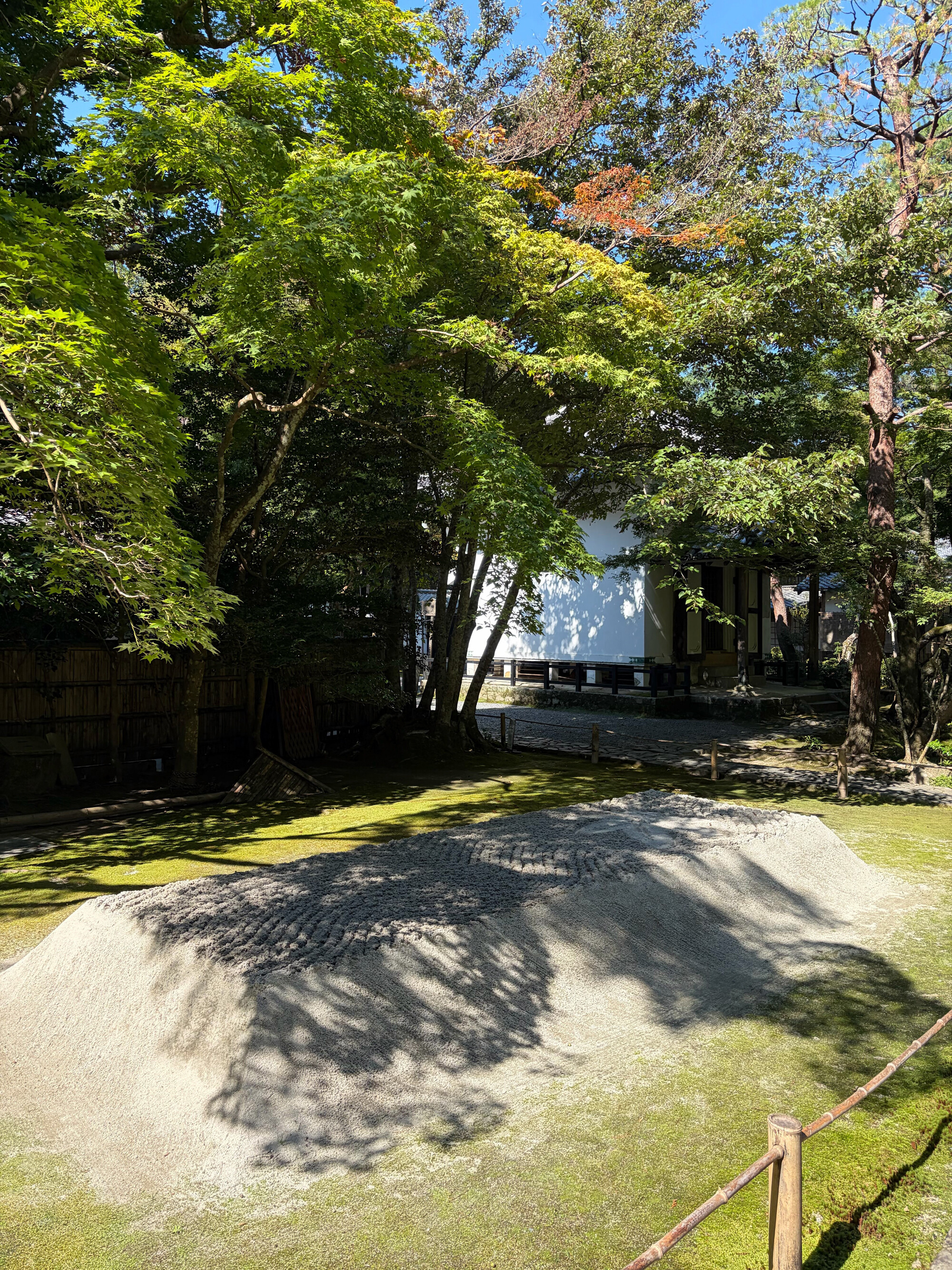
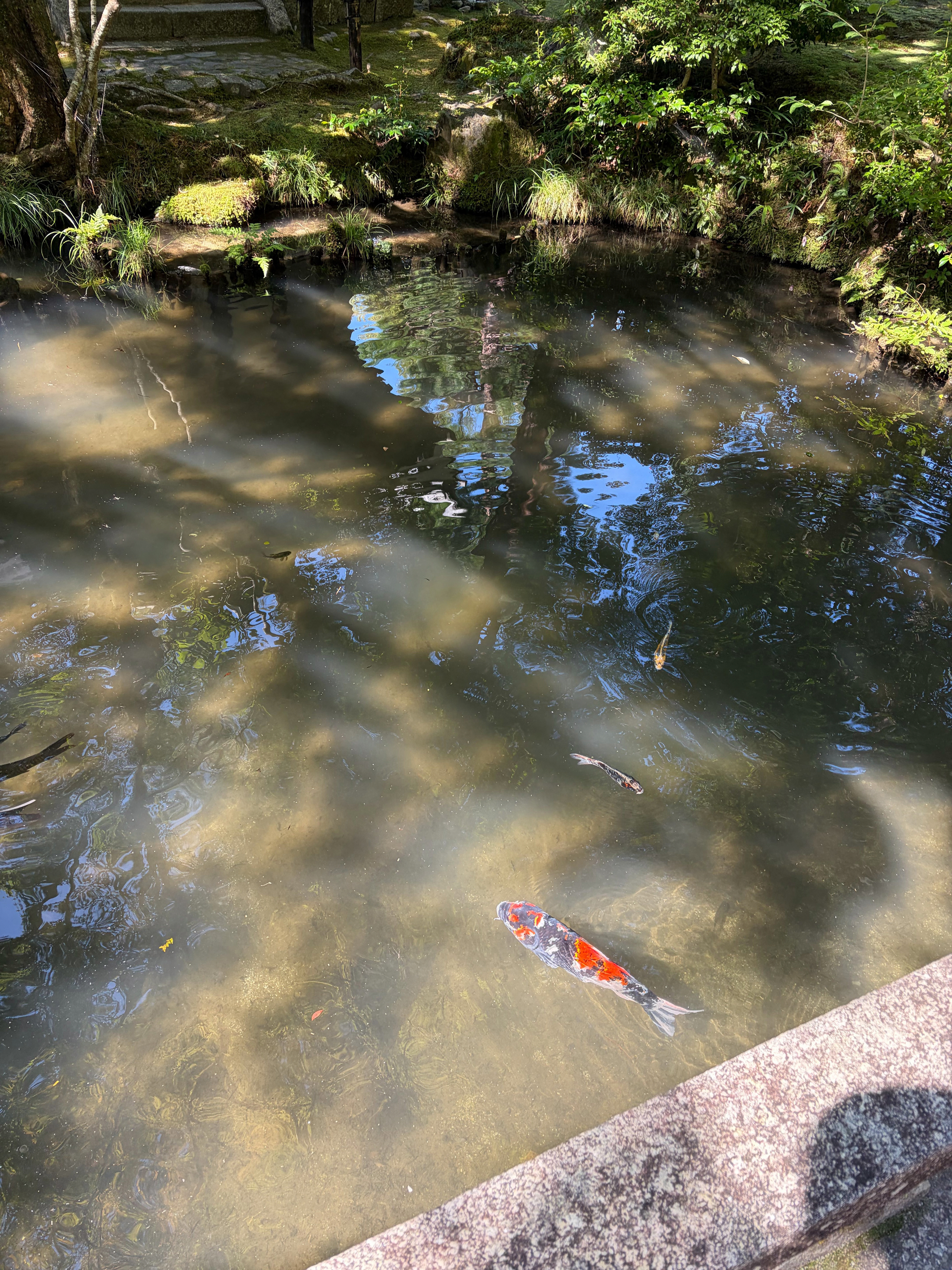
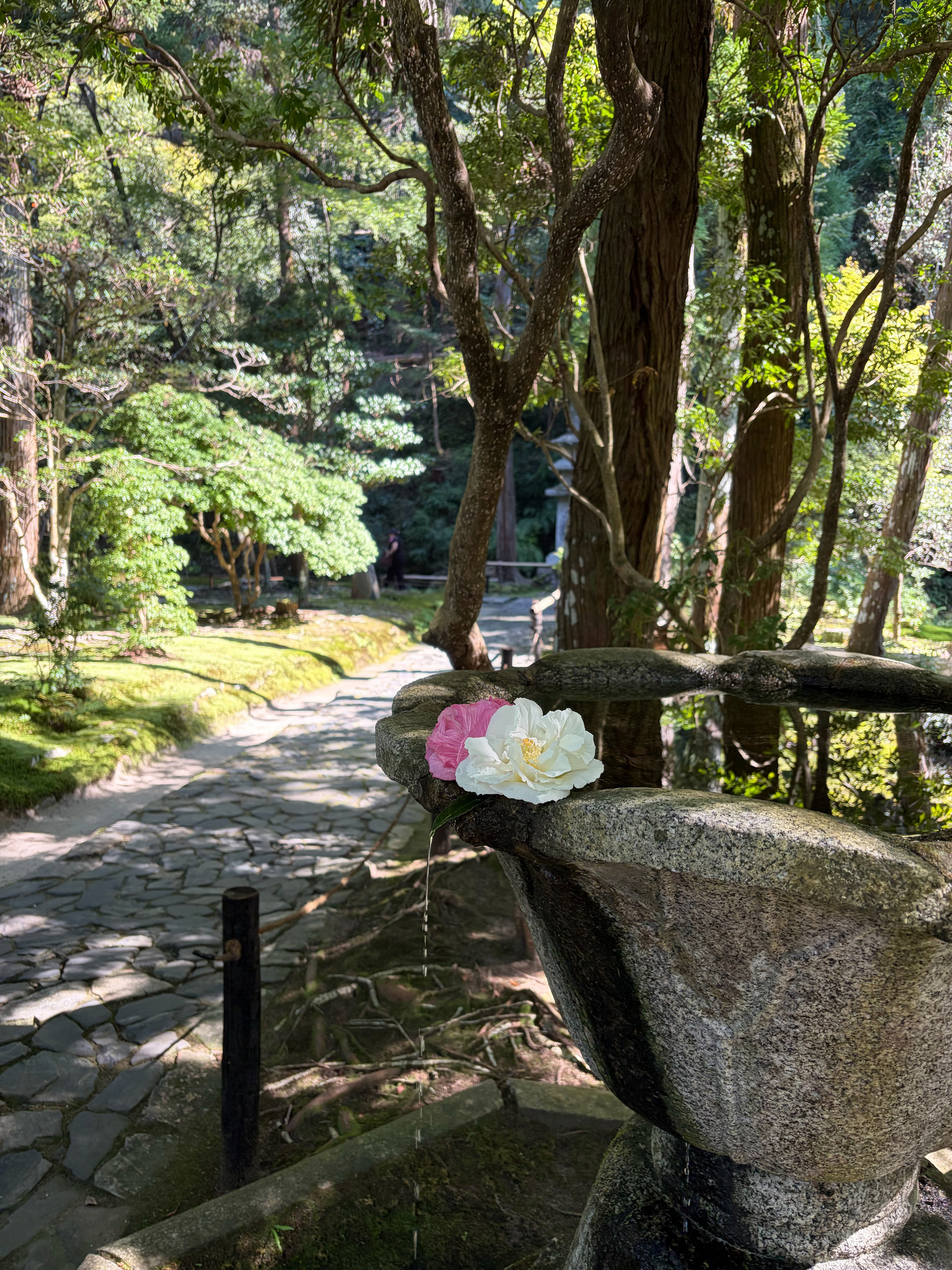
Upon entering the main gate, you will find white mounds of sand known as "Byakusadan" on both sides. Patterns representing water are drawn on top of the sand mounds, and seeing a different pattern on each visit is one of the small pleasures of visiting. In the Hojo Garden on the north side of the main hall, "Zenki-sui," a famous spring water known as one of Kyoto's celebrated waters, gushes forth. Walking while gazing at the moss-covered garden and the Hojo Pond, where colorful koi fish swim leisurely, makes your head and heart feel completely clear and refreshed. Honen-in Temple is also the final resting place of literary master Junichiro Tanizaki and philosopher Shuzo Kuki, known for "The Structure of 'Iki'." Surrounded by such beautiful nature and tranquil air, this feels entirely natural and fitting.

Honen-in Temple is a place where you can spend a peaceful time whenever you visit. Precisely because it is slightly off the peak cherry blossom or autumn foliage seasons right now, this walking course combined with Philosopher's Path is one I highly recommend taking a leisurely stroll through.

Honen-in Temple
https://maps.app.goo.gl/Vf1sGRvEVxG4L7HP6
Showroom Information
https://www.shokunin.com/en/showroom/

References
https://ja.kyoto.travel/tourism/single01.php?category_id=7&tourism_id=461
https://ja.kyoto.travel/tourism/single01.php?category_id=8&tourism_id=2684
https://souda-kyoto.jp/blog/00495.html
1

2

3

4

[Enjoying Delicious Coffee with the Waisuke Dripper]

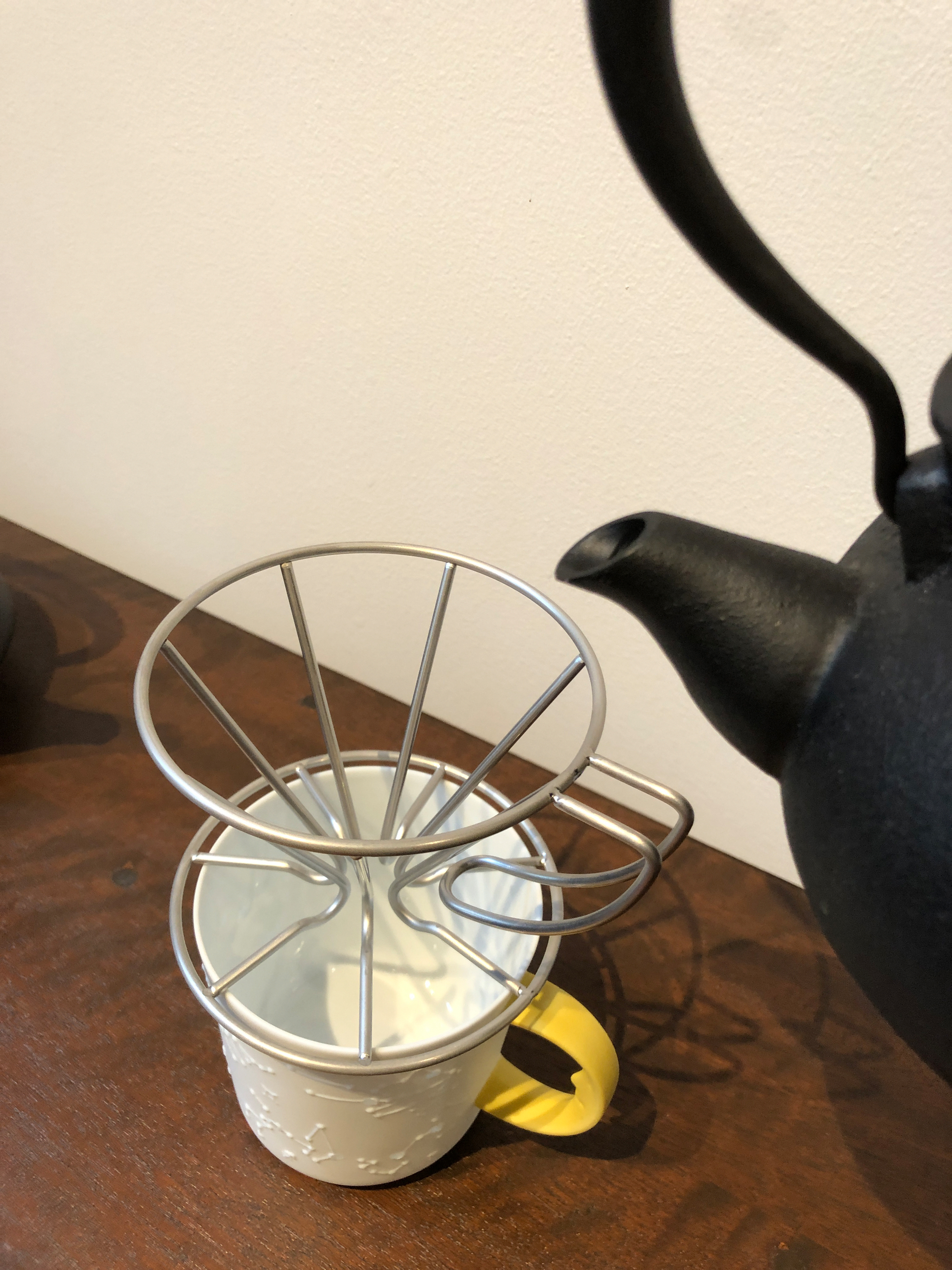
I love my morning coffee. Usually, I leave it to my coffee maker and reserve hand drippers for relaxed weekend mornings. However, ever since I encountered FD Style's Waisuke Dripper, I have completely fallen in love with its exceptional user-friendliness. There are several reasons why the proportion of hand-brewed coffee at home has increased so dramatically.

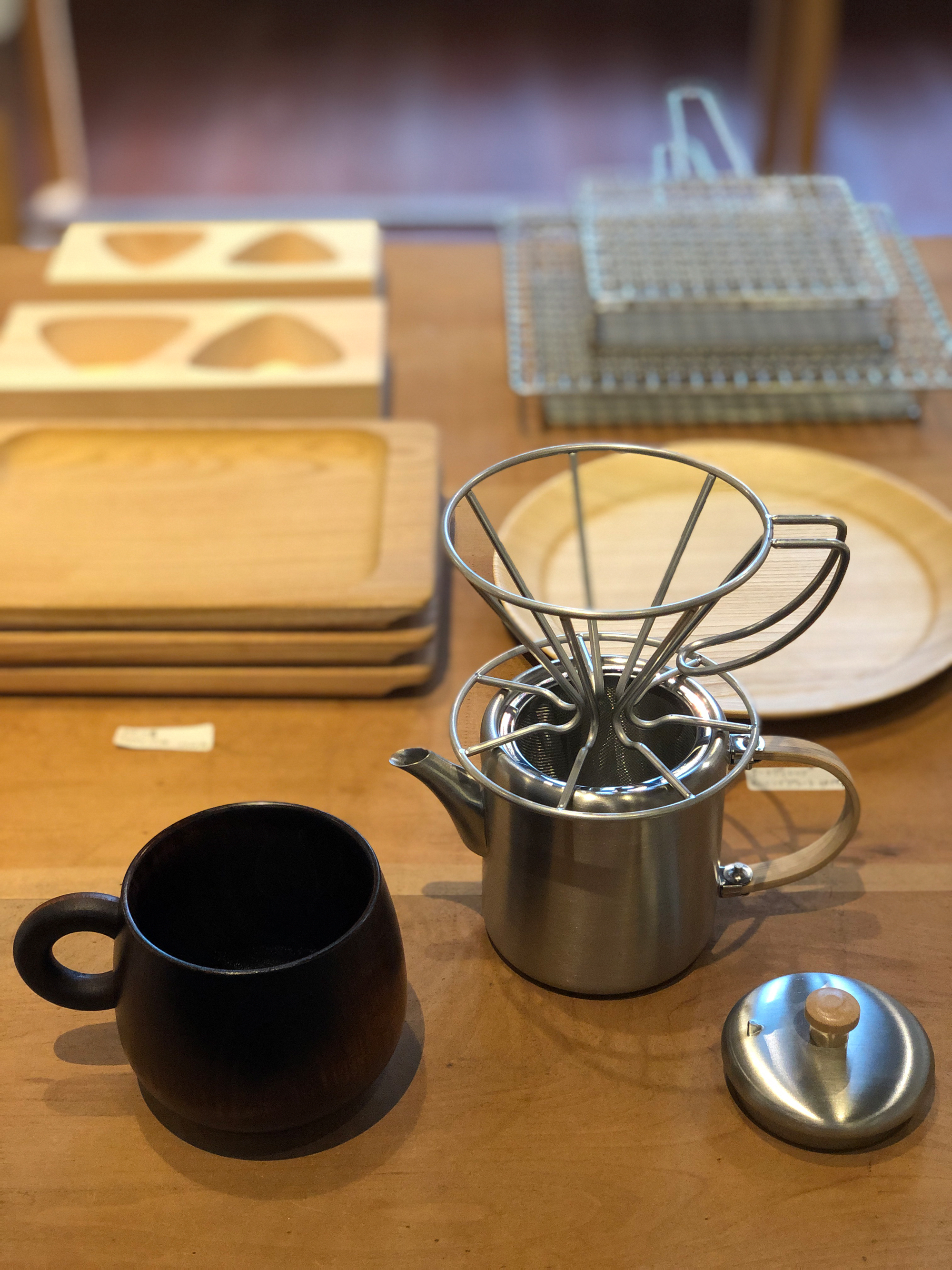
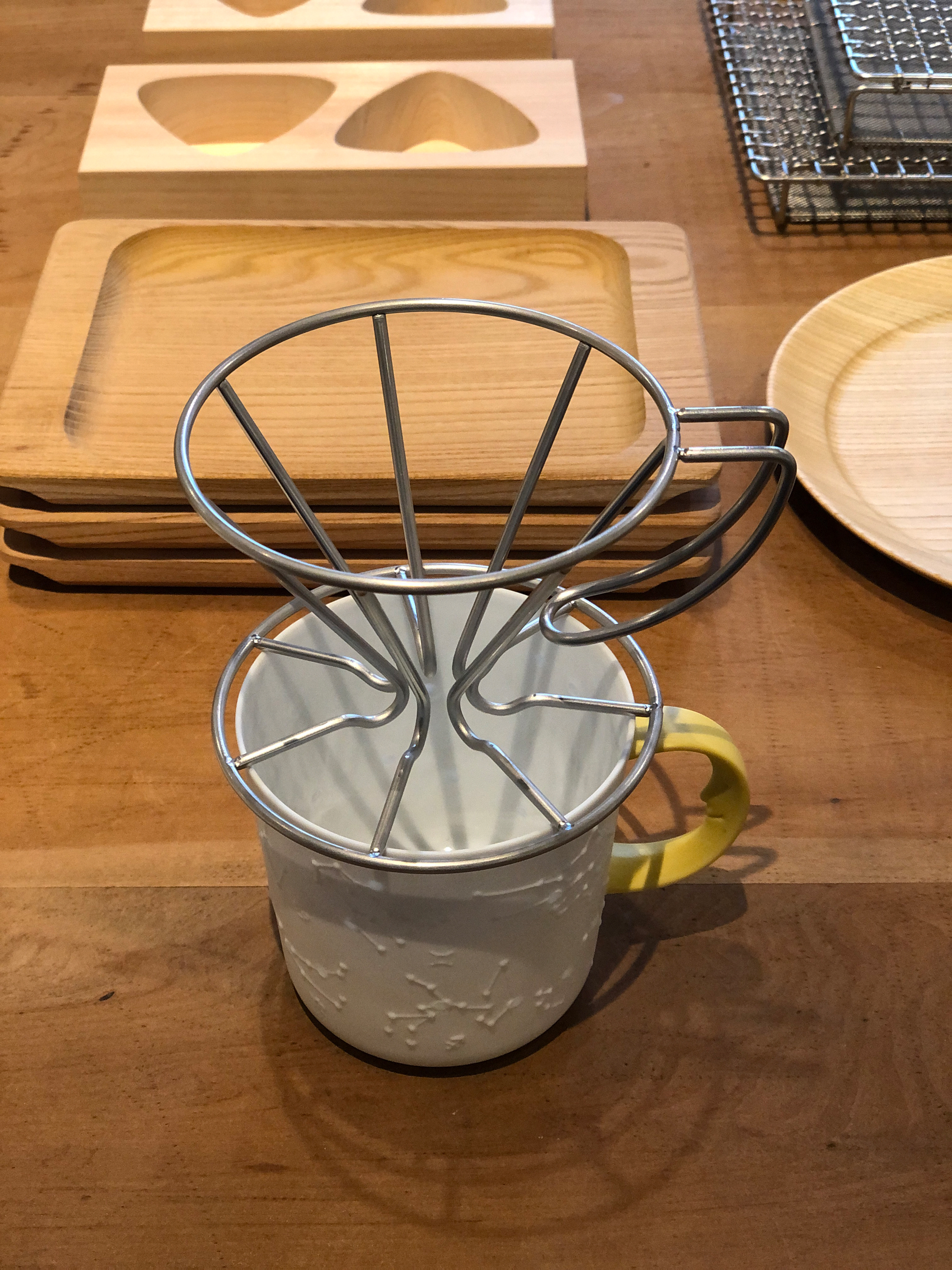
The first charm lies in the dripper's lightness and durability. Crafted by joining stainless steel wires using high-strength welding techniques, this dripper is light enough to hang on a hook for storage. This leads to a smooth workflow where you can effortlessly pick it up whenever you want to use it and set the filter right away. Made of sturdy stainless steel, there is no risk of chipping or breaking, making it easy to carry outdoors for activities like camping.

The second charm is its ease of use when brewing directly into a mug. When brewing coffee with a dripper set directly on a mug, many of us have raised the dripper to check the amount of extracted coffee more than once or twice because it was out of sight. However, this dripper is a "skeleton." Therefore, you can check the amount of coffee inside the mug at a single glance. The name "Waisuke" originates from this wire skeleton structure. Since the wire structure itself functions as ribs, space is created between the filter and the dripper, improving water flow and allowing you to enjoy clean, delicious coffee.

Furthermore, pairing it with a pot in addition to mugs is also highly recommended. For instance, the Straight Pot Side Handle from Kobo Aizawa has a full capacity of approximately 400 ml. Preheating the stainless steel pot before brewing allows you to enjoy warm refills as well.

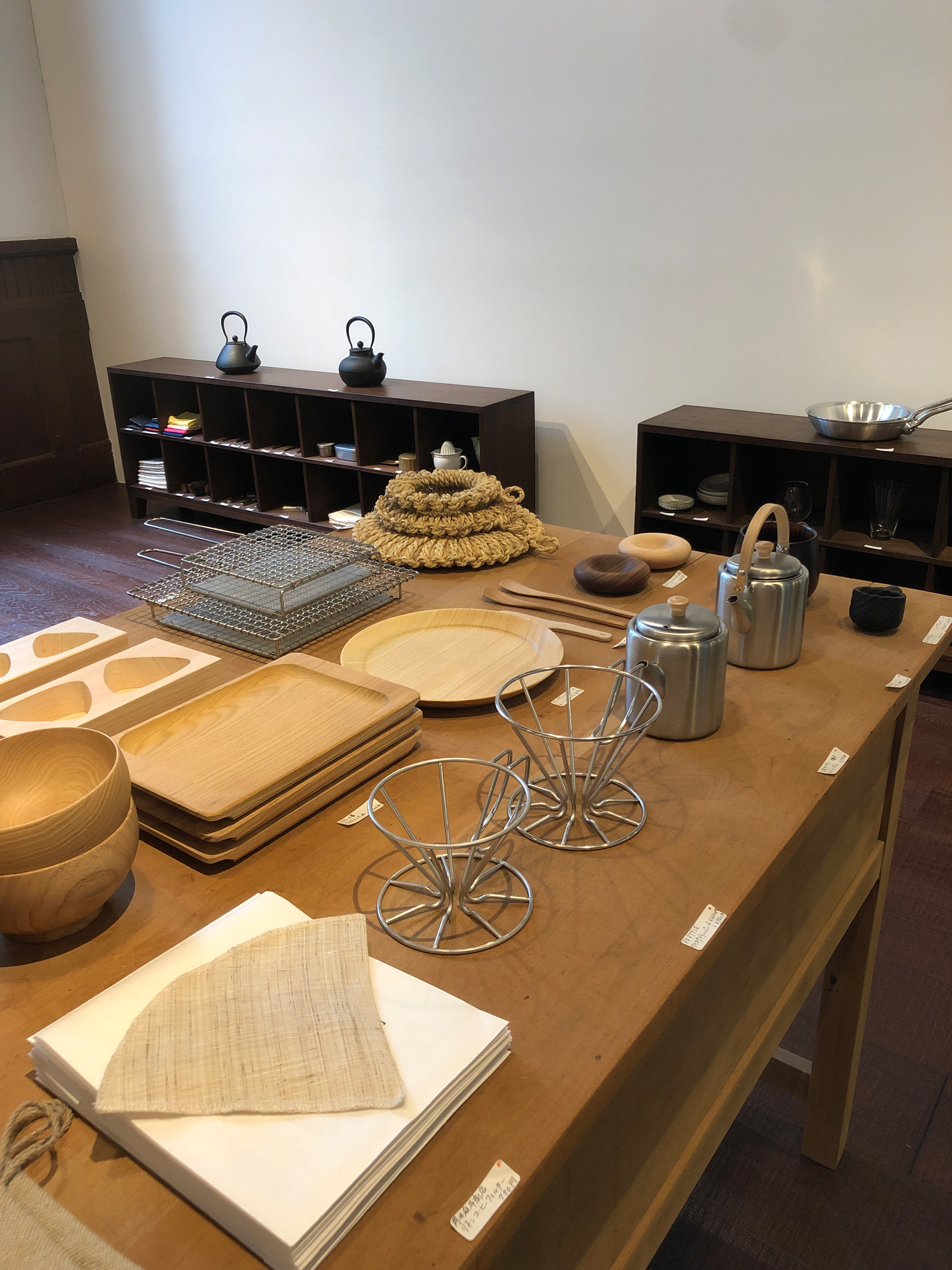
The highly popular Waisuke Dripper is currently on display at our showrooms across various locations. On a chilly autumn morning, why not start your day with a cup of warm coffee?

FD Style's Waisuke Dripper
https://www.shokunin.com/en/fdstyle/waisuke.html
Kobo Aizawa's Straight Pot Side Handle (*Please note that the dripper cannot be placed on the String Handle model)
https://www.shokunin.com/en/aizawa/pot.html
Oak Village's Mug
https://www.shokunin.com/en/oakvillage/mug.html
Ceramic Japan's Constellation Mug
https://www.shokunin.com/en/ceramicjapan/seiza.html
Rikucho Ogasawara's Komaru Tetsubin
https://www.shokunin.com/en/rikucho/tetsubin.html
Showroom Information
https://www.shokunin.com/en/showroom/

a

b

c

d

3

2

4

[Jiyu Gakuen Myonichikan]

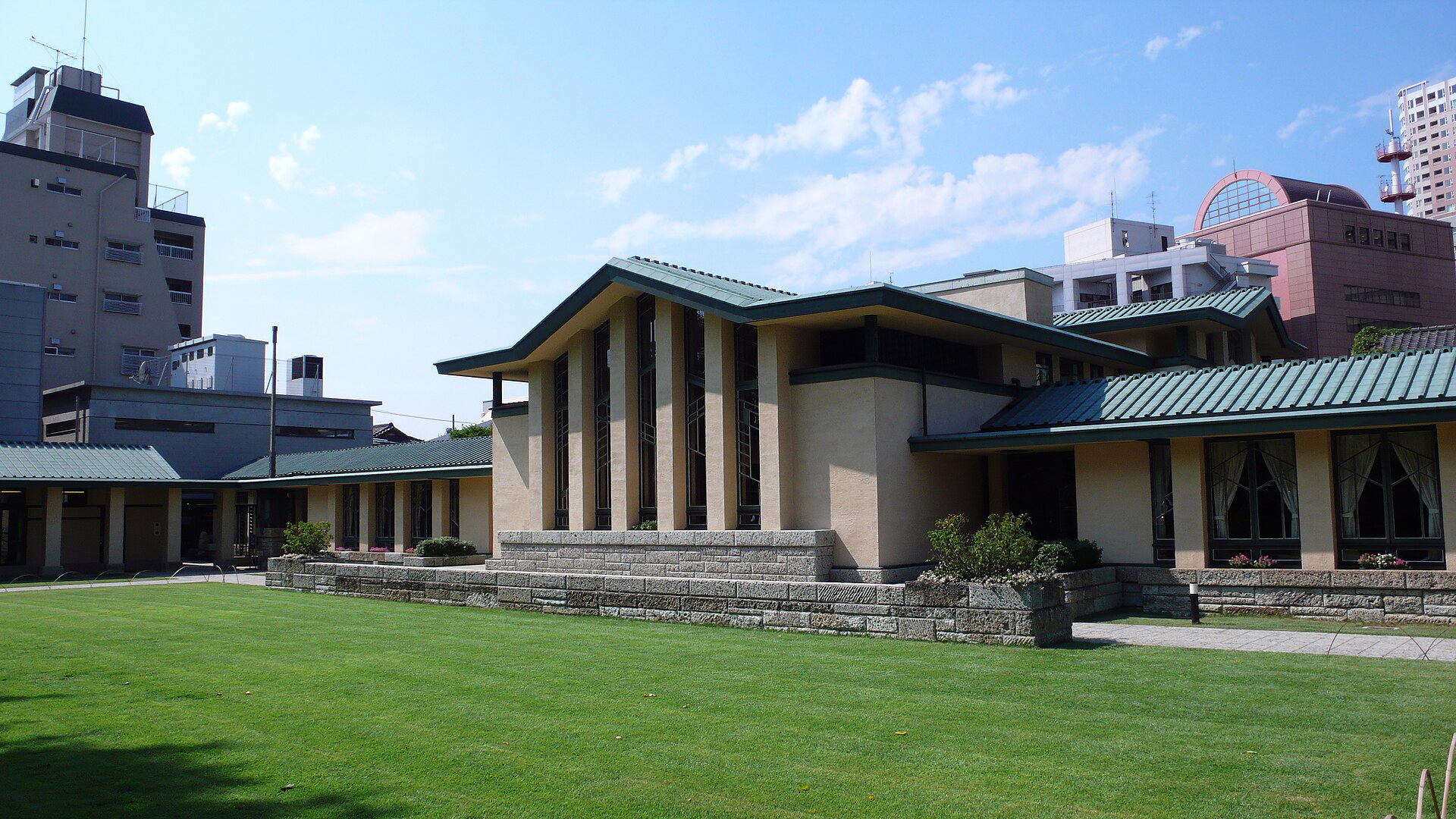
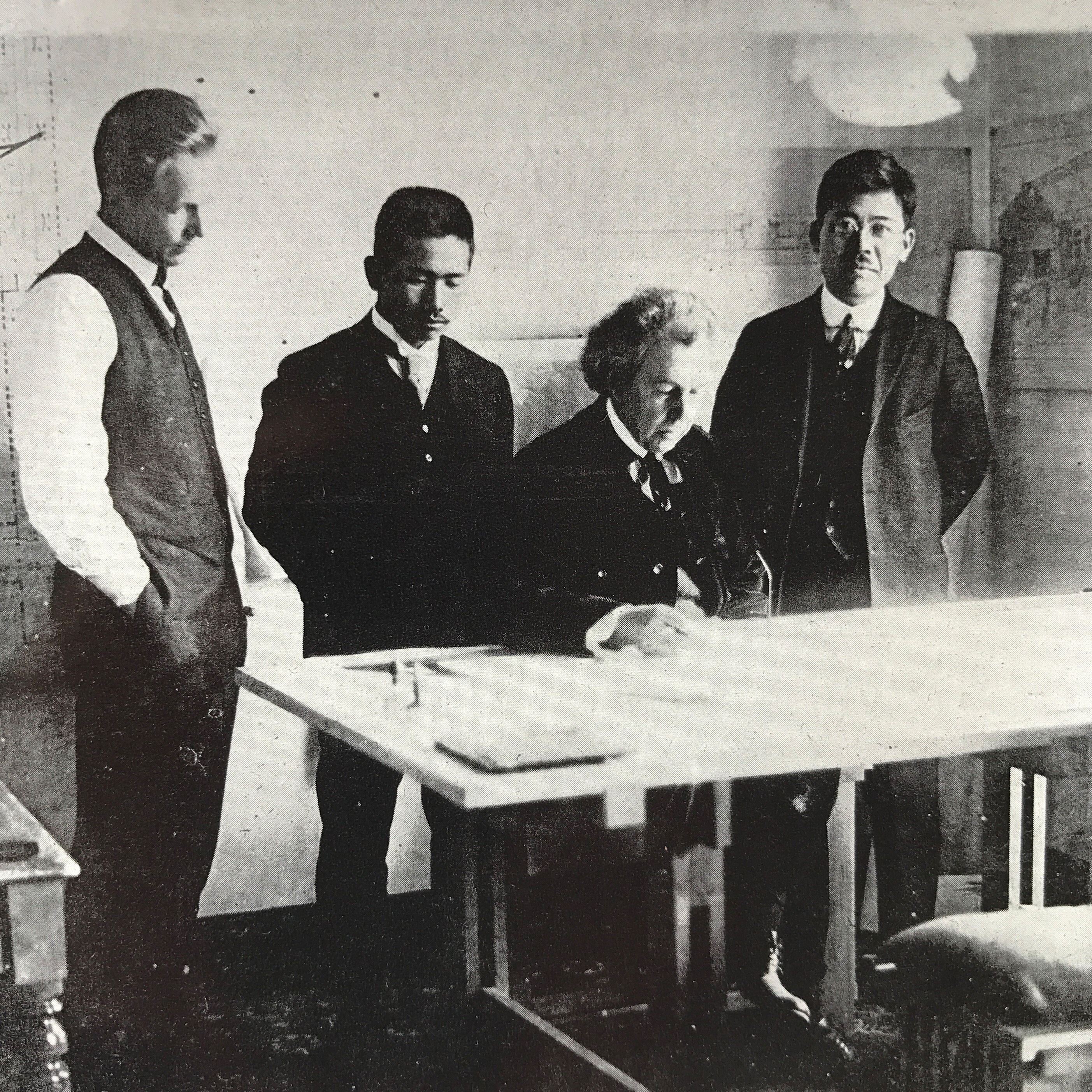
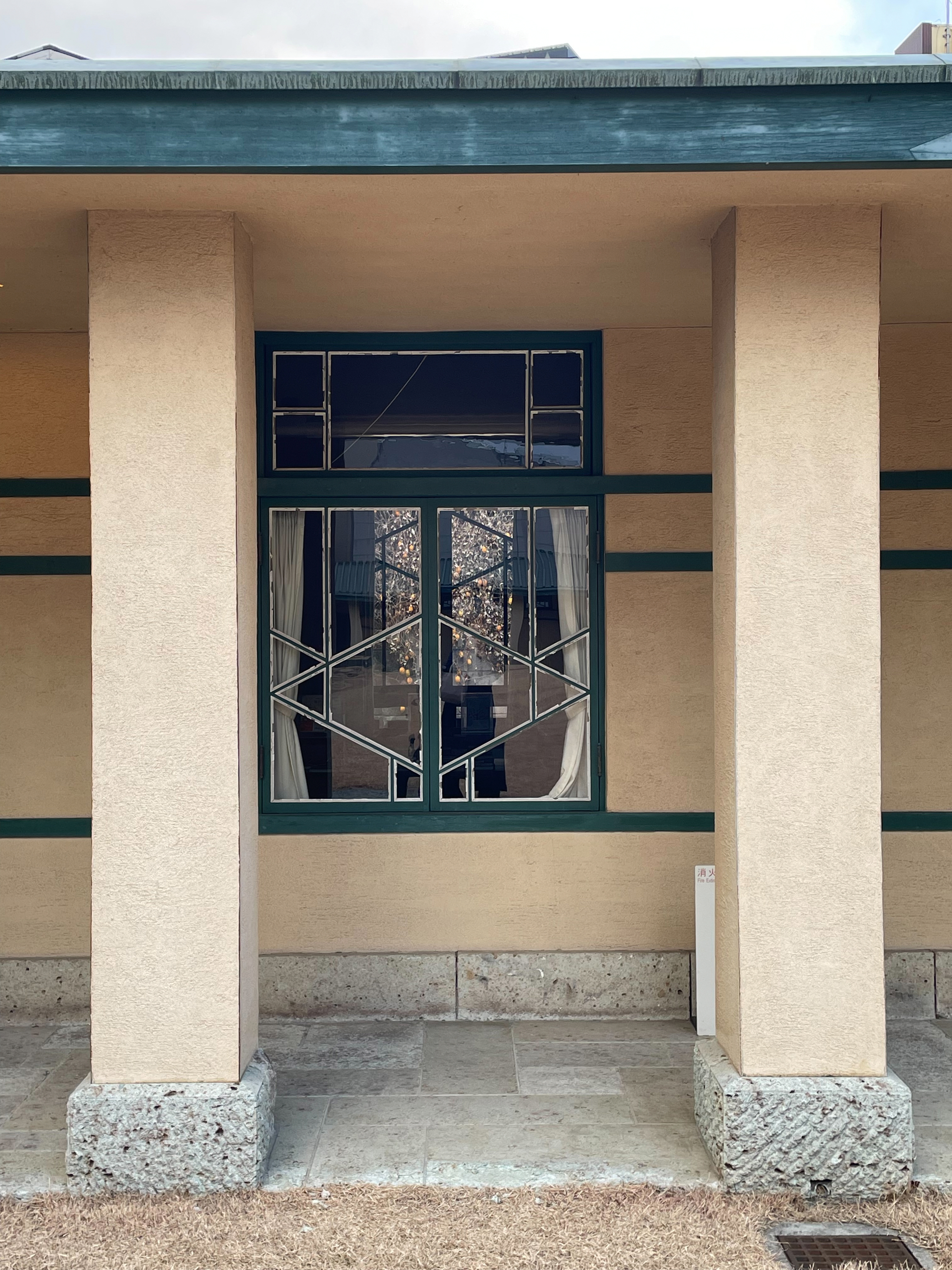
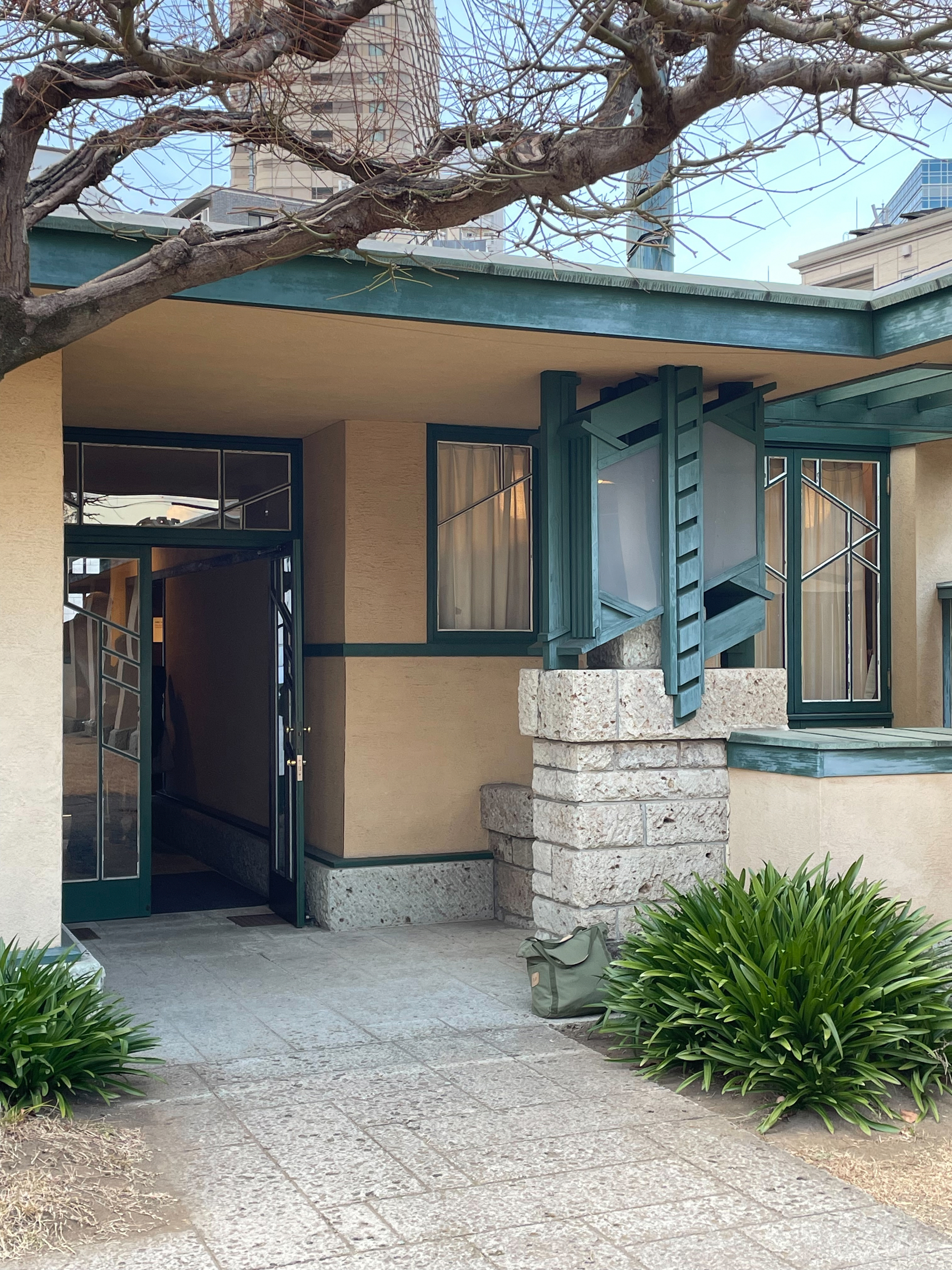
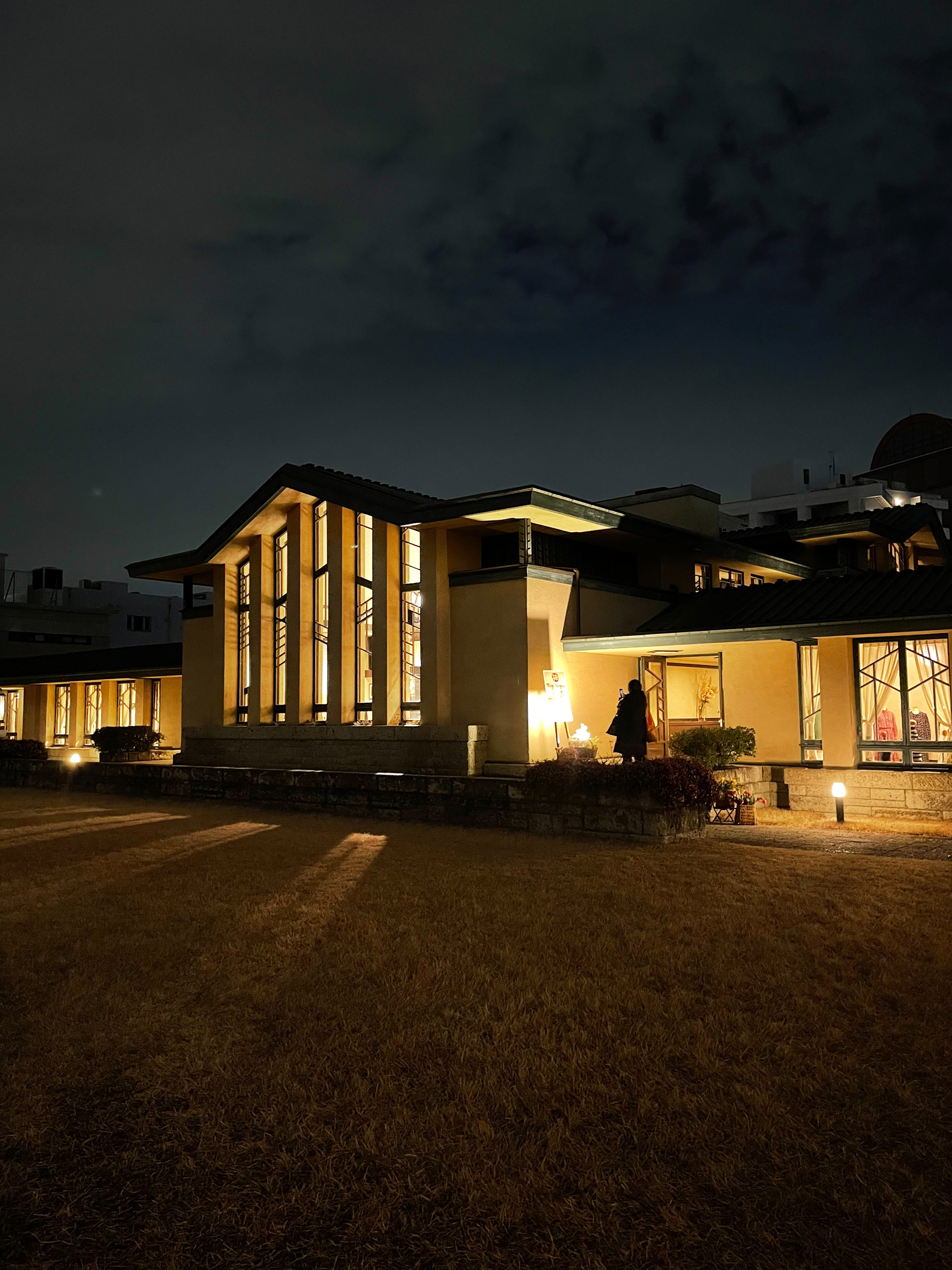
Stepping away from the bustling Ikebukuro Station and slipping into a quiet residential neighborhood, "Jiyu Gakuen Myonichikan" suddenly appears before you. Buildings emphasizing horizontal lines and geometric window decorations immediately catch your eye. Even to someone like me with little knowledge of architecture, the manor's refined presence evokes a strong sense that this is no ordinary structure. Jiyu Gakuen Myonichikan is a masterpiece of modern architecture, built in 1921 (Taisho 10) as the original schoolhouse for Jiyu Gakuen, founded by the couple Motoko and Yoshikazu Hani, and jointly designed by the master architect Frank Lloyd Wright and his disciple Arata Endo.

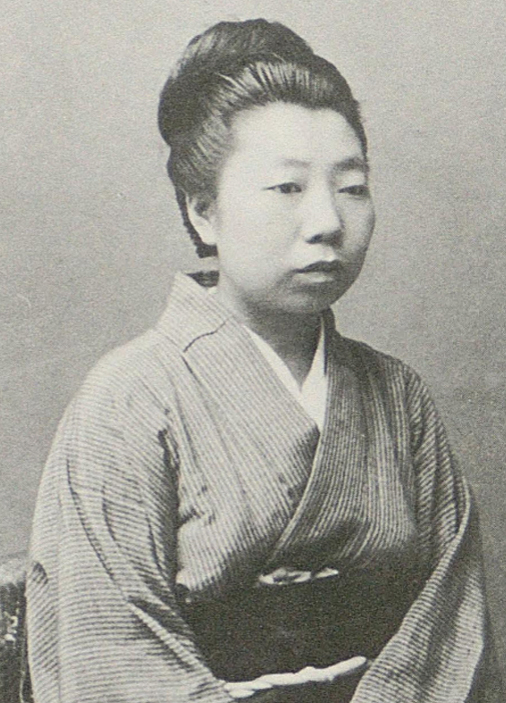
Motoko Hani was born in Aomori Prefecture. Joining Hochi Shimbun, she made her mark as Japan's first female journalist. Yoshikazu was also a journalist, and the two married. Across three fields—publishing, education, and social movement—they left monumental footprints toward the independence of modern Japanese women and the improvement of domestic life. In 1903 (Meiji 36), she founded "Fujin no Tomo," one of Japan's longest-running lifestyle magazines. Covering topics such as streamlining housework, child-rearing, and social issues, it gained passionate support from women of that era. She is also the visionary who later devised the "kakeibo" (household budget book), aiming for functional efficiency in domestic life. Driven by their ideal educational philosophy, "Life is Education itself"—the concept that daily life and experience are the true grounds for nurturing human growth—they went on to establish Jiyu Gakuen.

Sympathizing with the educational vision of the Hanis, Wright designed Jiyu Gakuen grounded in their philosophy of "filling a simple form with noble thought." In the hall windows, which serve as the face of Myonichikan, instead of using expensive stained glass, wooden window frames and mullions were geometrically arranged to keep construction costs down while creating a uniquely beautiful, light-filled structure. Featuring a spatial composition of continuous rooms with subtly varied floor levels, it is said to vividly embody the "Prairie Style" signature of the first golden era of Wright's career. The meticulous selection and placement of furniture and lighting render every space a place you want to explore.

Designated an Important Cultural Property of Japan, Myonichikan survived both the Great Kanto Earthquake and wartime devastation. Following preservation and restoration work, it is now open to the public. Serving also as a venue for weddings and events, it achieves a balance between functional utility and historical value through "dynamic preservation"—preserving by continuing to use. A wide variety of open lectures are held here, allowing visitors to experience this space where students once studied and lived as a contemporary "house of learning." Once a month, building tours with commentary are held, offering rich explanations covering the architecture as well as Frank Lloyd Wright and Arata Endo. In the coming season, the fireplace might even be lit. If you happen to be nearby, please drop by for a visit.

Jiyu Gakuen Myonichikan
https://jiyu.jp/
Ginza Showroom
https://www.shokunin.com/en/showroom/ginza.html

Reference
https://www.fujinnotomo.co.jp/about/life/