September 2026

1

2

3

[Cumin Toast]

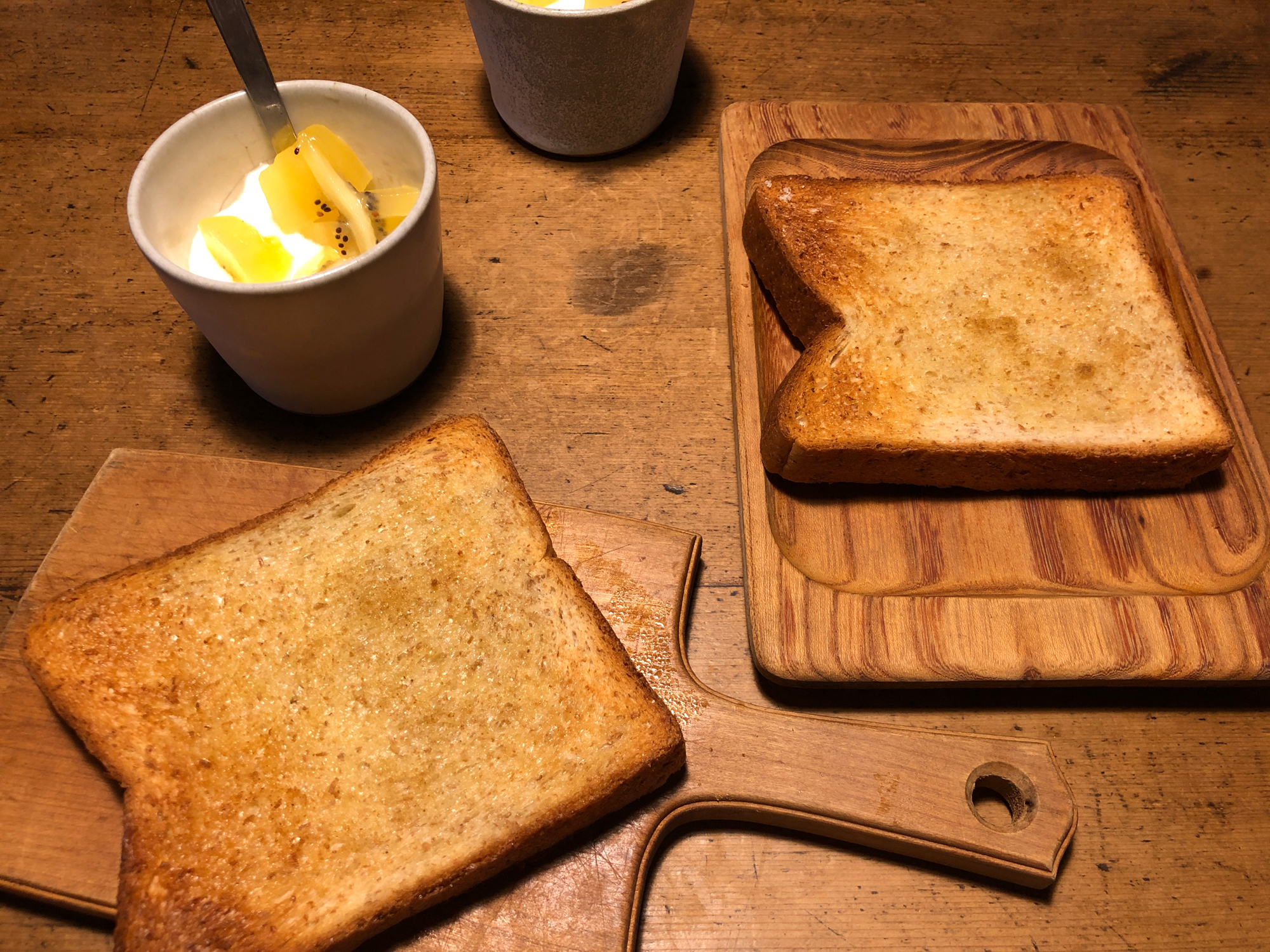
The other day, while browsing social media, I came across a lovely photo accompanied by the catchy comment, "I truly believe cumin toast is an invention." Apparently, all you need to do is sprinkle an appropriate amount of salt, olive oil, and cumin onto bread and toast it in a toaster oven.

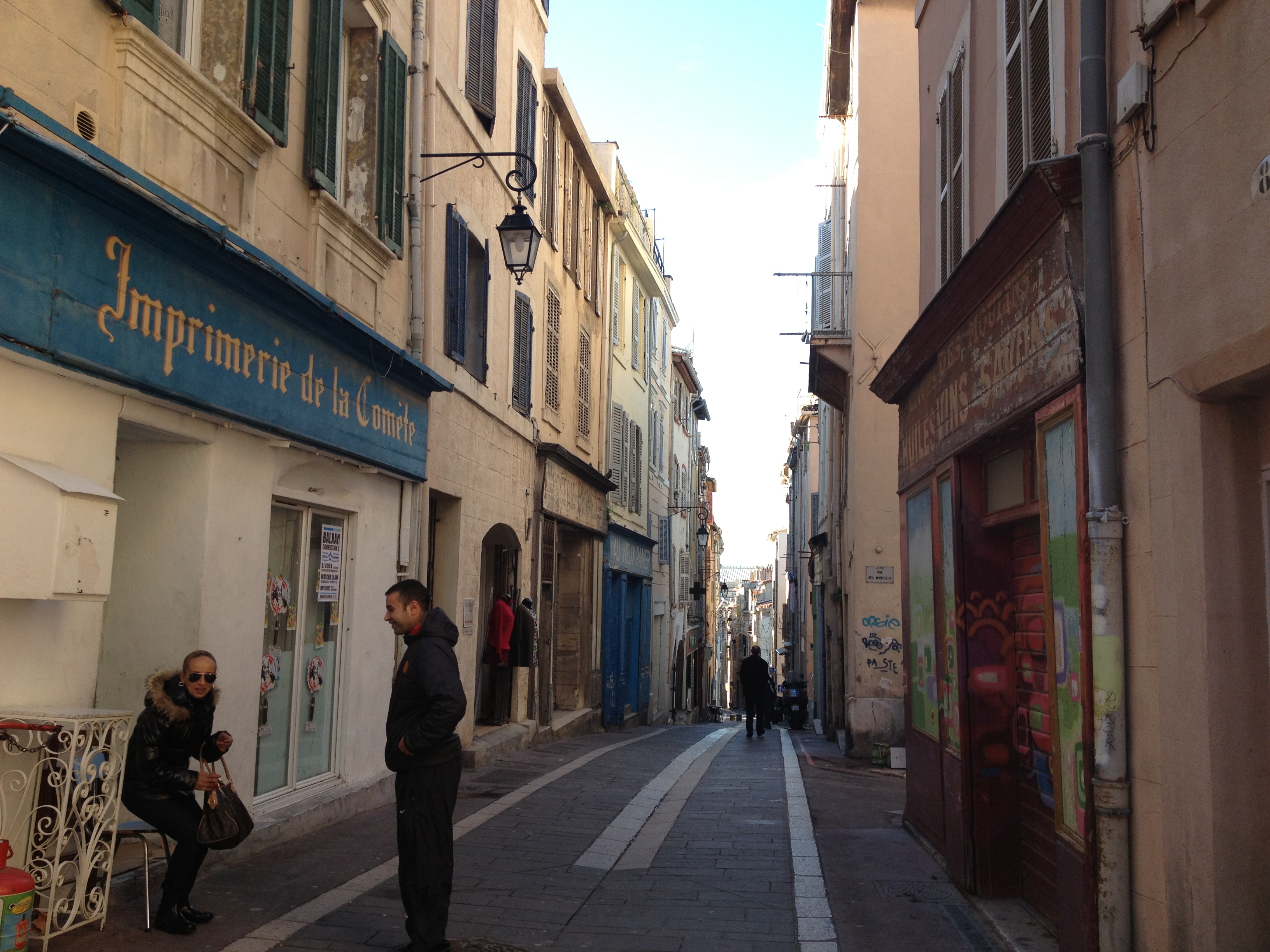
When I tried it immediately, it had the authentic flavor of artisanal bread you would buy at a specialty bakery. It somehow reminded me of the atmosphere of Marseille in southern France, a place that must have had historical trade ties with North Africa.

Why not experience a touch of exotic charm with ingredients you likely already have close at hand?

Moyai Kogei's Zelkova Bread Plate
https://www.shokunin.com/en/moyai/
Azmaya's Cheese Board Sl
https://www.shokunin.com/en/azmaya/cheeseboard.html
Seiryugama's Sobachoko
https://www.shokunin.com/en/seiryu/soba.html

Reference
https://www.threads.com/share/_q1YlvJ0b/
1

2

3

[Edo Glass]

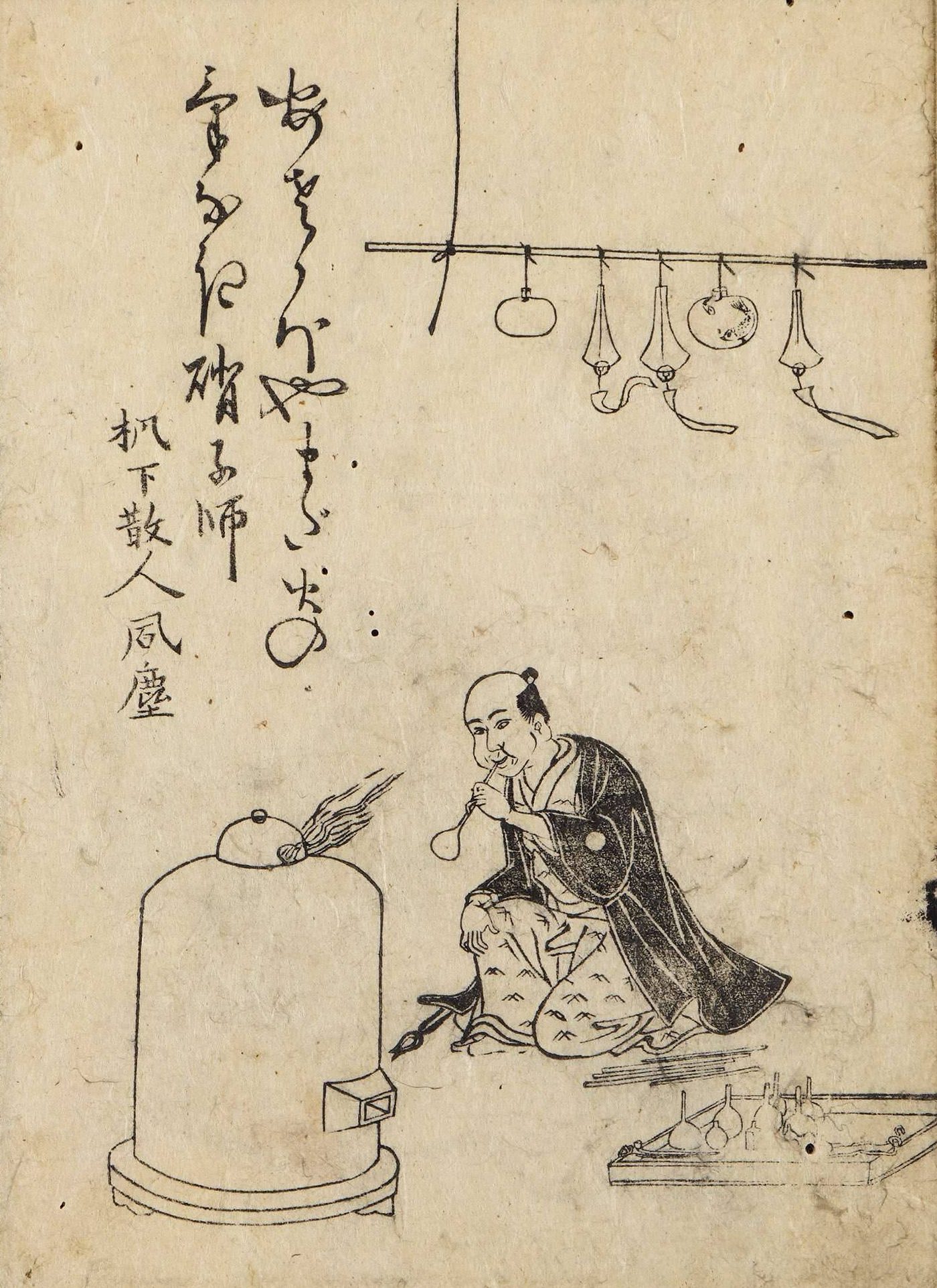
Japanese glass manufacturing has a long history, with the earliest craft artifacts dating to the Yayoi period. Glass production began in earnest during the Edo period. In the early 18th century, it spread explosively throughout the town of Edo thanks to two figures: Kagaya Kyubei, who manufactured mass-market glass products such as mirrors and eyeglasses in Nihonbashi Torishiocho, and Kazusaya Tomesaburo, who produced hairpins, wind chimes, and kaleidoscopes in Asakusa. Edo at the time was Japan's largest consumer city, with a population of about one million.

"Edo Glass" refers to glass products manufactured by kilns in Tokyo and Chiba that inherit the glassmaking techniques born in the Edo period. Most of the Edo Glass production process is done by hand, and because handling glass involves high temperatures, delicacy, and extremely precise timing, the skill of master artisans is indispensable. These techniques have been handed down continuously from the Edo period to the present day. Edo Glass was designated as a Tokyo Traditional Craft in 2002 and a Nationally Designated Traditional Craft in 2014.

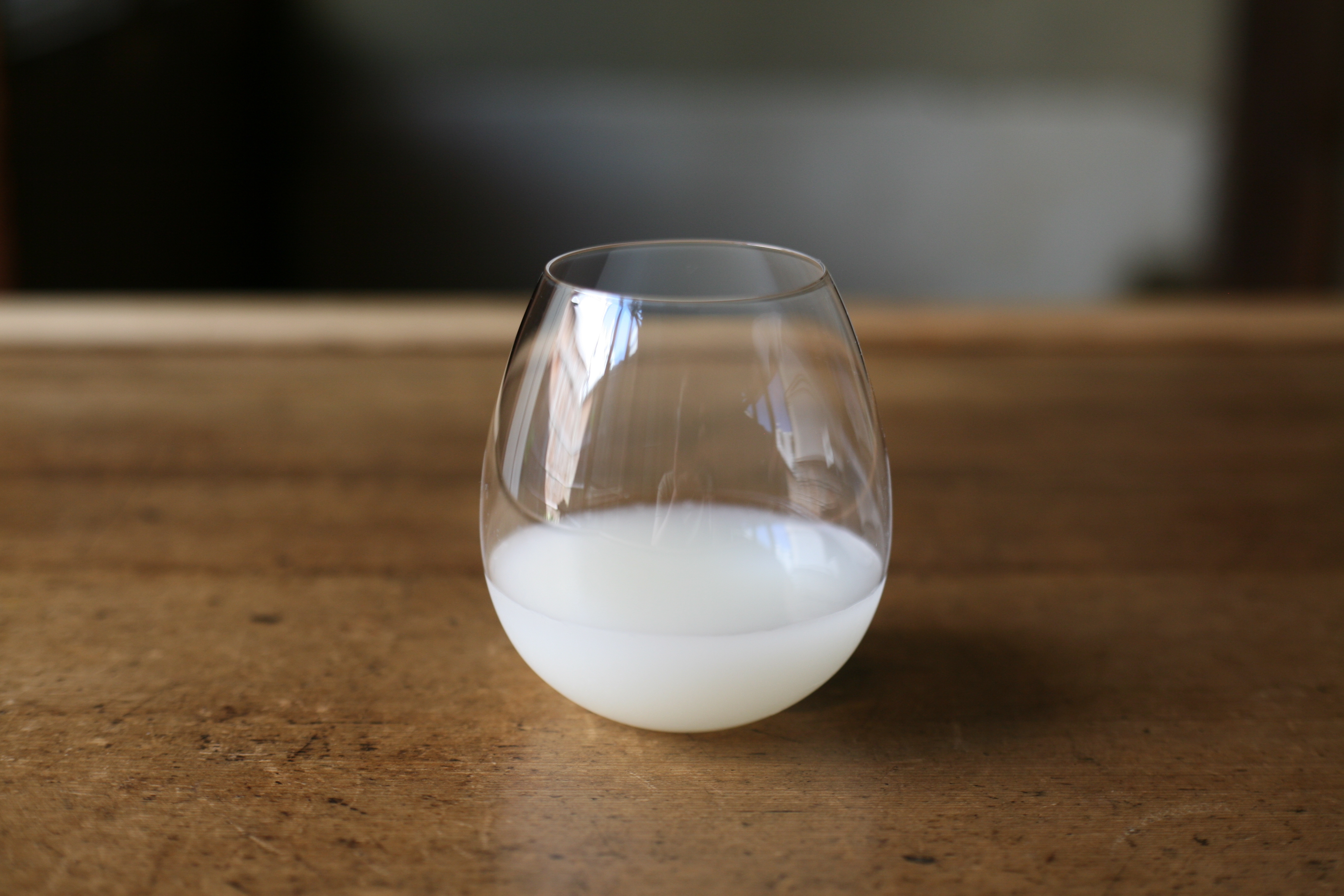
Hirota Glass was founded in Tokyo in 1899. As one of Tokyo's oldest glass makers, it preserves traditional manufacturing through handwork and continues to create products that harmonize with modern interiors. Karai is an Edo Glass piece blown thinly. Its soft, elegant form, modeled after a flower bud, wraps around gracefully like a wine glass, enhancing the aroma of your drink. Pour a slightly smaller amount of an aromatic beverage and enjoy it while tilting the glass for a sophisticated impression. It is also recommended for cold tea and Japanese sake.

The essence of delicate and reliable handwork carefully passed down by artisans since the Edo period. Why not welcome Edo Glass into your dining table to gently accompany your daily life and beautifully elevate your precious moments?

Hirota Glass's Edo Glass "Karai"
https://www.shokunin.com/en/hirota/karai.html
Showroom Information
https://www.shokunin.com/en/showroom/

References
"Ehon Azuma Miyage" (Collection of Kyushu University Central Library)
http://www.tobu-glass.or.jp/menu37.htm
https://kogeijapan.com/locale/ja_JP/edogarasu/

1

2

3

4

[Price Revision Notice]

Due to rising raw material costs, several items will increase in price on 2026/10/1-2. If you are considering purchasing, please place your order before then.

Appi Urushi Studio
https://www.shokunin.com/en/appi/wan.html
Kiya
https://www.shokunin.com/en/kiya/uchidashi.html
Fujiki Denshiro Shoten
https://www.shokunin.com/en/denshiro/
Azmaya
https://www.shokunin.com/en/azmaya/miyajima.html
Yamaichi
https://www.shokunin.com/en/yamaichi/seiro.html