December 2024

1

2

29878875_m

[Ceramic Set to Enjoy Wine]

Ichiyougama's Kodai Yunomi was recently added to our collection. This is a new type of yunomi (teacup) created by Mr. Hajime Kimura, who continues to craft innovative shapes with his originality and creativity.

I suddenly thought it might pair well with wine, so I gave it a try, and it turned out to be a perfect match. Its high base made it feel just right, even with a full serving. With several refills, I found myself surprisingly content with smaller portions than usual.

The Slipware Pitcher, also crafted by Tansougama, is perfectly sized for serving small portions of wine, much like the decanters you find at Saizeriya.

These days, there's been much talk about drinking in moderation, and it's been a topic for quite some time. But when we drink, we want to do so without overthinking. That's why we thought it would be nice to have a way to naturally encourage moderation when enjoying drinks at home.

We hope you will consider it for your year-end and New Year's gatherings.

Ichiyougama's Kodai Yunomi
https://www.shokunin.com/en/ichiyou/yunomi.html
Tansougama's Slipware Pitcher
https://www.shokunin.com/en/tansou/slipware.html

1

2

3

4

[Crane: Traditional New Year's Decoration in Kitakyushu]

Many households prepare decorations for the New Year as part of the New Year's tradition. These decorations are placed at the entrance of the house to welcome the “New Year's god” and to show that the place is clean and pure. Shime-kazari decorations come in a variety of shapes and sizes throughout Japan, and each region has its own unique characteristics.

In Kitakyushu City, the most common type of shime-kazari is the “crane,” which is round in shape and resembles a bird spreading its wings. The crane, which is said to bring long life, is used as a good-luck charm, but there are various theories as to why the crane-shaped decorations became popular. The crane-shaped shime-kazari spread only in Kitakyushu and Chikuho areas in Fukuoka Prefecture, but it may have suited the character of the area, which favors bold and gorgeous decorations. Even in Kitakyushu City, in areas near the sea, such as Moji Ward, “ebi jime” decorations shaped like shrimp, as seen in Kansai and Shikoku, are favored in some regions.

After Christmas, the area around Tanga Market in Kokurakita-ku, the kitchen of Kitakyushu, is in a New Year's mood. The market is filled with colorful fish cakes and osechi (New Year's dishes), as well as large yellowtail and tiger puffer fish, and many people gather to buy food for the New Year. Near the market, stalls will be set up for a few days from around the 27th, and stores selling decorations for the New Year will open for business one after another. The main items sold at all the stalls are shime-kazari decorations of cranes, some of which are huge and cannot be found at supermarkets or home centers, and many citizens buy large ones for their offices and homes.

Wakamatsu Showroom
https://www.shokunin.com/en/showroom/wakamatsu.html

1

2

3

4

[Making Your Own Miso]

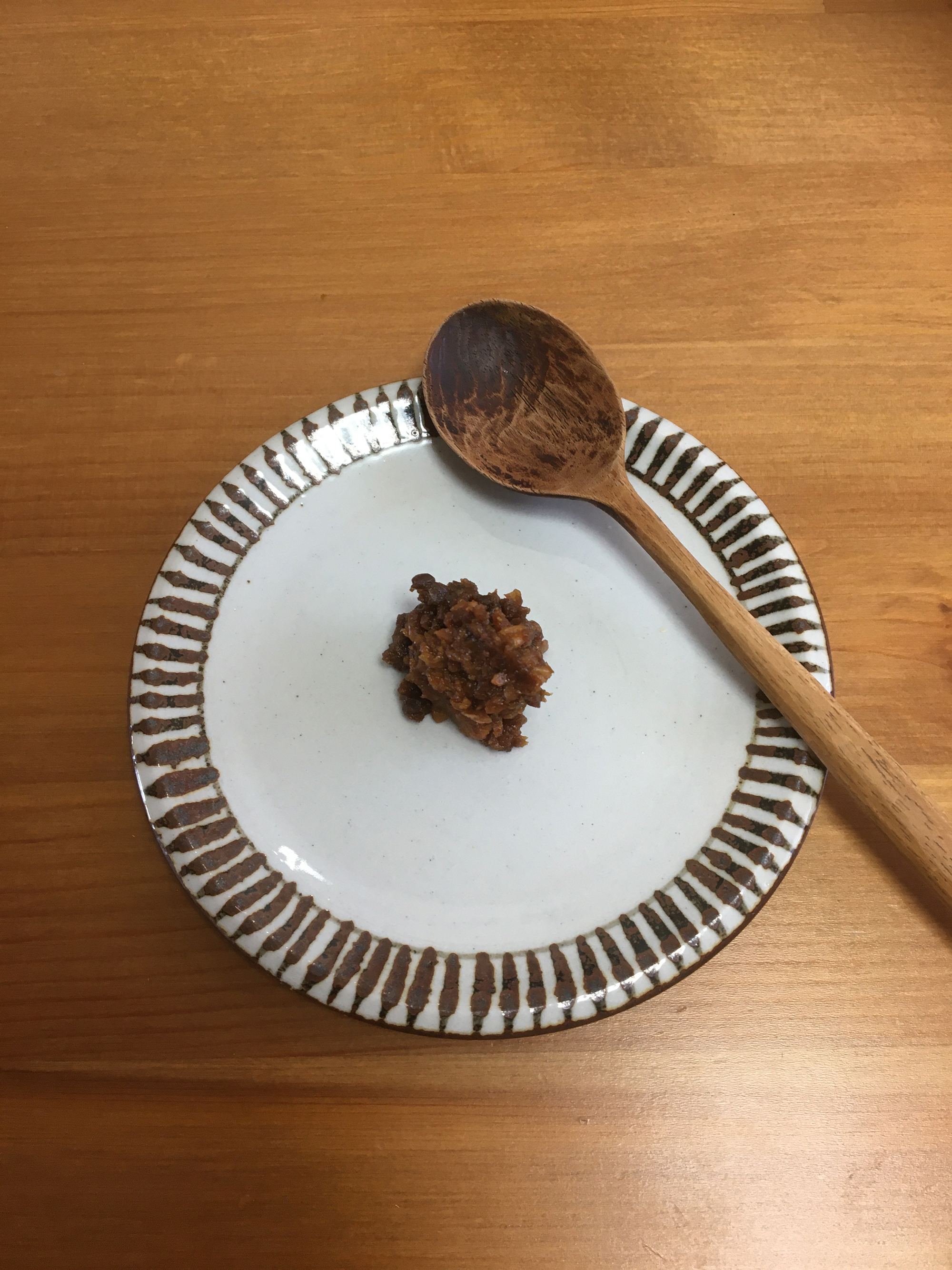
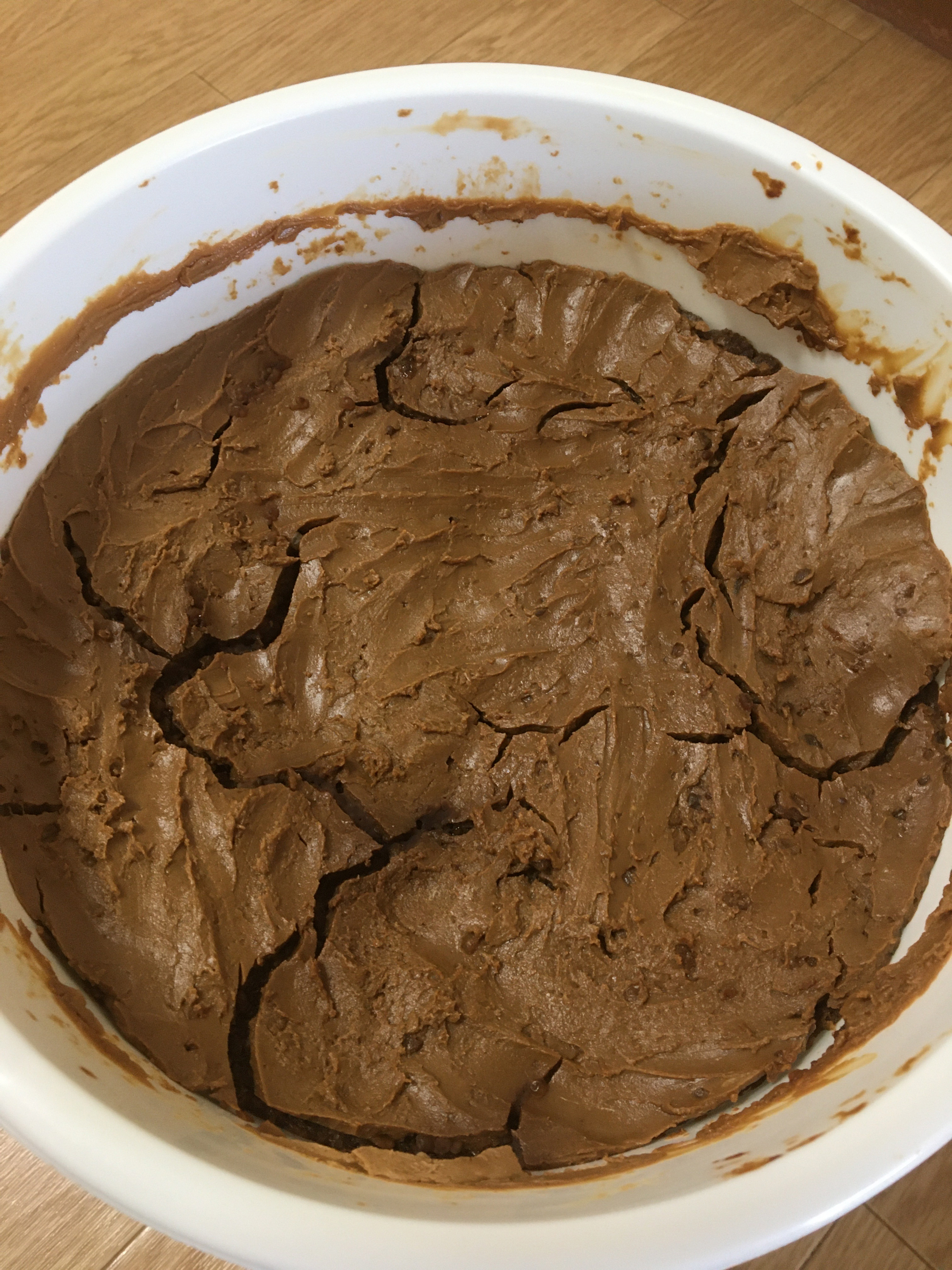
The other day, I opened the miso I made this spring with a sense of excitement. When I lifted the lid, the aroma of fresh miso filled the air. I peeled off the sake lees that had been covering the top to prevent mold, took a spoonful, and found that this year's miso had an exceptionally rich soybean aroma. It has a deep flavor that only homemade miso can have. While it still has some sharp edges, it is alive with the koji and is considered raw miso. Over the next year, it will gradually sweeten and mellow. I plan to transfer it little by little to my favorite container and enjoy watching it change. By the way, the sake lees that protected the miso have also taken on a full miso flavor, so I enjoy adding them to hot pots or miso soup.

Miso is indispensable in Japanese home cooking. After a time when it was common to buy miso at the store, homemade miso is now being reevaluated. However, many people still find the idea of making it a bit daunting. I was in the same boat until a few years ago. One reason I hesitated was the choice of container. There are many options, including wooden vats, ceramic jars, enamelware, glass jars, and plastic containers. If I were to go to the trouble of buying one, I would want to get the right one, but I wasn't sure if I would be able to use it year after year. Another challenge was the preparation process. Gathering the ingredients and cooking the soybeans, which must be soaked the day before, is a two-day task. The thought of it sometimes made me anxious, wondering if I could manage the work.

That's why I want to introduce a way to lower the hurdle of making miso a little. When I searched for a method, I found a modern recipe: buy boiled soybeans in a can (mizu-ni) and prepare them in a zippered plastic bag like a Ziploc. After mashing the soybeans in the bag, mix the salt and malted rice with the mashed soybeans, put it in a clean Ziploc bag, squeeze out the air, and seal it. After about six months at room temperature, the miso will be ready. This method seems easy enough, even if you're busy. Starting with a small batch and trying the simpler method will help you get a feel for it. Once you do, it will be easier to choose the tools, ingredients, and methods that suit you from the many options available.

But what if you want to do something a little more serious? In our house, we prepare five kilograms of ingredients in a five-liter container with a lid. After much consideration, we chose a plastic bucket because it's easy to handle. It's lightweight, easy to clean, resistant to bacteria, and reasonably priced. As a result, it was perfect for beginners. As for the ingredients, I don't have any original formulas yet, so I buy a handmade miso set (containing soybeans, koji, and salt) from a miso shop. My favorite set is from Marukawa Miso in Fukui, known for its high-quality ingredients. Every year, it has a rich and gentle taste. There are other miso makers selling handmade miso sets, some even including a container, so if you're unsure, I recommend trying one of those first.

Once the ingredients are ready, all that's left is the preparation. Soaking the soybeans in three times the amount of water for 18 hours and then cooking them until they're soft enough to crush with your fingers is a bit of work. But we decided to tackle it that day, and I started preparing the day before. If you have a large amount of soybeans, they will inevitably scatter around when you mash them or mix them with koji. So it's best to secure a large space beforehand and lay down some plastic to make the process more pleasant. It's also fun to invite family or friends to help.

Whether it's a hot summer day or a cold winter day, having miso soup is enough to soothe your mind and body. This is especially true if it's made with homemade miso. There are plenty of recipes and videos online, so if you've been wanting to try making miso but haven't yet, I encourage you to take the plunge and give it a try while lowering the bar.

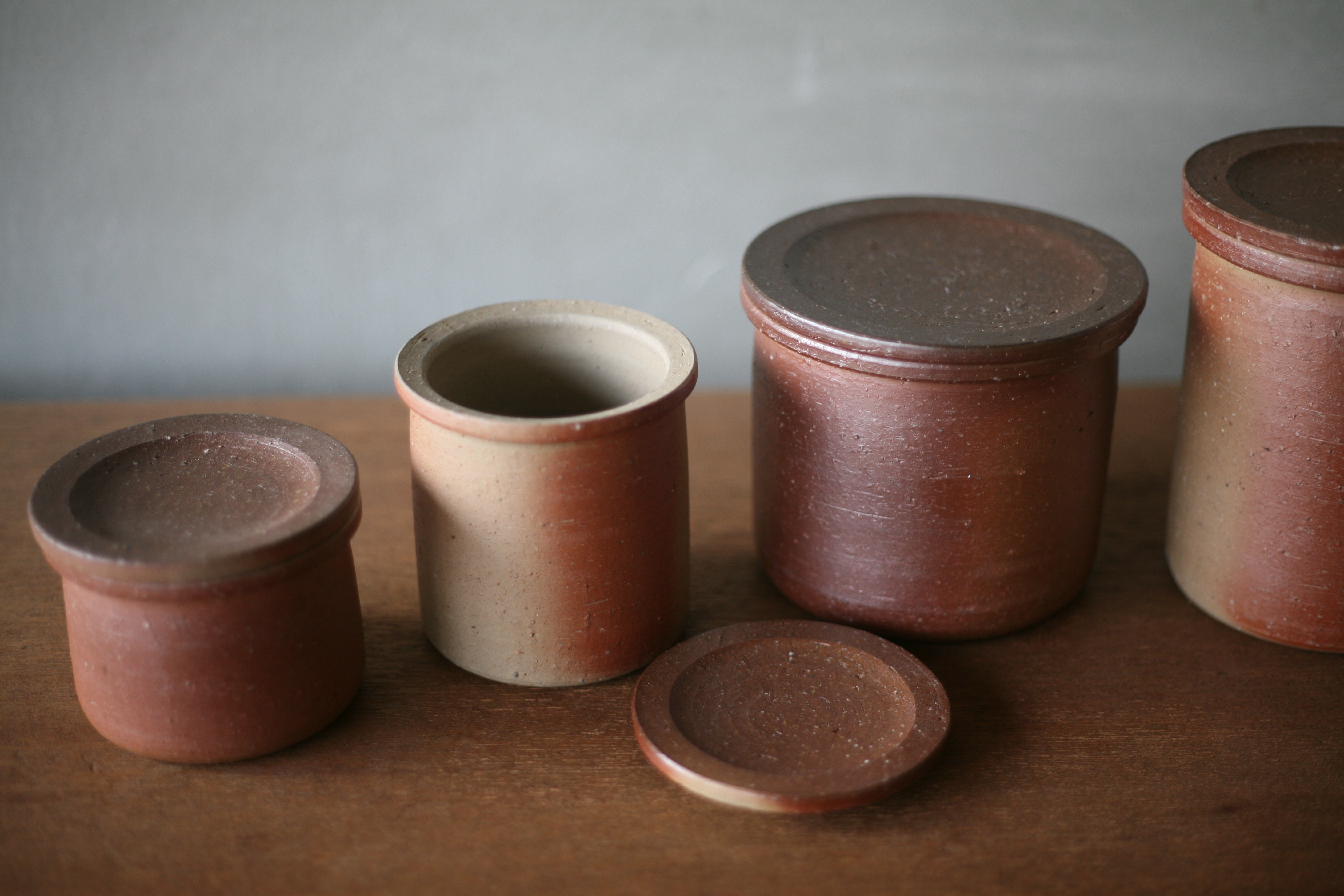
Ichiyougama's Food Container Miso
https://www.shokunin.com/en/ichiyou/container.html
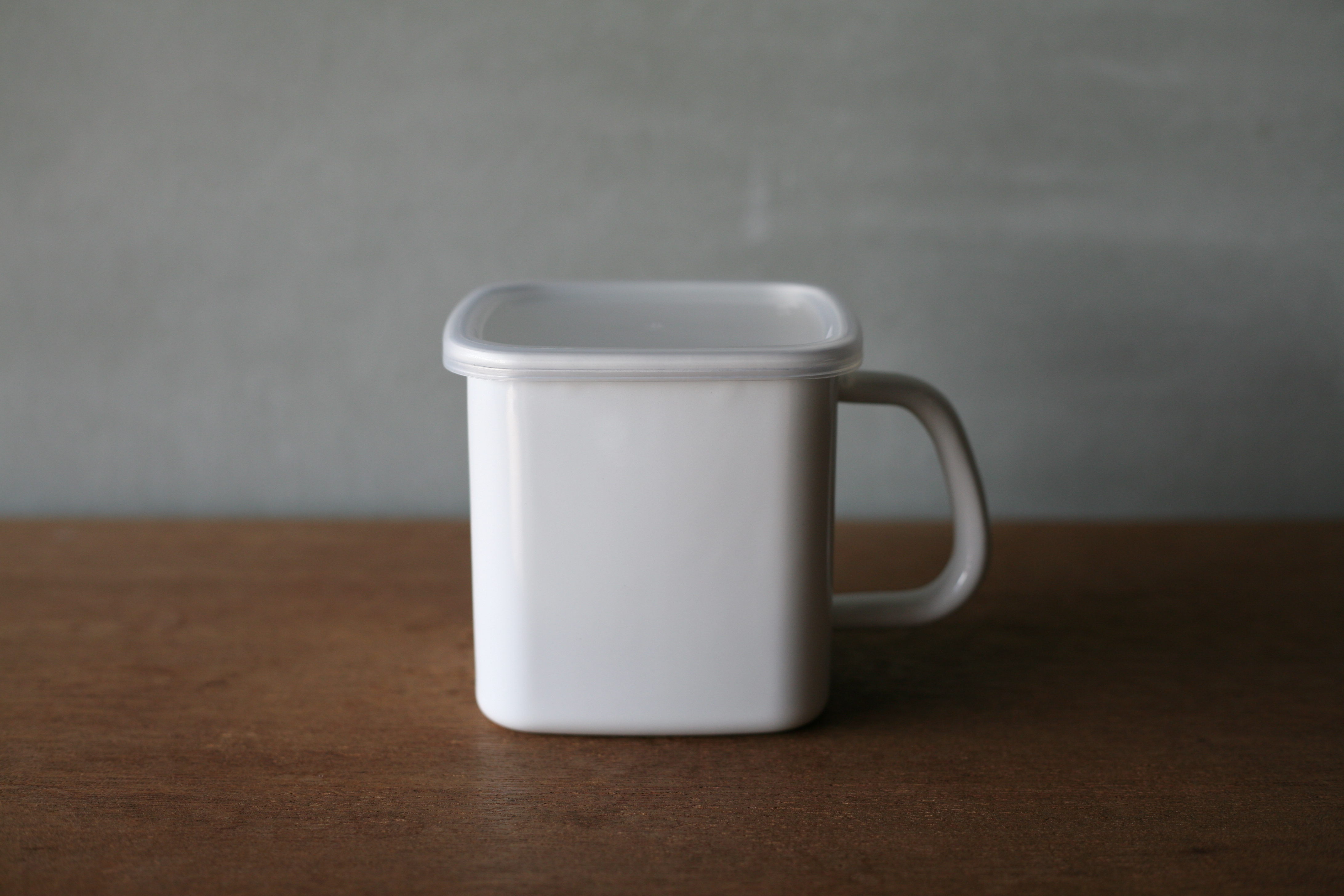
Noda Horo's Square Stocker with Sealed Lid
https://www.shokunin.com/en/noda/

References
https://m.youtube.com/watch?v=DnoN0cKDdCA
https://marukawamiso.com/make-miso/85.html