December 2024

1

2

3

4

[Sukiyaki]

“Sukiyaki” is always ranked as one of the best dishes to eat in Japan on foreign language websites. Many of you may have seen scenes of families sitting around a pot and eating sukiyaki together in Japanese anime and other programs that are widely broadcast overseas. Sukiyaki is a slightly extravagant and special feast for celebrations or special events, where you buy some good meat and eat it with your family around a pot. Since warm sukiyaki is especially delicious in the coming cold season, I would like to write about sukiyaki in Japan.

Sukiyaki was not eaten in Japan until the end of the Edo period (1603-1868). After the opening of the port of Yokohama in 1859, foreigners living in foreign settlements introduced the culture of meat eating to Japan. 1867 saw the opening of “beef hot pot restaurants” in Edo, where beef and green onions were boiled in a flat pot and eaten. In the Meiji period (1868-1912), the ban on meat consumption was lifted by the Meiji Emperor, and the practice spread widely to the general population. The name “sukiyaki” was originally used in the Kansai region. Dishes called “uosuki” and “okisuki” using fish have long been eaten in the Kansai region, and in the Meiji era, sukiyaki using beef appeared in the Kansai region. After the Great Kanto Earthquake, Kansai-style sukiyaki was introduced to the Kanto region along with the name of the dish, and Kanto-style sukiyaki, in which meat and vegetables are simmered in warishita, came to be eaten.

Long-established and famous sukiyaki restaurants can be found throughout Japan, but for those who prefer to eat sukiyaki on their own, beef bowl chain restaurants and bento box stores are recommended. Beef sukiyaki hot pot and other dishes are also available only during the winter season. While the taste at restaurants is of course delicious, sukiyaki is surprisingly easy to make at home. The basic ingredients include beef, green onions, Chinese cabbage, shiitake mushrooms, garland chrysanthemum, baked tofu, and shirataki (water drop), but you can also use chicken or pork as the meat and add vegetables of your choice. Seasonings include broth, soy sauce, sugar, and mirin, but there is also a convenient product called “sukiyaki sauce” that can be easily seasoned, so be sure to look for it at supermarkets and other stores.

Kiya's Sukiyaki Pot stores heat, so the temperature does not drop as you add ingredients, and the nabe maintains a constant temperature, making it ideal for sukiyaki, a dish in which ingredients are cooked and simmered in succession. It will surely be a great help for the increasing number of gatherings of family and friends during the year-end and New Year's holidays. The more you learn about sukiyaki, from how it is made to how it is seasoned, the more profound the world of sukiyaki becomes. Whether at a restaurant or at home, enjoy sukiyaki this winter to warm your body and soul.

Kiya's Sukiyaki Pot
https://www.shokunin.com/en/kiya/sukiyaki.html
Tsujiwa Kanaami's Yudofu Shakushi (Ladle for Boiled Tofu)
https://www.shokunin.com/en/tsujiwa/yudofu.html
Ceramic Japan's Black & White Bowl
https://www.shokunin.com/en/ceramicjapan/shirokuro.html
Shirokiya Shikkiten's Teshiozara
https://www.shokunin.com/en/shirokiya/teshio.html

References
https://www.imahan.com/archives/3823
https://ja.wikipedia.org/wiki/%E3%81%99%E3%81%8D%E7%84%BC%E3%81%8D
https://recipe.yamasa.com/blog/1810_sukiyaki_7
https://www.meijimura.com/meiji-note/post/meiji-western-meal/
a

d

e

e1

f

g

g1

h

[Former Den'emon Ito Residence]

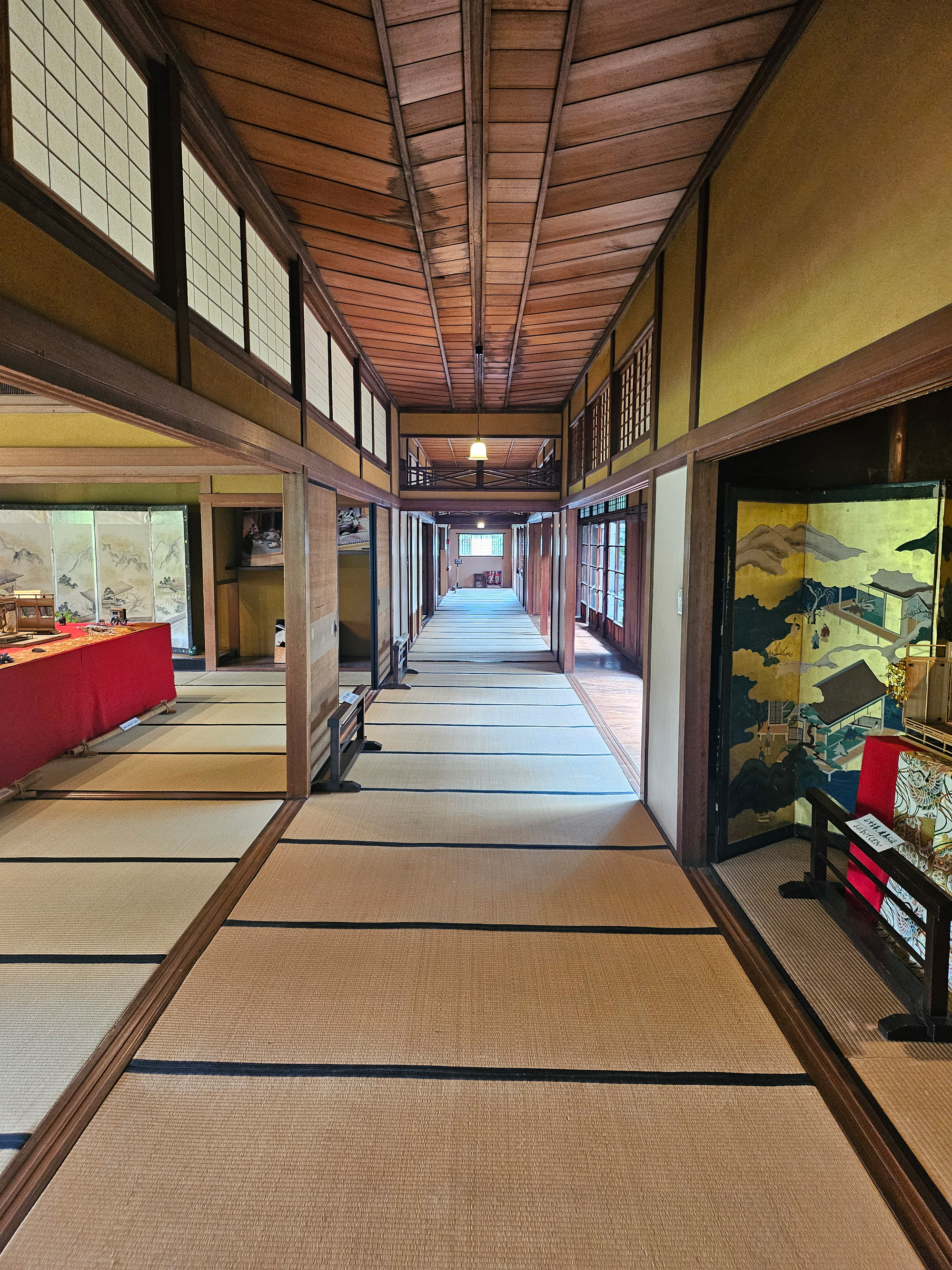
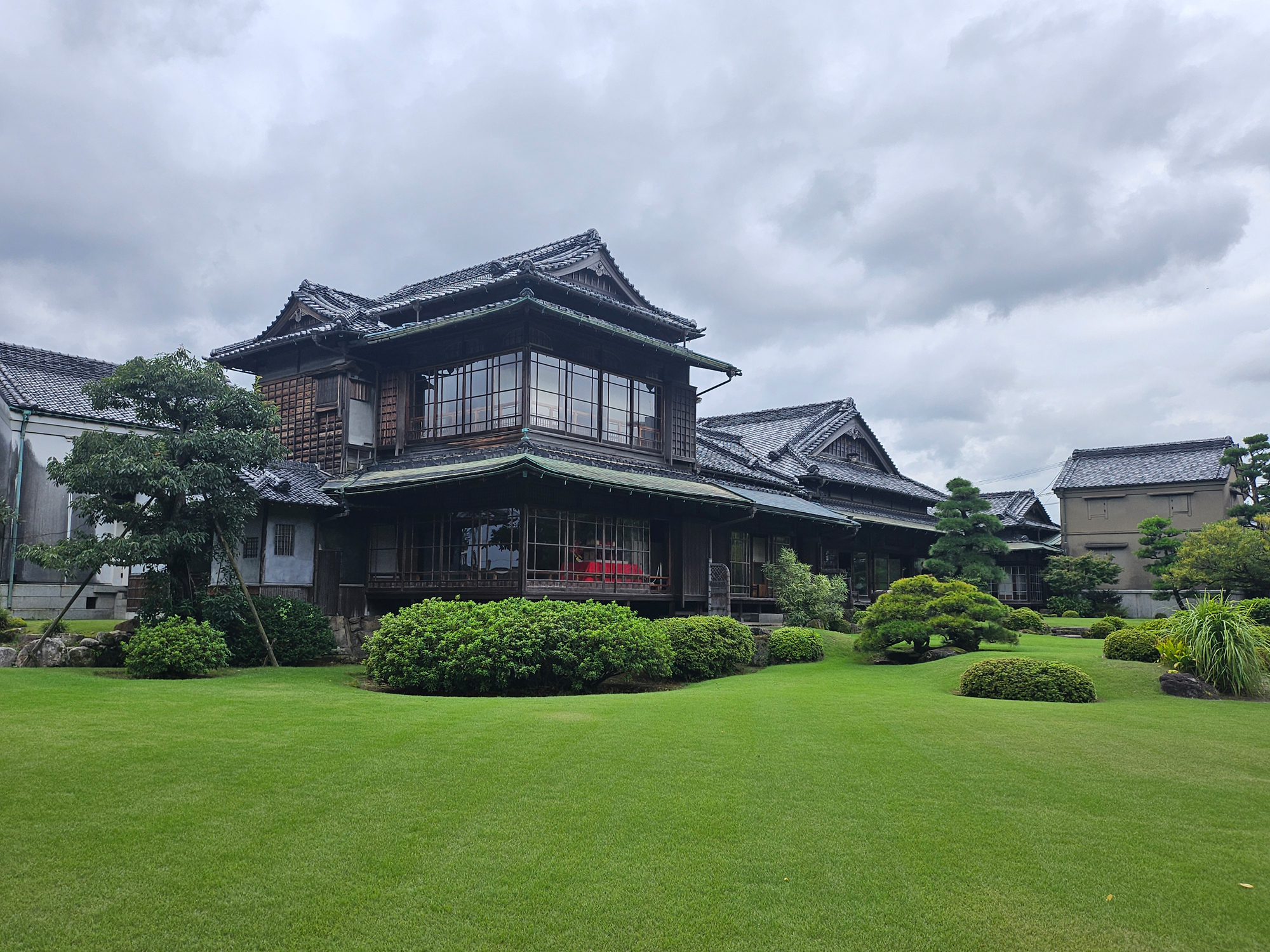
Wakamatsu-ku, Kitakyushu City, where the Wakamatsu Showroom is located, once prospered as the largest coal port in Japan. This coal was produced in Chikuho, one of the largest coal mining areas in Japan. Chikuho refers to the central region of Fukuoka Prefecture, and from the Meiji to Taisho periods, the Chikuho coal fields were responsible for approximately 50% of domestic coal production. Following Aso, Kaishima, and Yasukawa, the “Three Families of Chikuho,” was Den'emon Ito, a coal mining magnate.

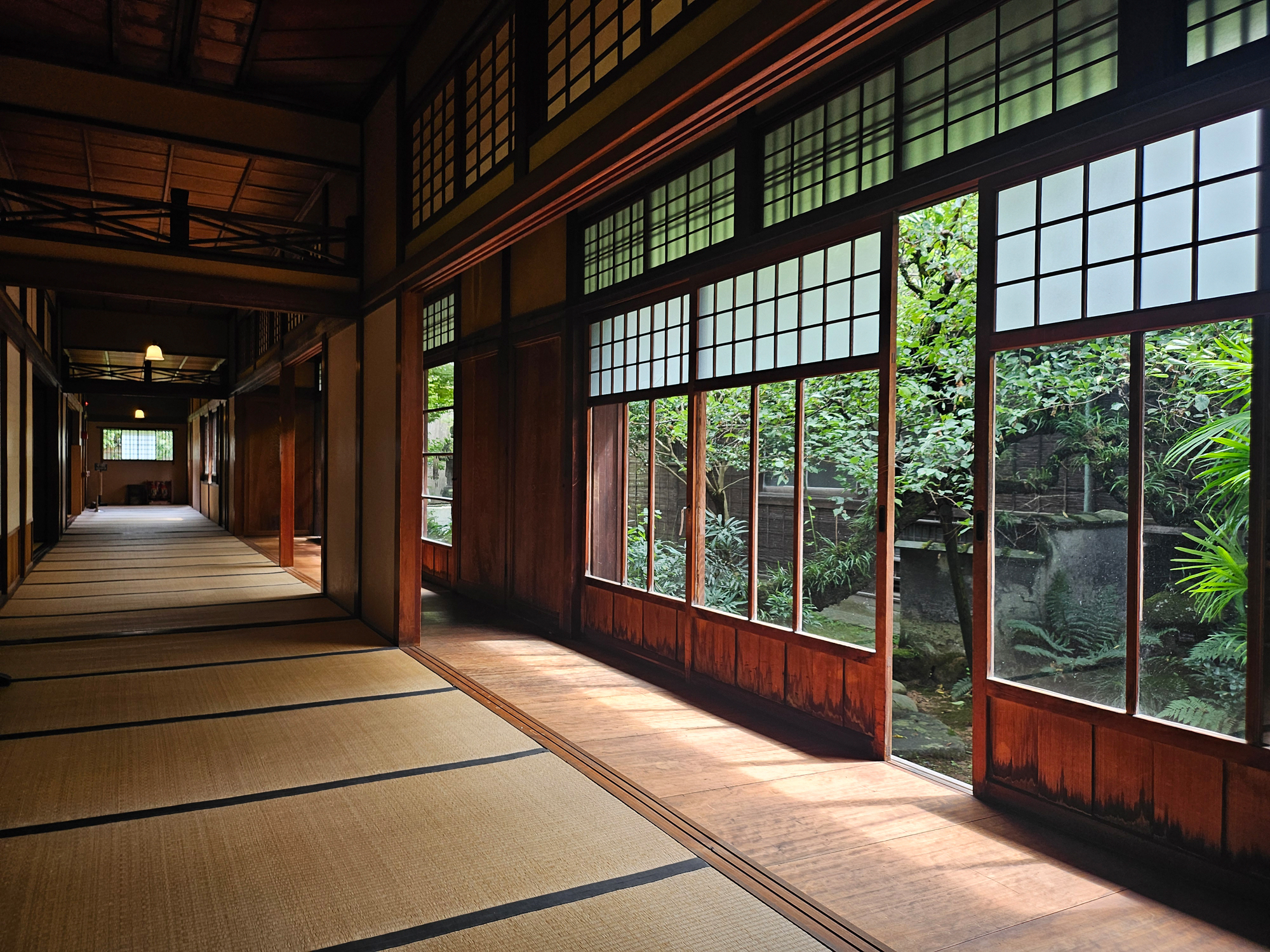
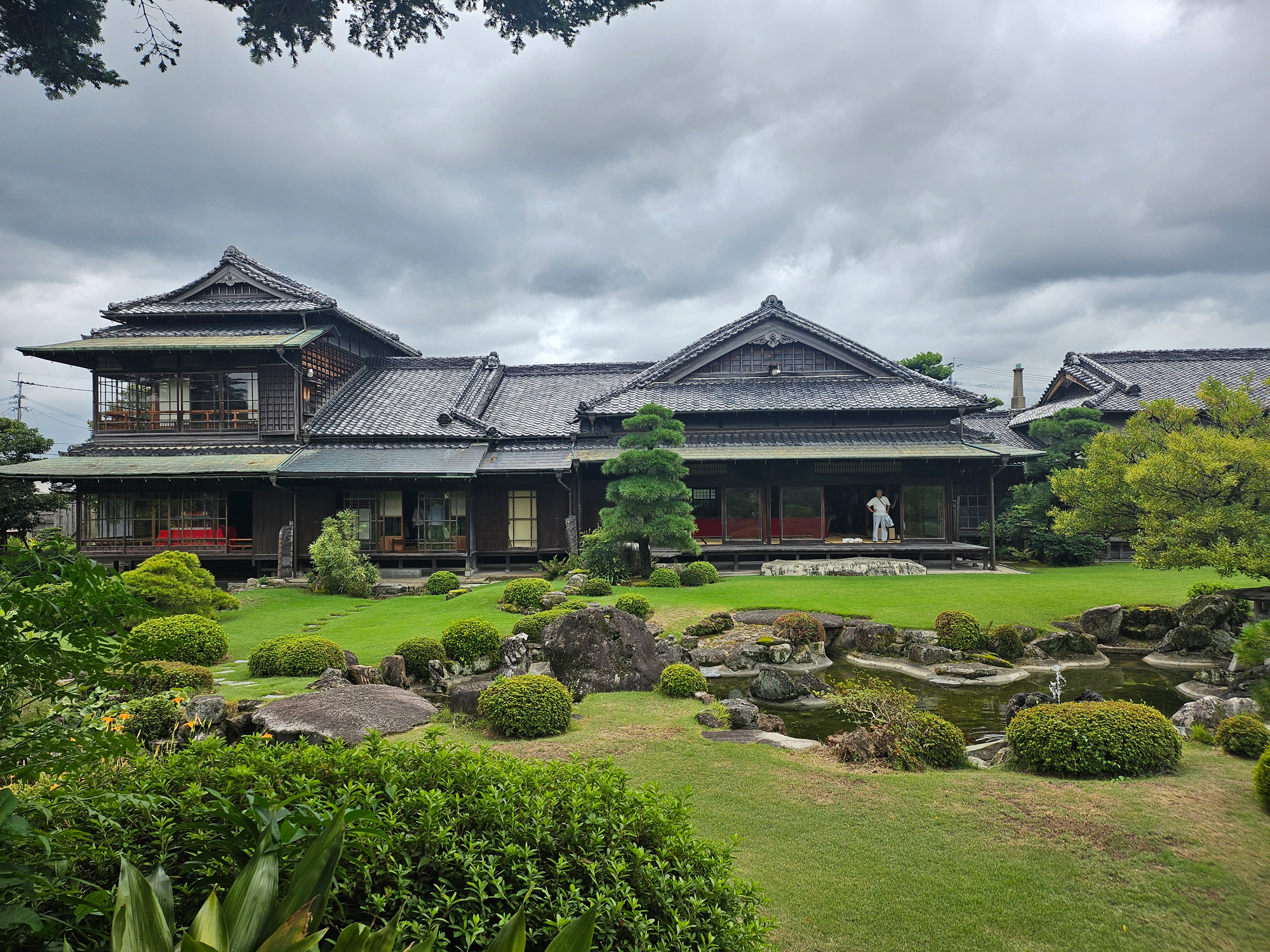
Den'emon Ito was born in 1861 in Iizuka City, Fukuoka Prefecture, Japan, and grew up in a poor family, working as a fish peddler and boatman. Later, the coal mining business he started with his father took off, and he expanded the business one after another until he became one of the “coal mine kings of Chikuho. The former Den'emon Ito residence is a large mansion with 25 rooms built by Ito on a vast site of approximately 2300 tsubo (about 1,000 square meters), and was designated as a National Important Cultural Property in 2020. When he welcomed his daughter, Akiko (Byakuren), Count Sakimitsu Yanagihara's daughter who had remarried after the death of his first wife, he brought in palace carpenters from Kyoto to carry out extensive renovations. The lavish craftsmanship of these artisans can be seen throughout the residence. Many of you may be familiar with the tumultuous story of the “political marriage” between the Yanagihara family by a 25-year age difference due to their financial difficulties, and the later elopement of Hakuren and the “open letter of insulation” to Den'emon, as seen in TV dramas.

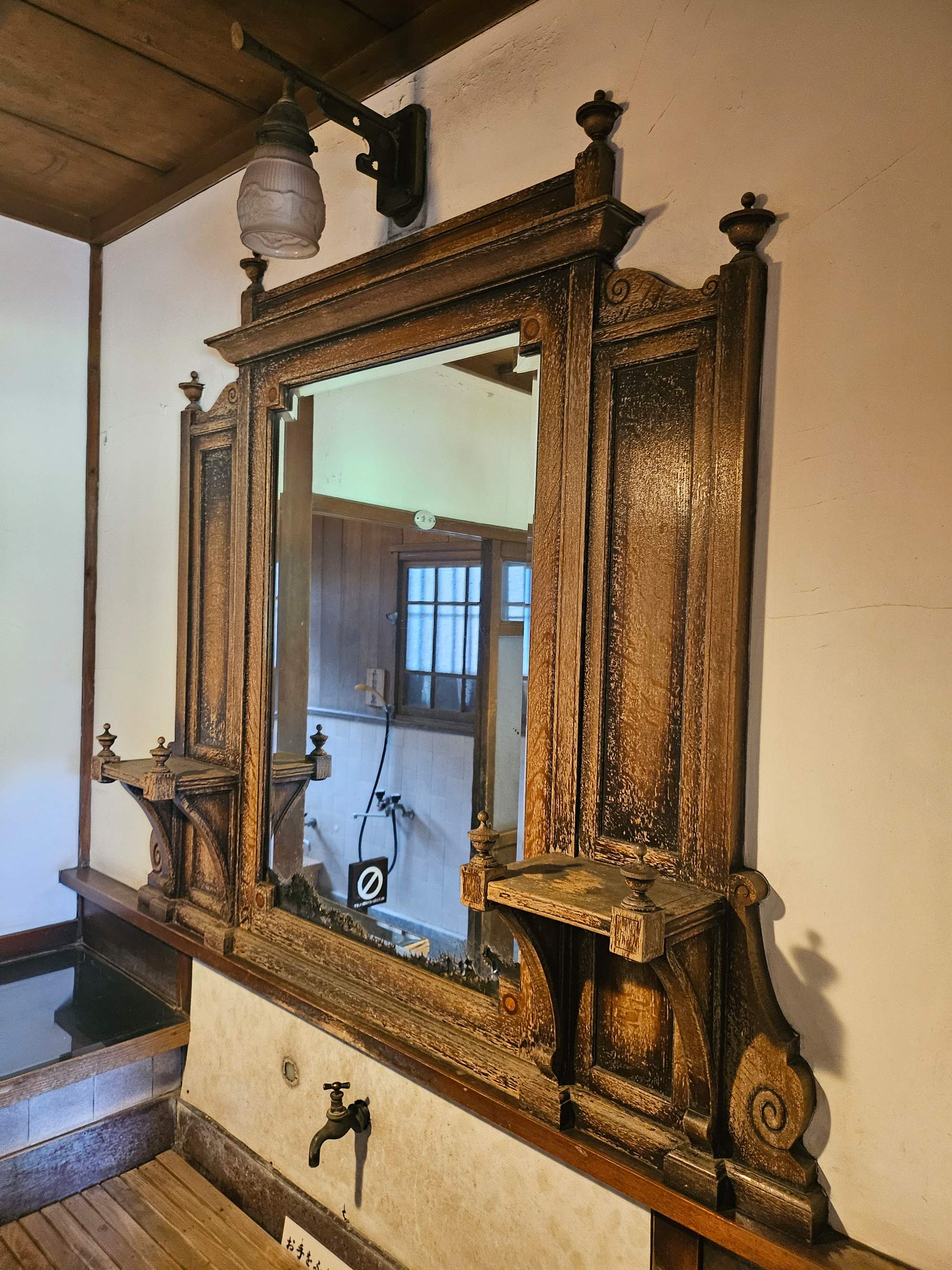
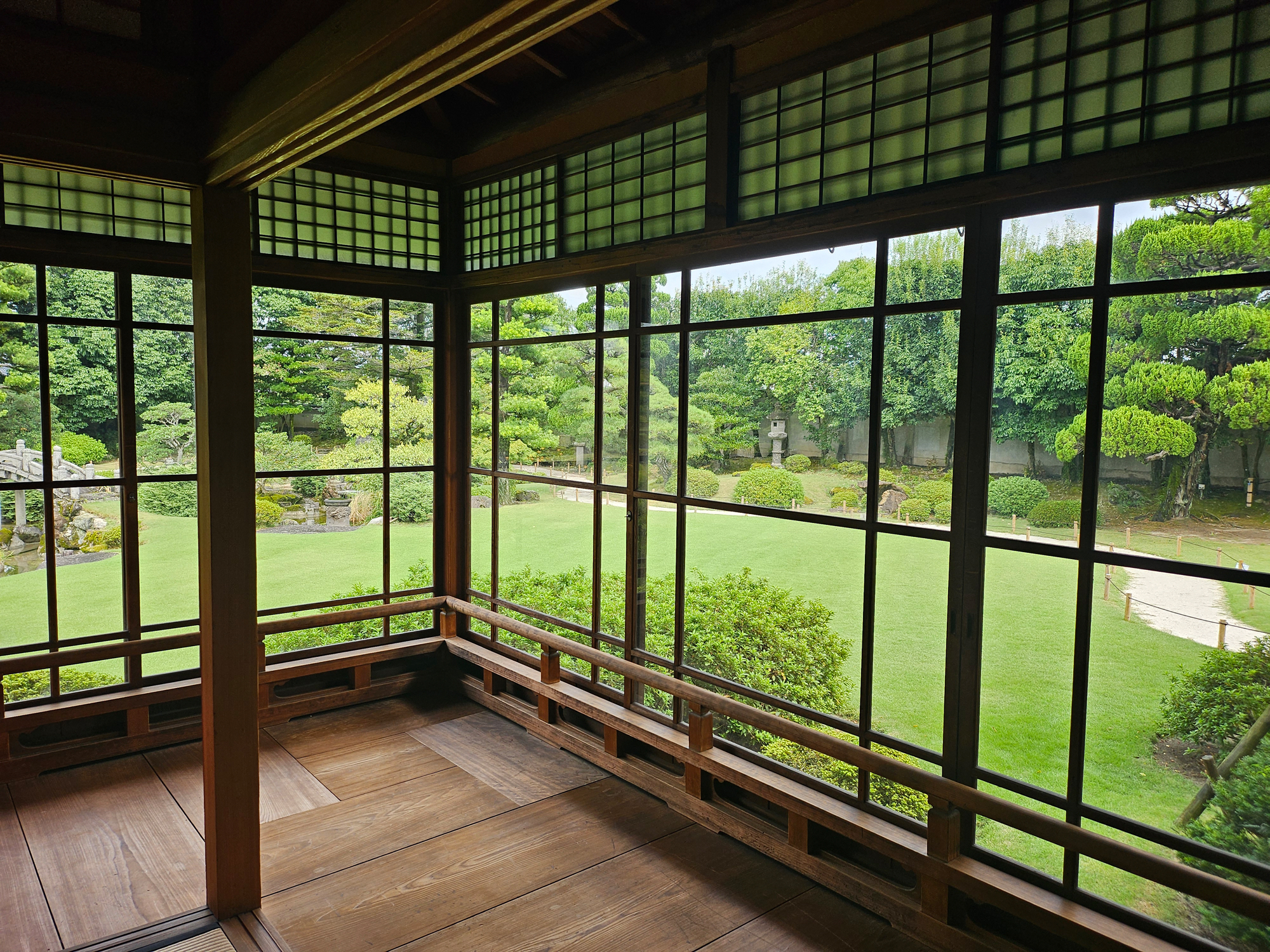
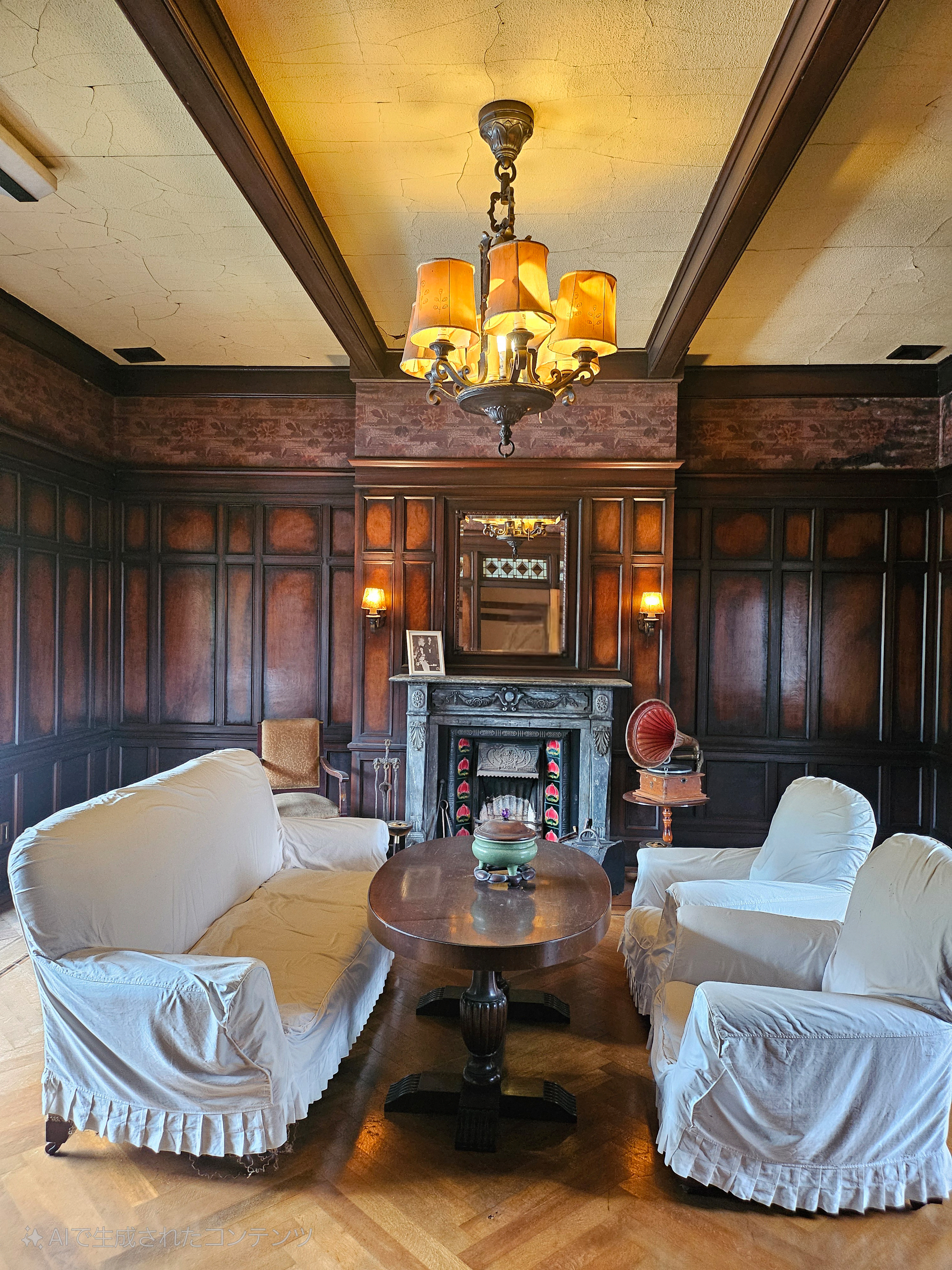
Entering the mansion from the front entrance, the first thing that will surprise you is the Western-style reception room. The Art Nouveau-style mantelpiece and beautiful diamond-shaped stained glass windows are a sight to behold, and the Western-style structure is hard to imagine from the purely Japanese exterior. The second-floor White Lotus room overlooks a beautiful Japanese garden. The residence is said to be the first of its kind in Kyushu. The residence also has a flush toilet, said to be the first in Kyushu, and everywhere you can see how Den'emon Ito put his heart and soul into his residence for Byakuren.

How about an outing course to visit places connected by coal, Wakamatsu and Chikuho? It takes about an hour by car from the Wakamatsu Showroom to the former Den'emon Ito residence, and although it takes a little longer, it is possible to get there by public transportation via JR or a local bus. Near the former Den'emon Ito residence is also Aso Ouraso. We look forward to seeing you at our Wakamatsu showroom, where a pleasant breeze blows through.

Wakamatsu Showroom
https://www.shokunin.com/jp/showroom/wakamatsu.html
Former Den'emon Ito Residence
https://maps.app.goo.gl/CoHGiPENPKRznavF8
Aso Oura-so Special Autumn Open House
https://kankou-iizuka.jp/topic_5/

References
https://www.kankou-iizuka.jp/denemon/
https://www.aso-group.jp/history/achievement_18.html
https://ja.wikipedia.org/wiki/%E4%BC%8A%E8%97%A4%E4%BC%9D%E5%8F%B3%E8%A1%9B%E9%96%80
https://www.city.iizuka.lg.jp/shokokanko/kyoiku/leisure/kanko/dennemon/index.html

S__38567938

S__38567940

S__38567941

S__38567942

S__38567943

S__38567944

S__38567945

S__38567946

[Kyoto Prefectural Library]

Okazaki is a major cultural zone in modern Kyoto, where museums and theaters are gathered. Okazaki was developed on the site of the 4th National Industrial Exhibition held by the government in 1895. The Kyoto Prefectural Library is one of the most atmospheric Western-style buildings in the area that reminds us of a bygone era. It is a familiar sight to those who live in Kyoto, but when one turns around, one is surprised at how luxurious it is that anyone can pick up a book and read it in such a building.

The predecessor of the Prefectural Library, “Shushoin,” was established by Kyoto Prefecture in 1873. Although the Ministry of Education opened the “Shushokan” in Tokyo in 1872, it was the first public library in Japan to open its doors to the public. The Shushoin was built in a place called Sanjo Higashinotoin, so it was very close to the Sanjo Showroom, but unfortunately, no building remains. Later, in 1898, the Kyoto Prefectural Library was opened on land leased in the Kyoto Gyoen. In 1909, the library moved to its current location and opened as the Kyoto Prefectural Kyoto Library with a collection of 50,000 volumes. The building was designed by Goichi Takeda (1872-1938). He was a master of modern Japanese architecture, known for his design of the National Diet Building, and also designed the Kyoto City Hall and the Kawaramachi Annex of Shimadzu Corporation (now Fortune Garden Kyoto), among others.

The director of the museum at the time of its opening in Okazaki was the fourth generation, Kichiro Yuasa (1858-1943). He was born in Annaka (now Gunma Prefecture), the same hometown as Jo Niijima (1843-1890), the founder of Doshisha University. When Niijima stopped by his hometown immediately after his return from America, Yuasa was among the dozens of people who were baptized and inspired by his words. He later entered Doshisha English School and studied under Niijima, becoming the first graduate of the theology department. Yuasa had helped his older brother establish a private library when he was in his teens, and after graduating from Doshisha, he went to the United States to study library science. As director of the library, he worked to improve the library system, which is now taken for granted, by introducing the decimal classification system, setting up a children's reading room, and implementing the off-site lending of books.

The library also functioned as an art museum when it first opened, holding exhibitions of works such as Yumeji Takehisa's solo exhibition (1907, Taisho 7) and Ryusei Kishida's solo exhibition (Taisho 9). Yuasa, who was also a rare literary talent versed in poetry and playing the heike biwa (Japanese lute), was active in art exhibitions, and it seems that the prefectural library's stance attracted a great deal of attention from all over Japan.

Eventually, the Meiji era saw the flowering of civilization and the Taisho democracy. It is not difficult to imagine that the existence of libraries must have had a considerable impact on people. The richness of the culture we enjoy today, in which anyone can find and read any book he or she wants to read, seems to be multiplied when we remember that it was built one by one by our predecessors, one by one, through their own efforts. The Kyoto Prefectural Library, which strongly led modern Kyoto, stands proudly with its history today.

Kyoto Prefectural Library
https://maps.app.goo.gl/Gc7okM9WM1CR8UiB8
Sanjo Showroom
https://www.shokunin.com/en/showroom/sanjo.html

References
https://www.doshisha.ac.jp/attach/page/OFFICIAL-PAGE-JA-395/141311/file/24PeopleBiblio.pdf
https://www.library.pref.kyoto.jp/about/history
https://www.library.pref.kyoto.jp/contents/wp-content/uploads/2019/04/yuasa.pdf
https://jp.shokunin.com/archives/52024017.html