December 2024

a

b

c

c1

c2

c3

c4

c5

c6

c7

[Iwamoto Kiyoshi Shoten has been added]

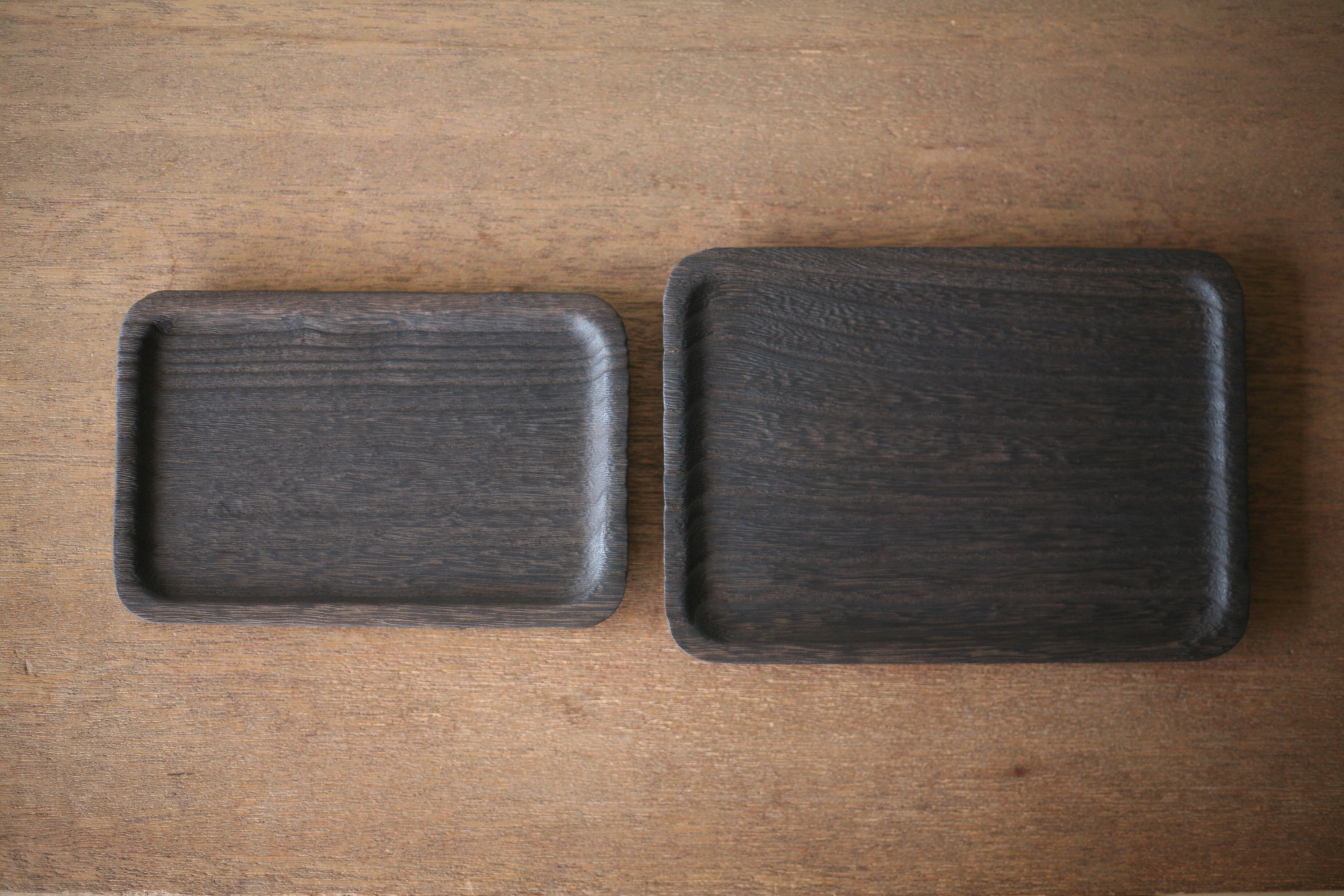
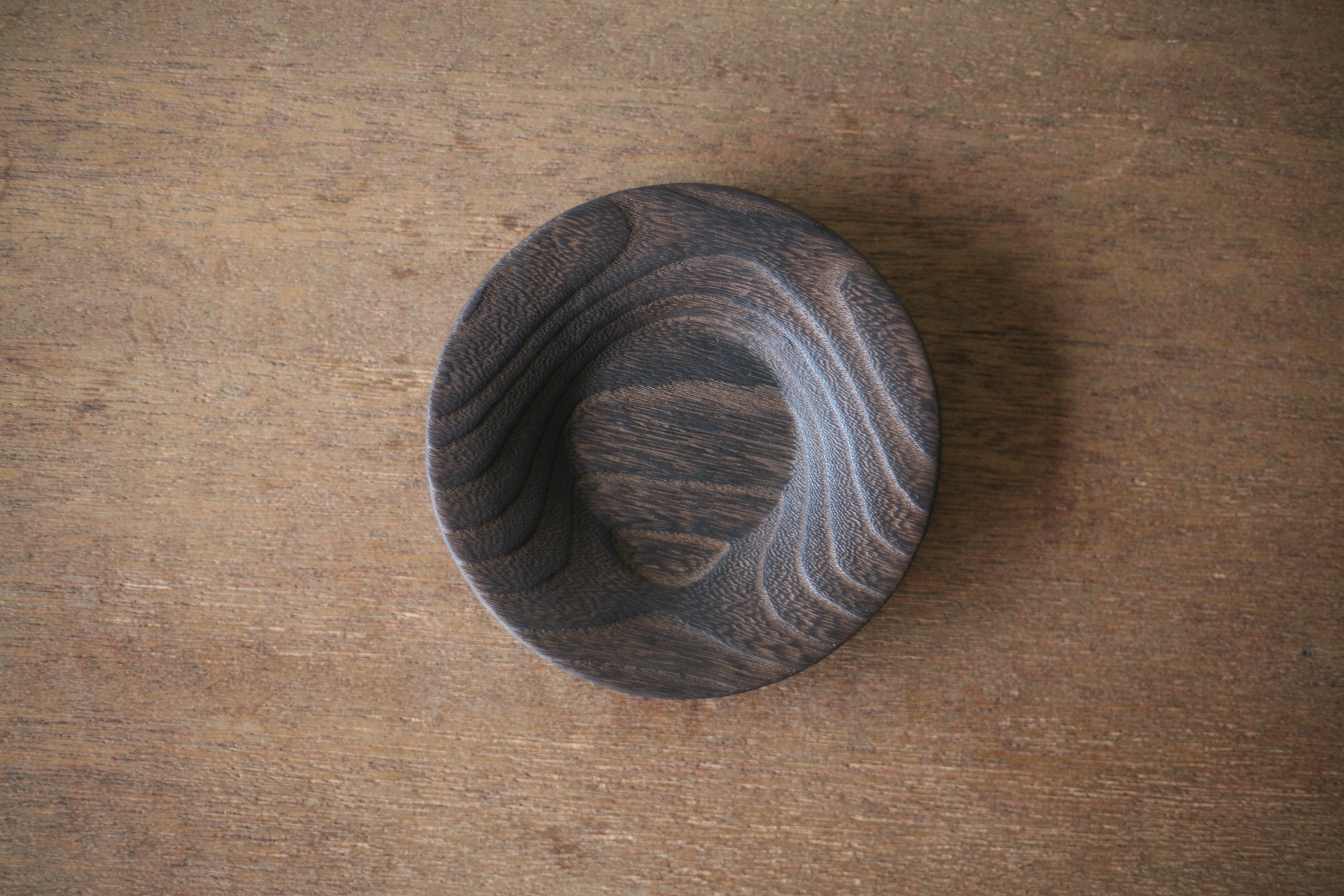
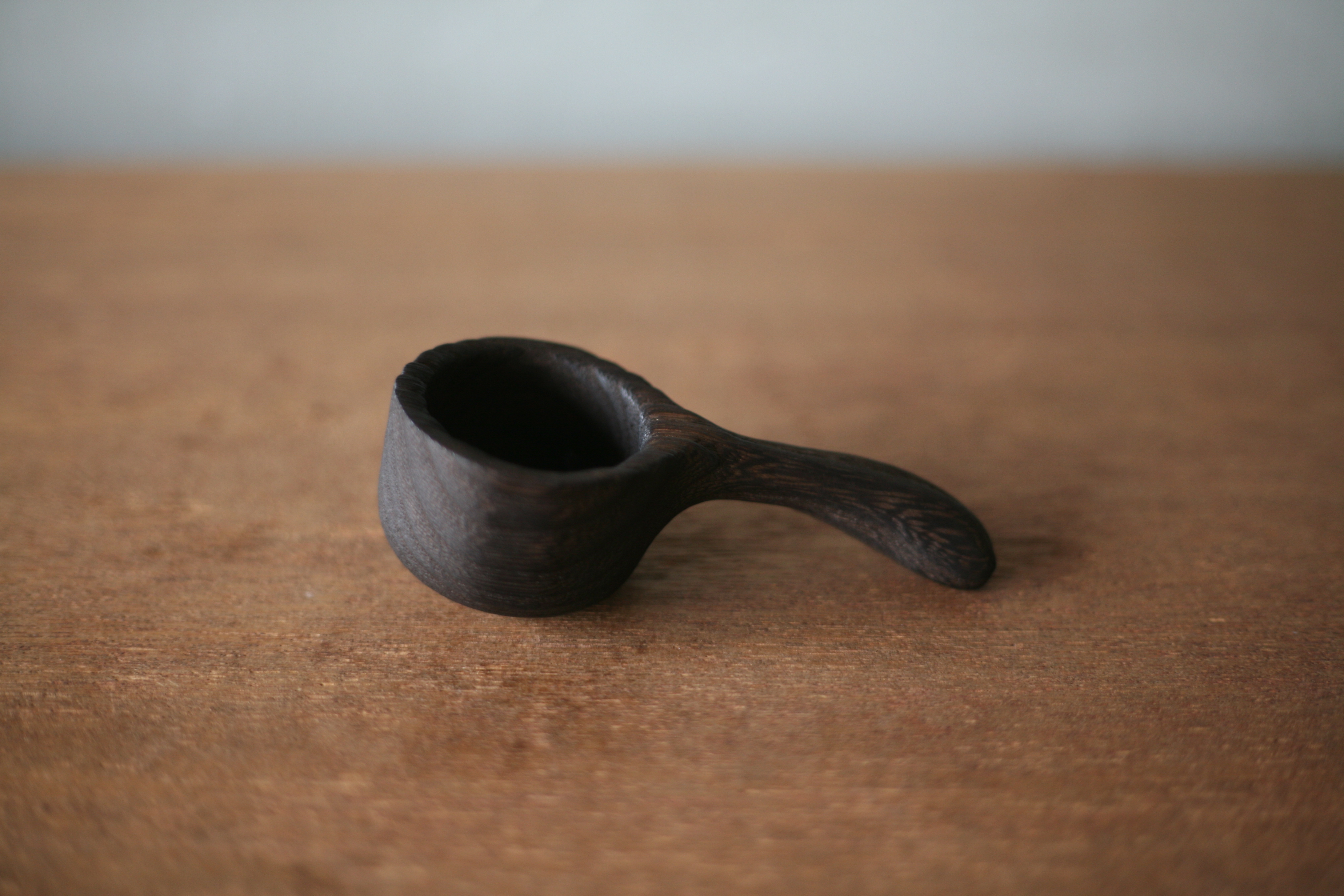
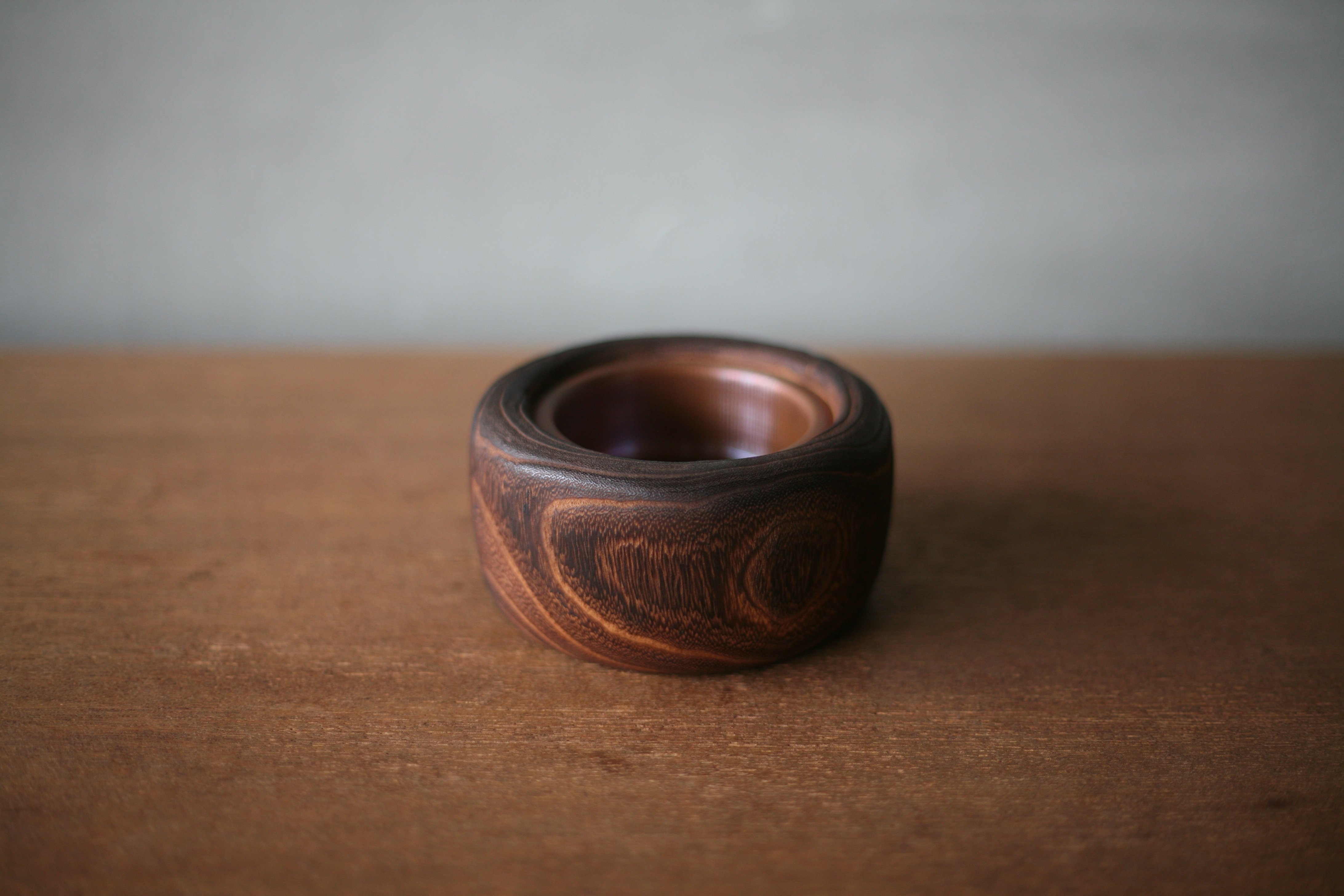
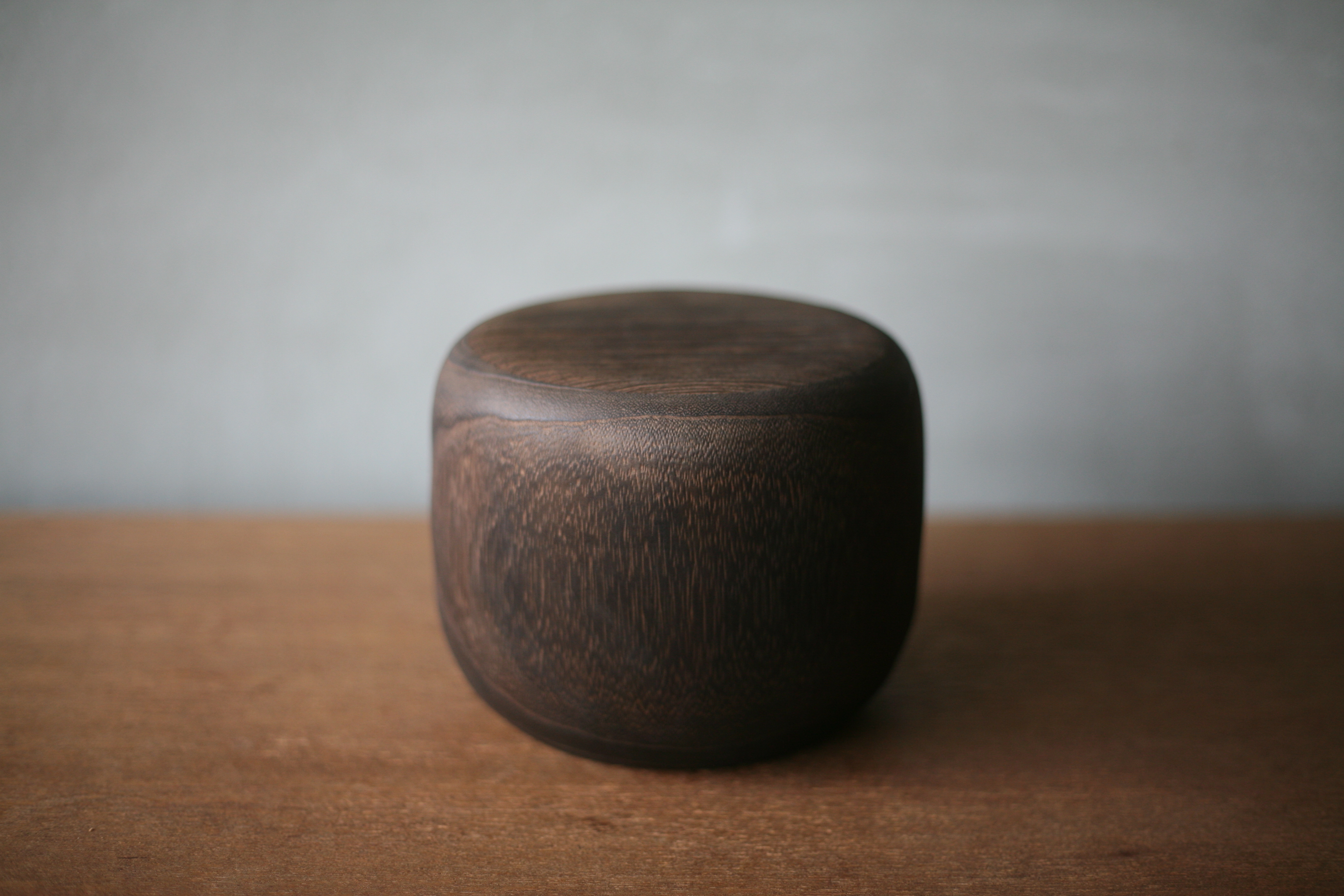
Kanazawa paulownia craft is a unique traditional craft born in Kanazawa, a castle town where the tradition of Kaga Hyakumangoku still lives.

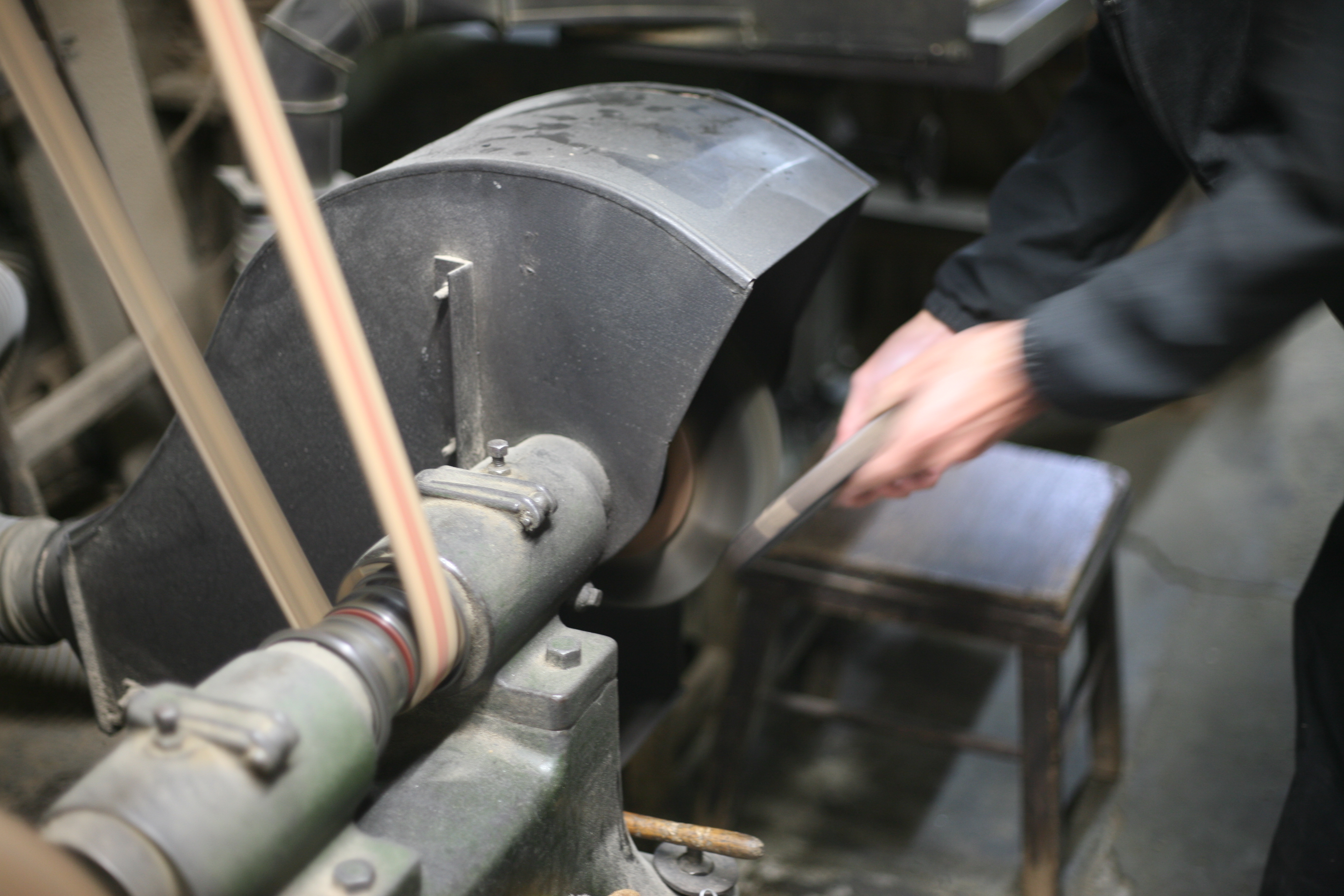
It originated in paulownia braziers, which had many advantages as practical heating furnishings from the Edo period (1603-1867) to the early Showa period (1926-1989). The fusion of high-quality paulownia wood, unique to the snowy country, the rokuro-kijishi's skills, and the Kaga maki-e tradition, became the foundation of Kanazawa paulownia craft. After paulownia wood is ground on a potter's wheel, it is dried thoroughly and the surface is burnished with a strong fire to give it a unique burnished surface that is elegant, soft, and warm in appearance.

Kanazawa paulownia craft is highly regarded for its beauty and practicality, and was designated as a traditional craft by Ishikawa Prefecture in 1988. We hope you will enjoy the color and luster that increases as you use it more and more at home.

Iwamoto Kiyoshi Shoten's Kittebon
https://www.shokunin.com/en/iwamoto/bon.html
Iwamoto Kiyoshi Shoten's Chataku
https://www.shokunin.com/en/iwamoto/chataku.html
Iwamoto Kiyoshi Shoten's Coffee Bean Spoon
https://www.shokunin.com/en/iwamoto/coffeespoon.html
Iwamoto Kiyoshi Shoten's Bowl
https://www.shokunin.com/en/iwamoto/hachi.html
Iwamoto Kiyoshi Shoten's Chopstick Rest
https://www.shokunin.com/en/iwamoto/hashioki.html
Iwamoto Kiyoshi Shoten's Mame Hibachi
https://www.shokunin.com/en/iwamoto/hibachi.html
Iwamoto Kiyoshi Shoten's Hibachi Stool
https://www.shokunin.com/en/iwamoto/stool.html
S__154984477

S__154984479

S__154984480

S__154984481

S__154984482

[Salmon Soup]

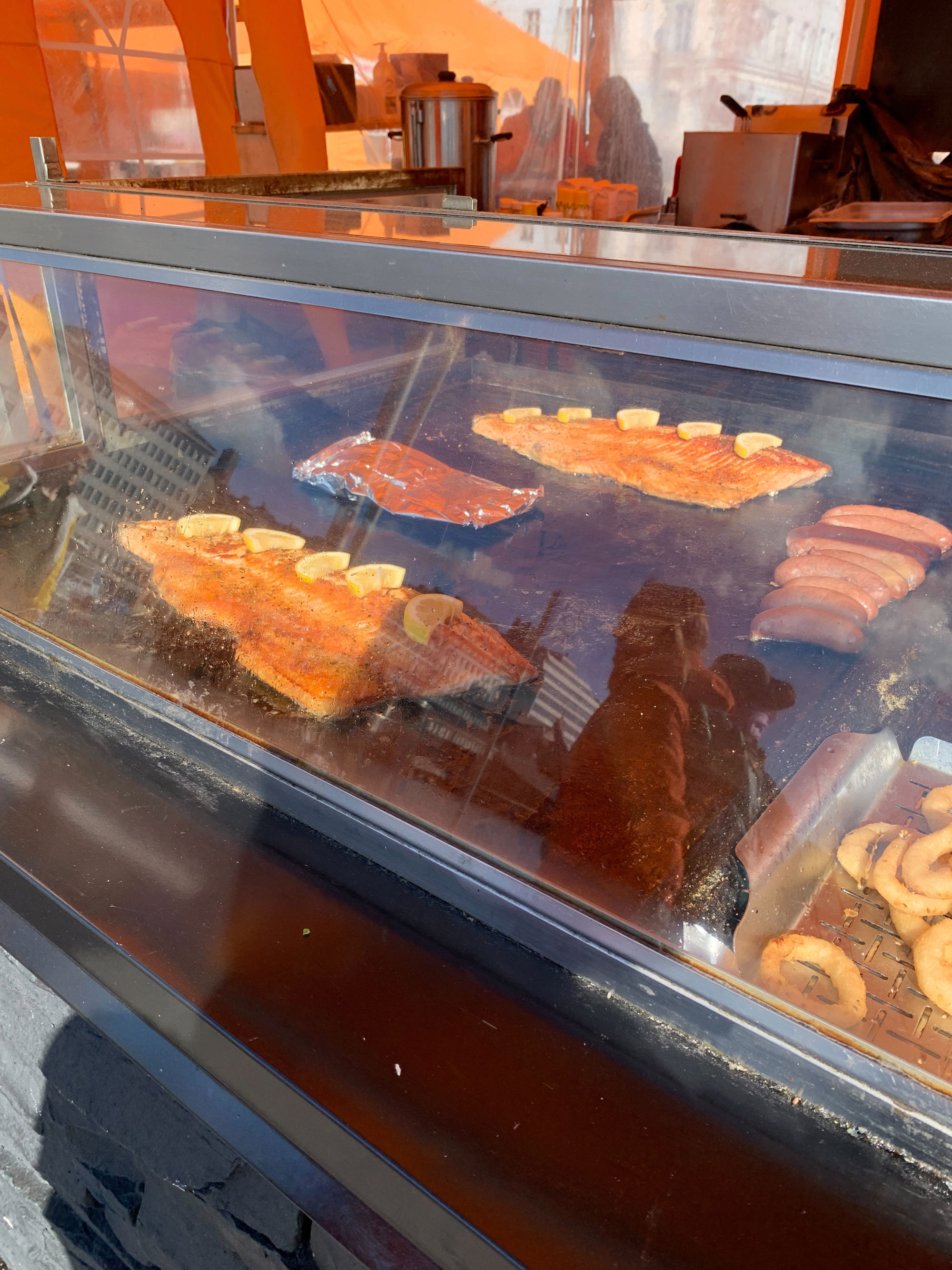
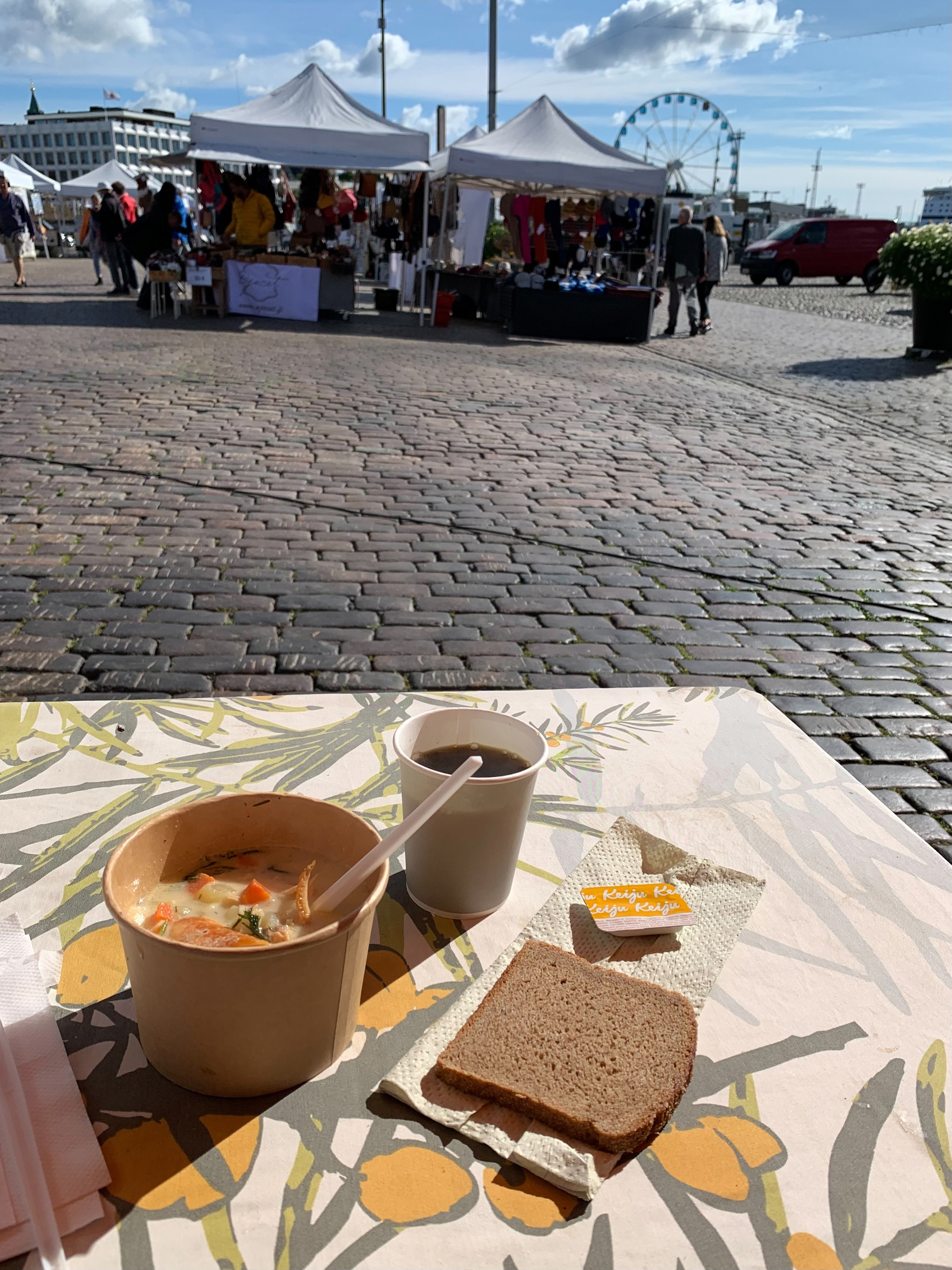
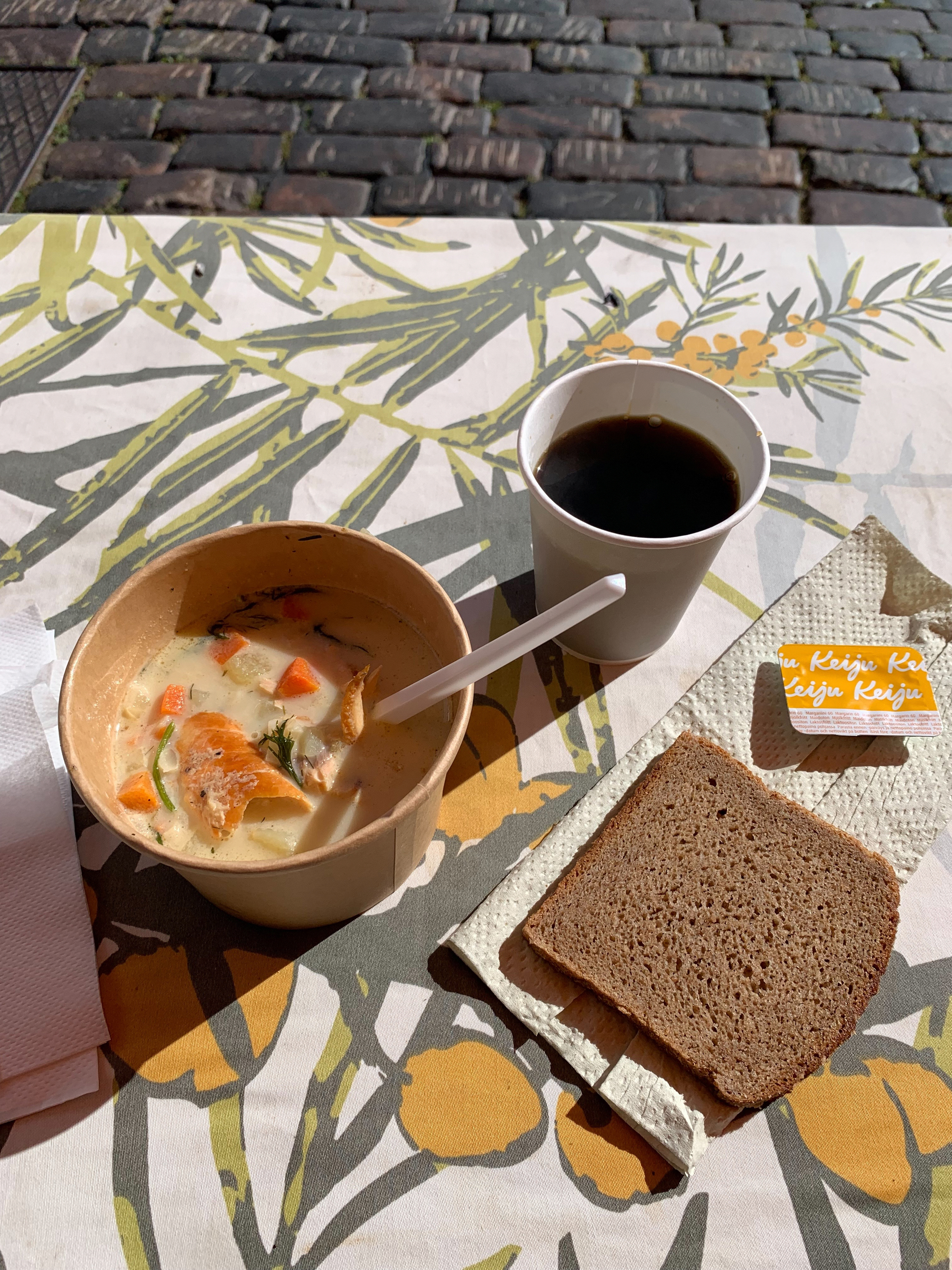
Salmon soup is a local Finnish dish. I have never forgotten the taste of the salmon soup I had at a market stall in Helsinki, and I always want to eat it again in winter.

It is called “lohikeitto” in Finland, where “lohi” means salmon and “keitto” means soup. Salmon is eaten not only in Finland but also in many Nordic countries such as Norway and Denmark. Norwegian salmon, which is often found in Japan, is characterized by its thick meat and bright salmon pink flesh. Salmon farms in Norway, Canada, and Chile are called “Atlantic salmon,” but salmon raised in Norway's special environment are called “Norwegian salmon” and are considered sweeter and more fatty.

The waters off the coast of Norway, where salmon are farmed, are fed by the Gulf Stream, the world's largest ocean current along with the Kuroshio Current, which keeps the water temperature at an optimum level for salmon growth without freezing in winter. In addition, young salmon grow up in meltwater from the Norwegian mountains, and the meltwater pours directly into the fjord, creating the optimum salinity for salmon growth. Furthermore, because few people live around the fjords, there is very little wastewater, and the environment is kept very clean.

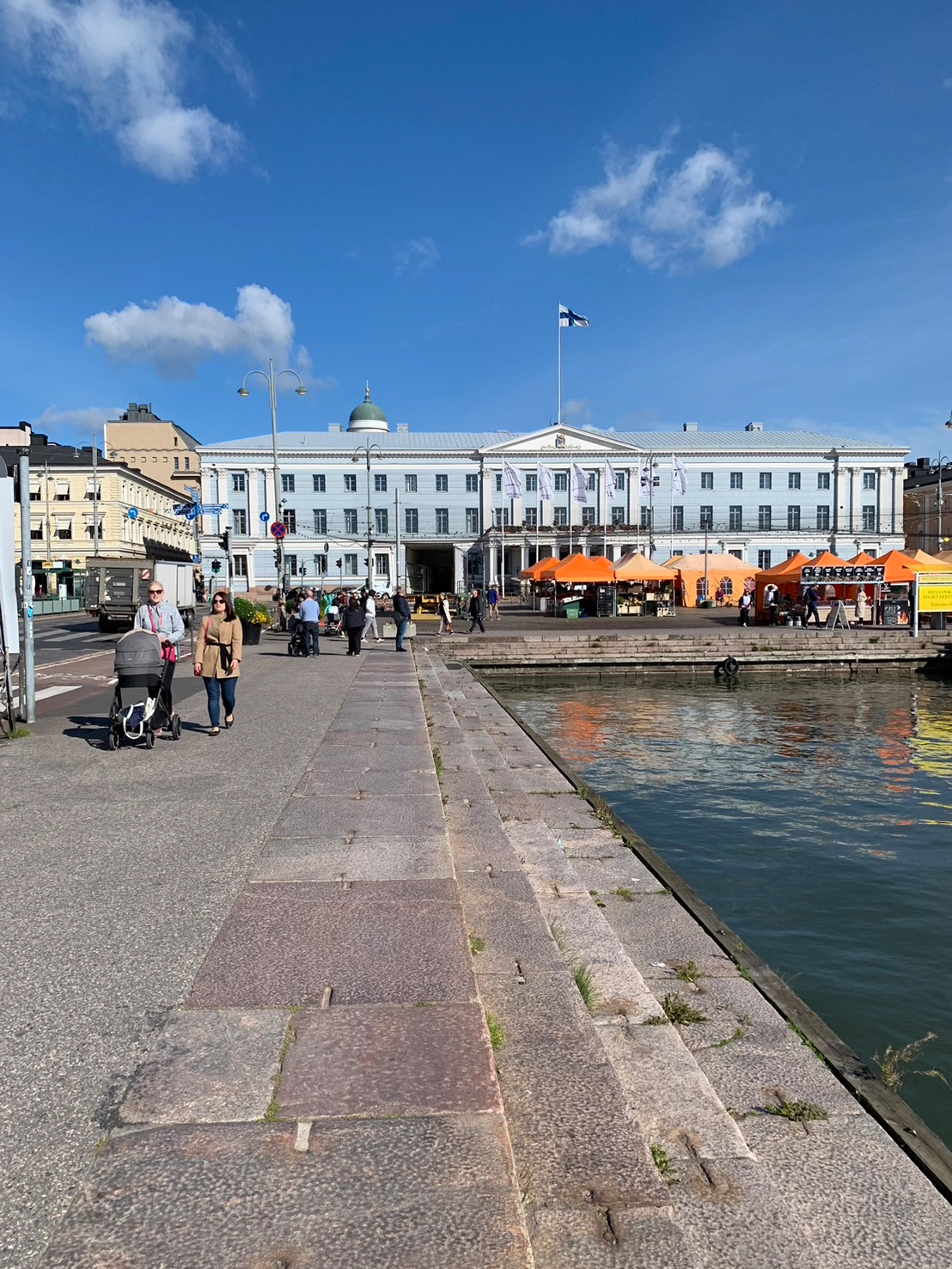
Salmon soup is the main ingredient in this delicious, everyday dish for the people of Scandinavia. The first thing I tasted when I arrived in Finland was salmon soup from a food stall in the “market square (Kauppatori)” near the harbor. It was a hearty salmon soup with potatoes, carrots, onions, and dill on top. The soup was creamy, lighter than expected, but rich, with a refreshing dill accent that did not disappoint. It is an exotic yet comforting taste that every Japanese person loves. It is also very healthy for the body.

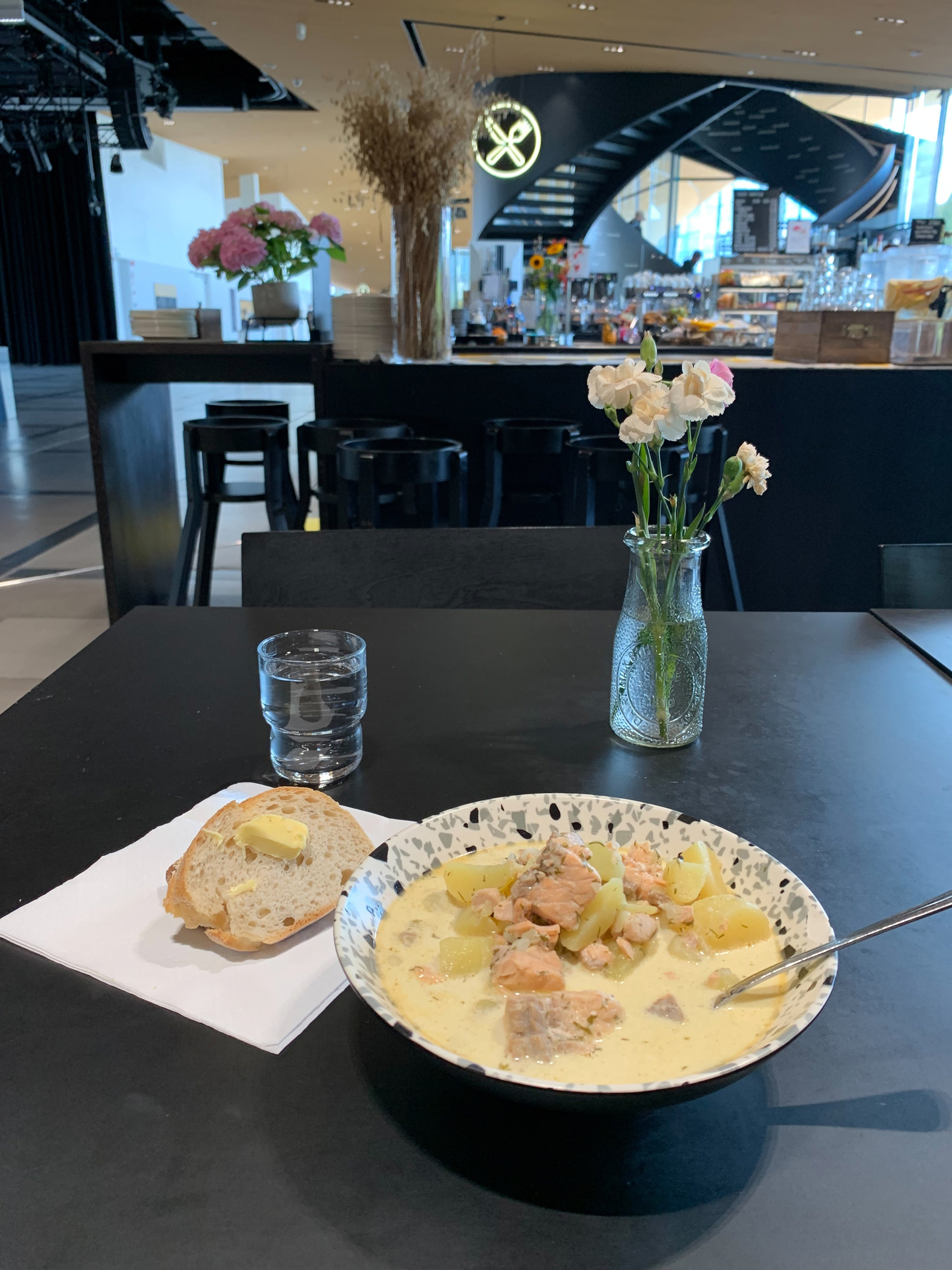
Basically, when I go abroad, I like to try as many different kinds of food as possible on a limited schedule, but I couldn't help but repeat the salmon soup. I ordered the salmon soup at a café in the Helsinki Central Library, and to my surprise, they offered free refills. I enjoyed it to my heart's content, dipping it in buttered bread. It is a simple dish, and fortunately salmon is readily available in Japan, so I would like to try making it at home with the right ingredients.

Kauppatori
https://maps.app.goo.gl/cwRb4WpiJxDEJSg99
Helsinki Central Library
https://maps.app.goo.gl/sWrJoSPEisxrHR9s9

References
https://www.meiji.co.jp/meiji-shokuiku/worldculture/recipe/finland1/
https://ja.wikipedia.org/wiki/%E3%83%AD%E3%83%92%E3%82%B1%E3%82%A4%E3%83%83%E3%83%88
https://delishkitchen.tv/articles/2235#contents5

S__41058318

S__41058320

S__41058321

S__41058322

S__41058323

[Pot Pie Soup]

It's that time of year when you want to warm yourself from the inside out with delicious soup. Why not turn your favorite soup into a pot pie soup on a winter day?

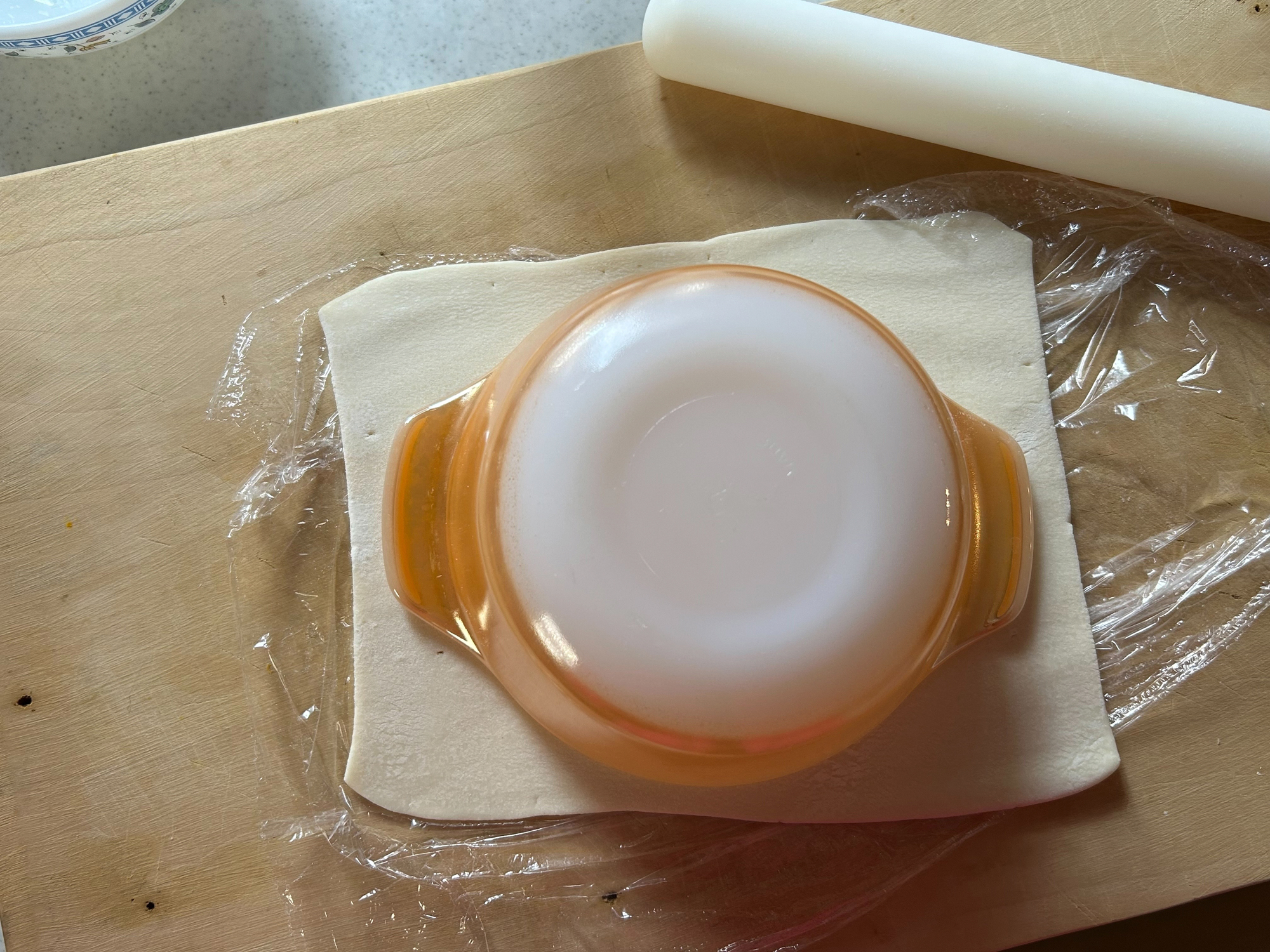
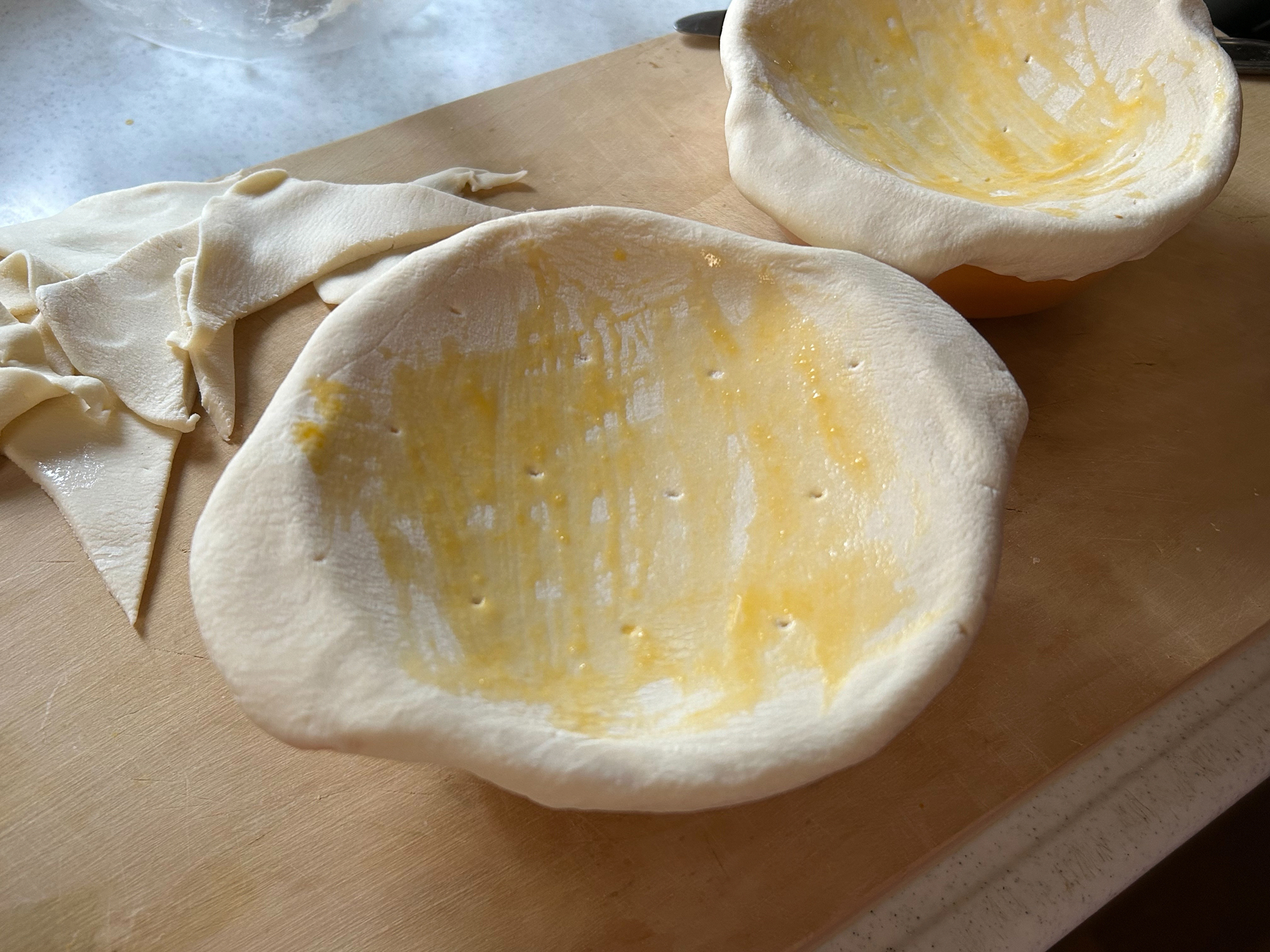
Preheat the oven to 200°C. Place a half-thawed frozen pie sheet on a cutting board lined with a cookie sheet, place a heatproof container face down to cover the pie, and cut out a large piece of pie dough with a bamboo skewer or the like.

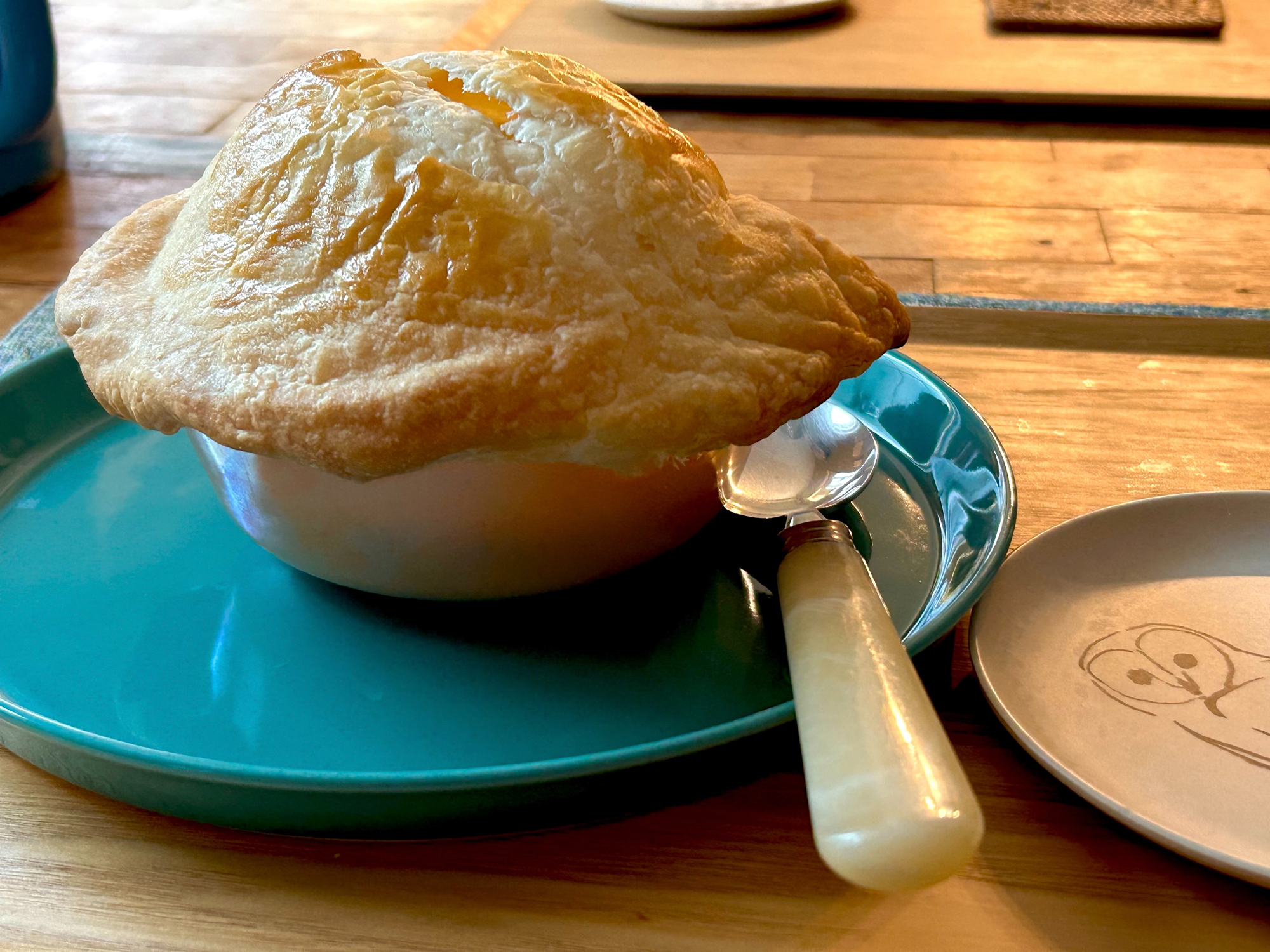
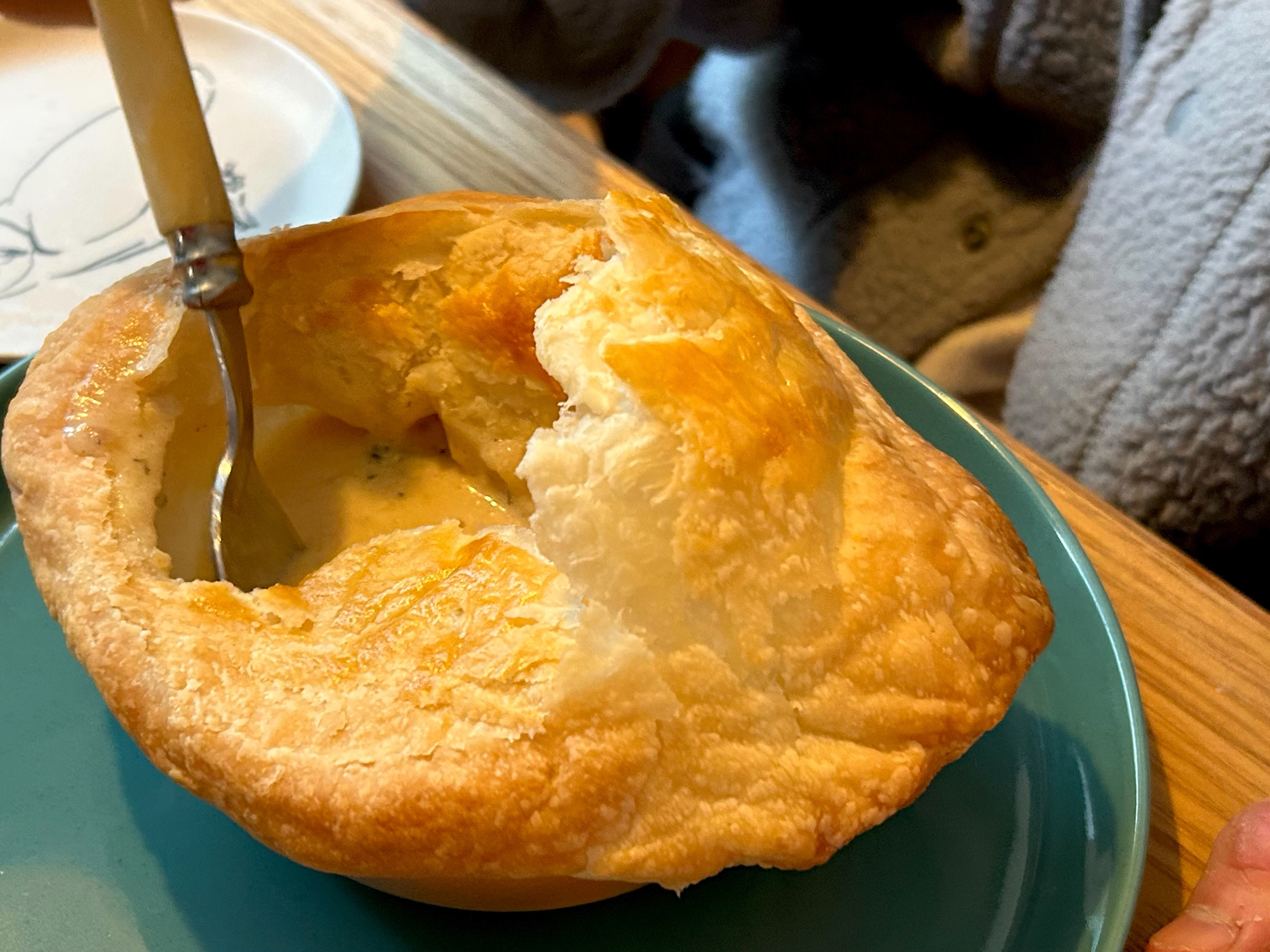
Once the pie dough is cut out, place it in the refrigerator, gently warm the soup, and pour it into the container. Dip the edges of the bowl in water with your fingers, cover the pie crust quickly, and bake in the oven for about 15 minutes until the crust is browned. Cream soups such as clam chowder or potage go well with this dish, but it can also be made into minestrone or beef stew.

It's a festive and special treat, and eating the puffy pie while breaking it up with a spoon is a great conversation starter. It may be fun to make this pie with your children during the winter holidays.

Hasami's Plate
https://www.shokunin.com/en/hasami/plate.html
Yoshita Handi-Design Studio's Renge Spoon
https://www.shokunin.com/en/yoshita/cutlery.html
Futagami's Soup Spoon
https://www.shokunin.com/en/futagami/cutlery.html