July 2022

1

2

3

4

[Diary to Regulate Body and Mind]

As our lifestyles have changed, we have fewer opportunities to talk to someone in person than before. Online web conferencing and meetings have also increased, and some people may be experiencing a different kind of stress than before. One way to regulate your mind and body is to keep a diary.

"Expressive writing (written disclosure)" is a psychotherapy technique that originated in the 1980s and is an emotional diary therapy that is being studied mainly in Europe and the United States. It is a method of organizing thoughts by writing down on paper what you are thinking and what comes to your mind. Writing on paper helps you to organize your feelings, and verbalizing your thoughts helps you to analyze the causes and control your emotions. Research has shown that simply writing down honestly what happened that day and the anxieties and worries you are feeling now can increase your sense of well-being and decrease negative emotions. It has also been reported that by honestly spelling out negative emotions, one's emotional control is improved and one becomes more resilient to stress in interpersonal relationships.

Doctor Hiroyuki Kobayashi recommends the "three-line diary" health practice. By keeping a handwritten diary before going to bed, the autonomic nervous system is regulated and the body and mind can be controlled. The state of the autonomic nervous system, which controls vital functions such as breathing and body temperature regulation, cannot be consciously changed, but it can be controlled by one's actions. The content of the diary should be a concise three-line summary of the day's "bad things (things that didn't go well, things you didn't like)," "good things (things that went well, things that impressed you, things that made you happy)," and "goals for tomorrow (even trivial things that caught your attention). Reflecting on your day allows you to be objective about your experiences, and writing carefully helps to calm your mind and stabilize shallow breathing.

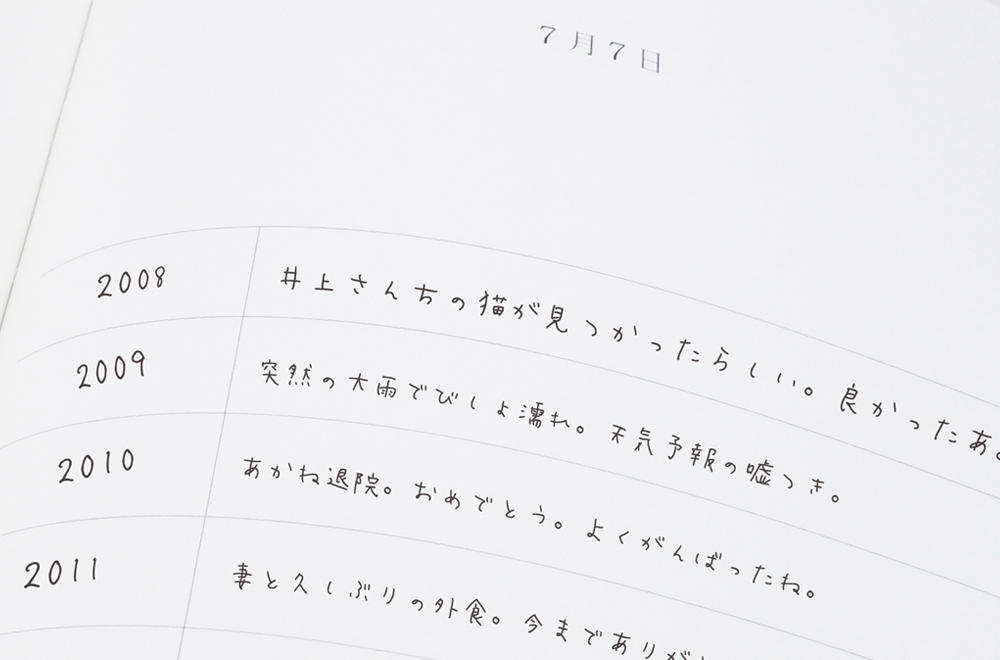
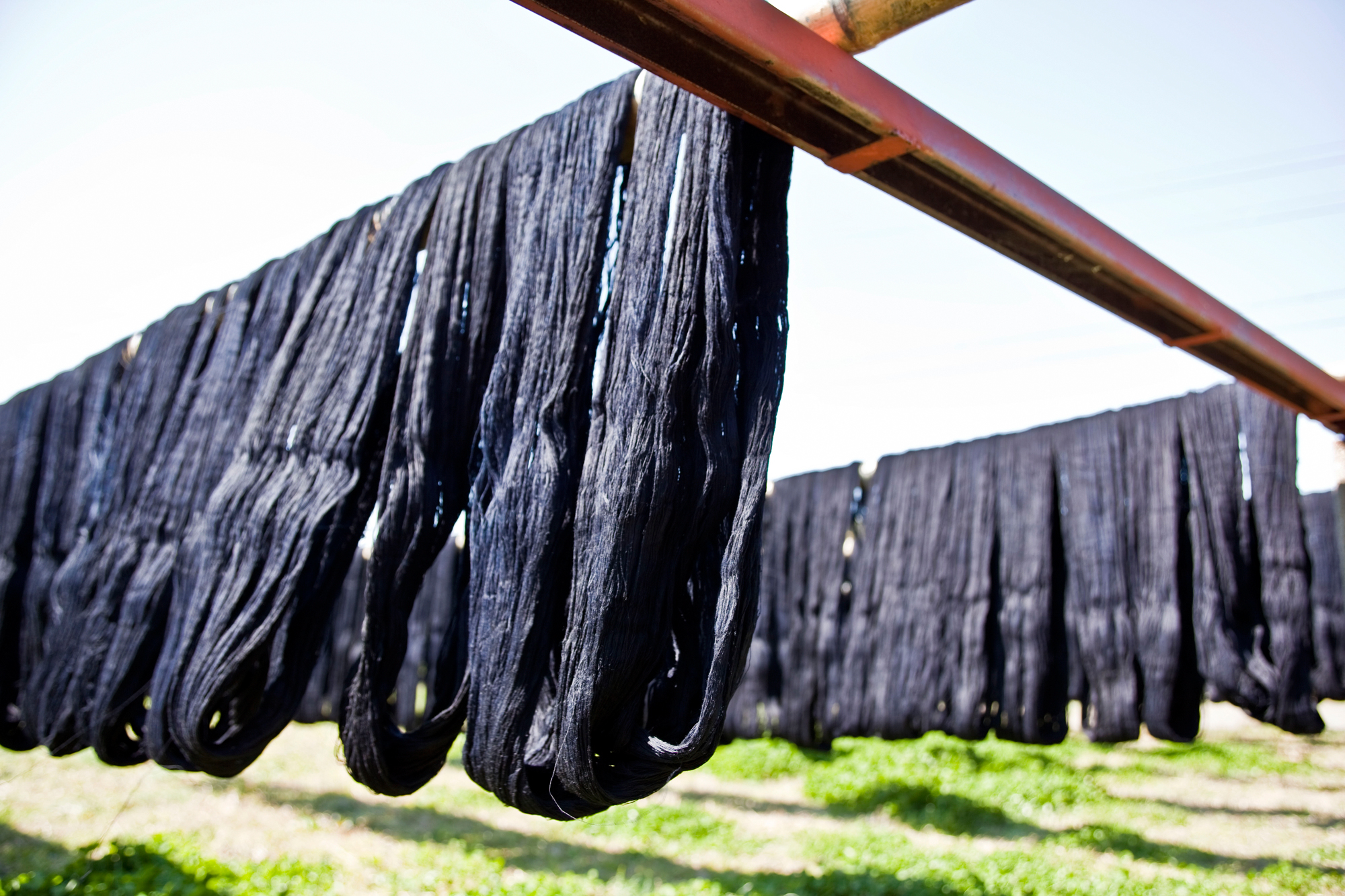
Marukawa Shoten's Hijiki is a diary for 10 years. The cover is fully covered in plain indigo (navy blue) from Matsusaka cotton, a traditional craft of Mie Prefecture. It is a very simple diary with only the date and ruled lines on the pages; why not use it as a daily record to nurture your memories of the past 10 years and as a tool to regulate your body and mind?

Marukawa Shoten's Hijiki
https://www.shokunin.com/en/marukawa/hijiki.html

References
https://www.wanabe.net/entry/expressive-writing
https://onsuku.jp/blog/feelingcontrol_003
https://www.newsweekjapan.jp/stories/technology/2018/07/post-10591_2.php
https://croissant-online.jp/health/140140/

151118 613

[Tofu and Minced Chicken Hamburger Steak with Grated Daikon Radish]

Rikucho Ogasawara's Mini Pan is perfect for one person's hamburger steak. Brown the hamburger steak over medium heat, then cover with a lid and steam slowly over low heat to cook the inside of the hamburger steak thoroughly. While grilling, grate daikon radish with an onioroshi and serve directly on the table with ponzu (Japanese sauce made from ponzu citrus juice). How about a tofu and minced chicken hamburger steak with grated daikon radish in the hot summer?

The hamburger steak has a soft and fluffy texture and is easy to prepare whenever you want to eat it, without using chopped onions or eggs. Ground chicken contains high quality protein and is also said to be high in essential amino acids, which cannot be synthesized in the body. Combined with tofu, it is a low-calorie, high-protein product that is recommended for those who want to lose weight while retaining muscle. In addition, daikon radish is rich in digestive enzymes, which help tone the gastrointestinal tract and promote food digestion and absorption.

Both good taste and good health are necessary for a full life. If you did your best today, treat yourself with delicious food. Sometimes stopping and looking back, or trying to find a living tool that suits your lifestyle may be an opportunity to update your daily life.

Rikucho Ogasawara's Mini Pan
https://www.shokunin.com/en/rikucho/minipan.html
Honma Kazuo Shoten's Straw Pot Stand S
https://www.shokunin.com/en/honma/nabeshiki.html
Kagoshima Takeseihin's Onioroshi
https://www.shokunin.com/en/kagoshima/onioroshi.html

References
https://www.kyounoryouri.jp/recipe/15985_%E9%B6%8F%E3%81%B2%E3%81%8D%E8%82%89%E3%81%A8%E8%B1%86%E8%85%90%E3%81%AE%E3%83%8F%E3%83%B3%E3%83%90%E3%83%BC%E3%82%B0.html (Recipe)
https://www.olive-hitomawashi.com/column/2021/02/post-13471.html
https://www.kanagawa-triathlon.jp/daikonorosi-mainichi-kouka/
https://ja.wikipedia.org/wiki/%E3%83%80%E3%82%A4%E3%82%B3%E3%83%B3

1

2

[Shiso]

Shiso is said to have come to be called "shiso (紫蘇)," meaning "purple (紫) leaf that revives (蘇)" because, as far back as the Three Kingdoms period, Hua Wai, a legendary doctor who served Cao Cao as his personal physician, gave a young man who had food poisoning from eating crab an infusion of the purple herb, and the young man immediately recovered his health.

Red shiso used for shiso juice can be found in stores from June to late July. Shiso is rich in vitamin C, iron, and calcium, and is believed to be effective for stomach health and preventing anemia. It is also popular as a countermeasure against summer fatigue. Homemade shiso juice can be easily incorporated into daily life by making it thicker and mixing it with water or carbonated water, or by adjusting the amount of sugar and drinking it straight.

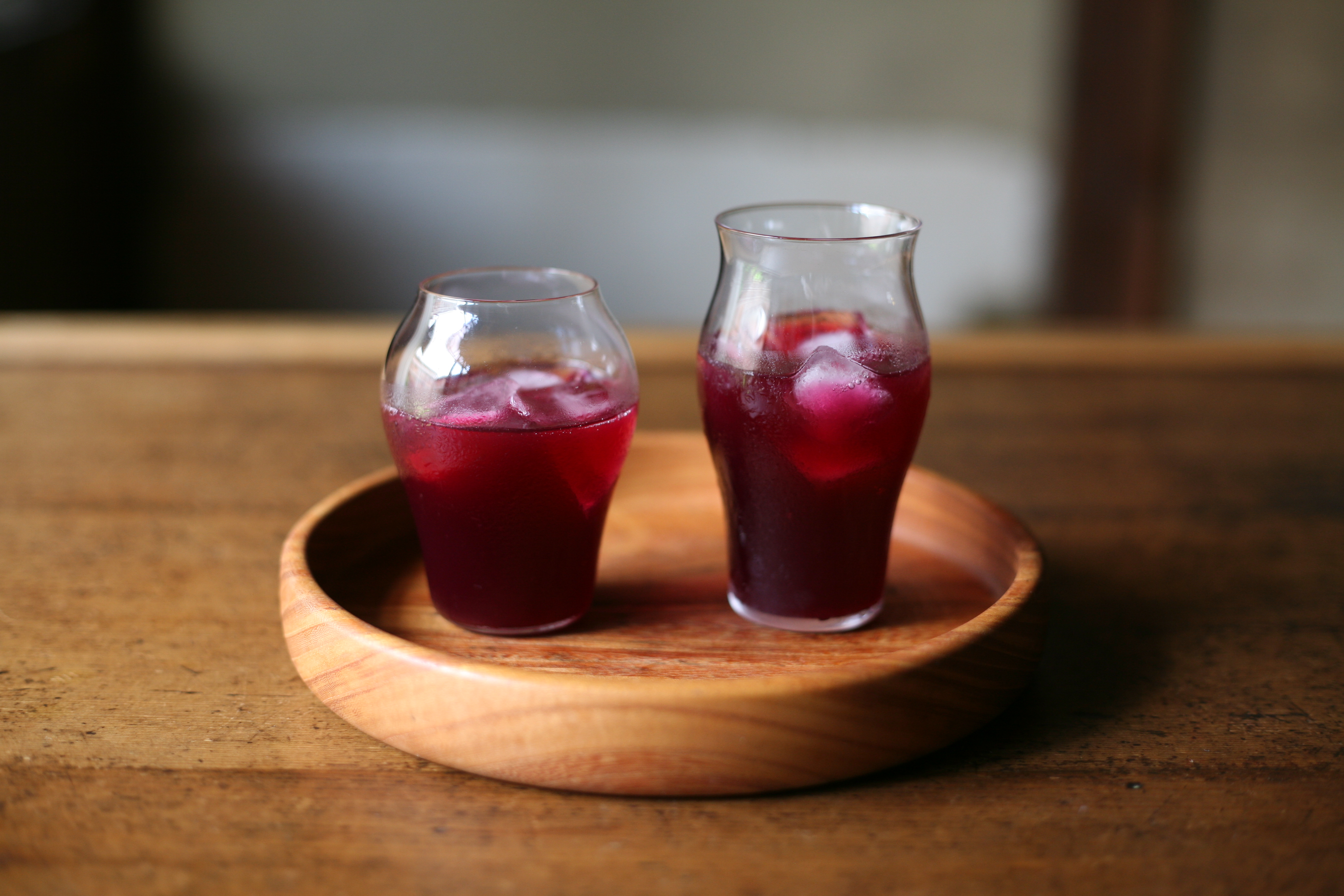
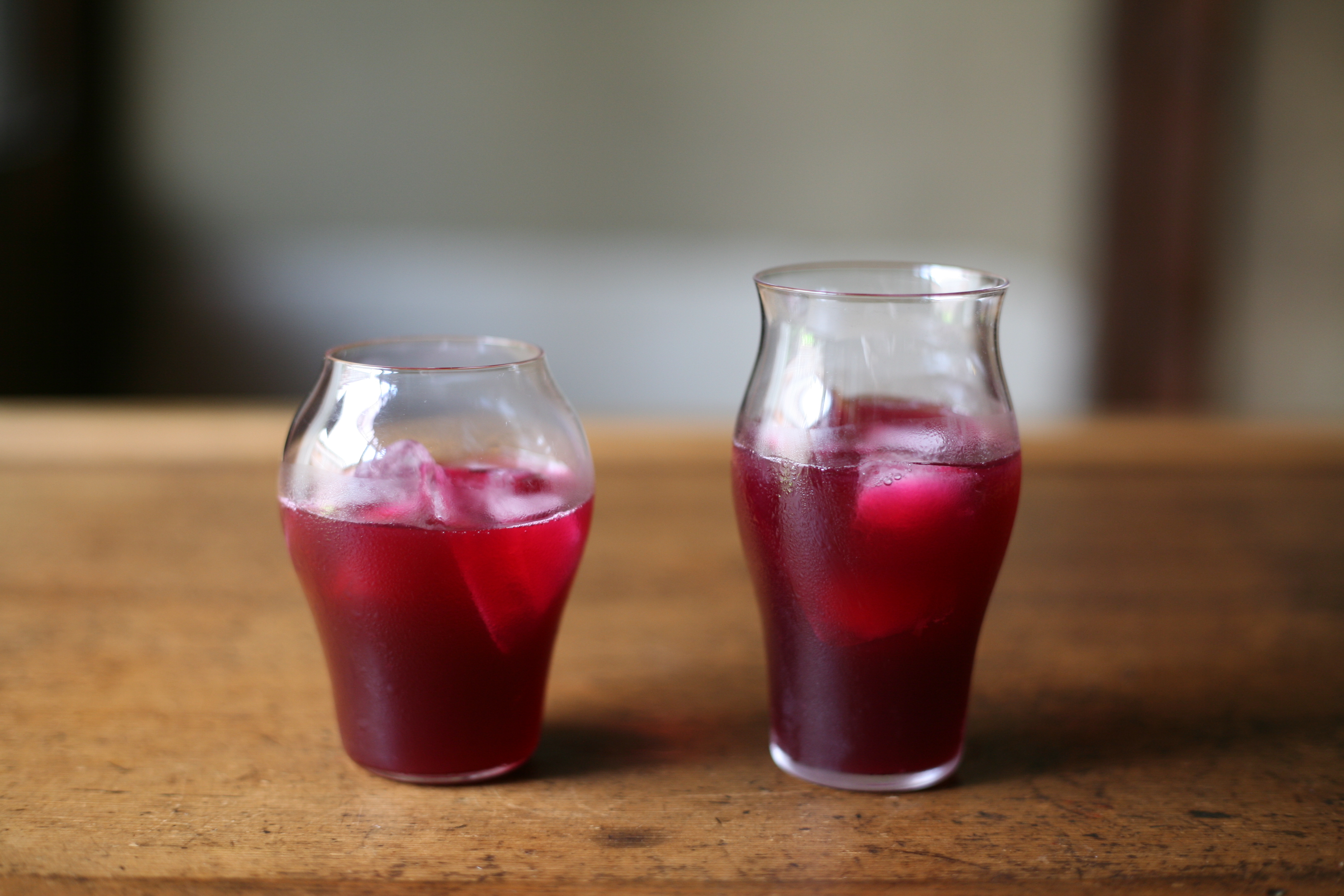
The photo shows shiso juice in Hirota Glass's ultimate sake glass. The "Tsubomi" glass envelopes the unique aroma of shiso, and the "Hana" glass allows the gorgeous aroma to rise up like a flower. How about using them according to your preference or serving them to your guests as a talking point?

Hirota Glass's Ultimate Sake Glass
https://www.shokunin.com/en/hirota/nihonshu.html
Watanabe Mokkogei's Chabon S
https://www.shokunin.com/en/watanabe/chabon.html

References
https://himitsu.wakasa.jp/contents/perilla/?soycms_pathinfo=seibun%2Fperilla%2F
https://ja.wikipedia.org/wiki/%E3%82%B7%E3%82%BD
https://kyoto-ohara-kankouhosyoukai.net/akashiso/