April 2021

151118 2949

151118 4765

151118-7547

38c5b123

[Koishiwara Ware, "Beauty of Use," Recognized Around the World]

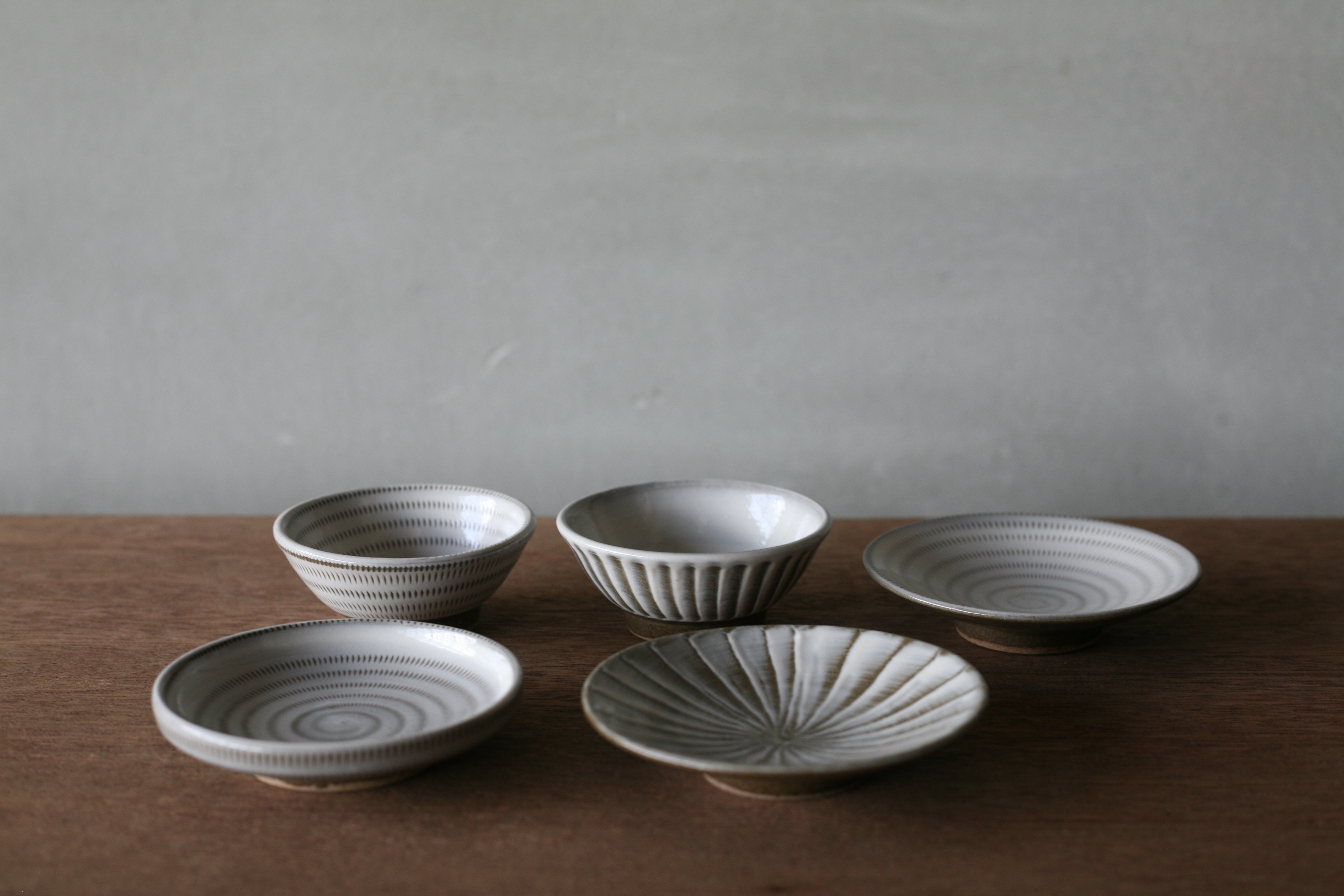
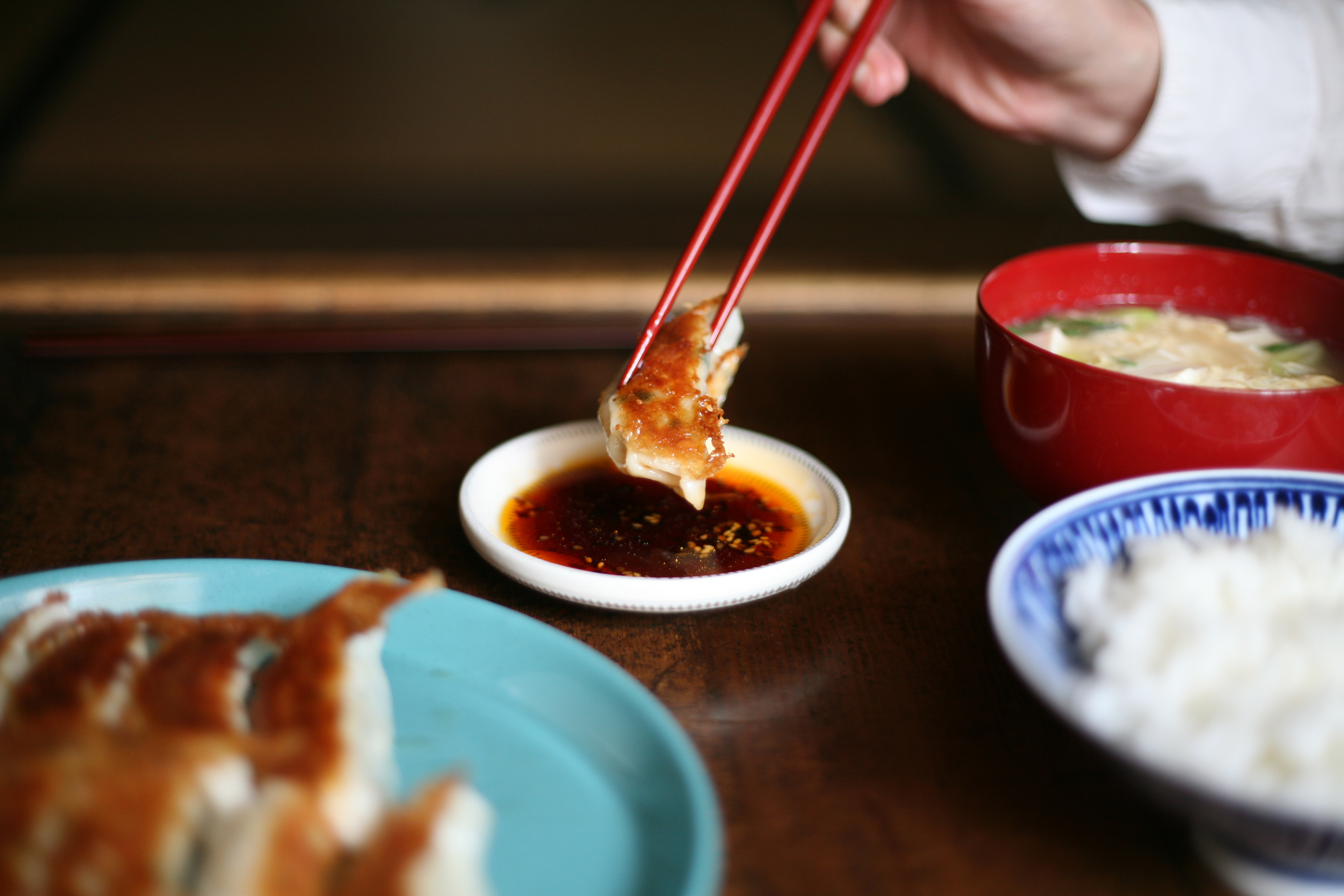
Koishiwara ware is not flashy, but has a simple and warm impression. It is made in Koishiwara, an area in Asakura-gun, Fukuoka Prefecture, surrounded by virgin forest and rich in nature. It has a sister relationship with Onta ware, which is made in Hita City, Oita Prefecture, also in Kyushu.

Koishiwara ware came into the limelight at the same time when Muneyoshi Yanagi, the founder of the folk art movement, discovered Onta ware in around 1930. In 1958, Koishiwara ware won the Grand Prix at the third section of the Japanese Pavilion at the World Exposition in Brussels, and became known throughout the world for its "beauty of use." Moreover, in 1975, it became the first ceramic product in Japan to be certified as a national traditional craft.

One of the main characteristics of Koishiwara ware is the pattern applied by the technique called "tobikanna" or "hakeme." While turning the wheel, craftsmen use the edge of the blade and brush to create a systematic pattern. Currently, there are more than 50 kilns, and the style of each kiln differs slightly depending on the craftsman. In this area, "Folk Art Festival" is held in May and October every year to coincide with the opening of the kilns, and if your timing is good, you can even see the craftsmen at work. When things settle down, why not pay a visit?

Muneyoshi Yanagi, Bernard Leach, and others praised Koishiwara ware as "the ultimate in beauty of use." Using Japan's best folk art at your daily table is truly a luxury.

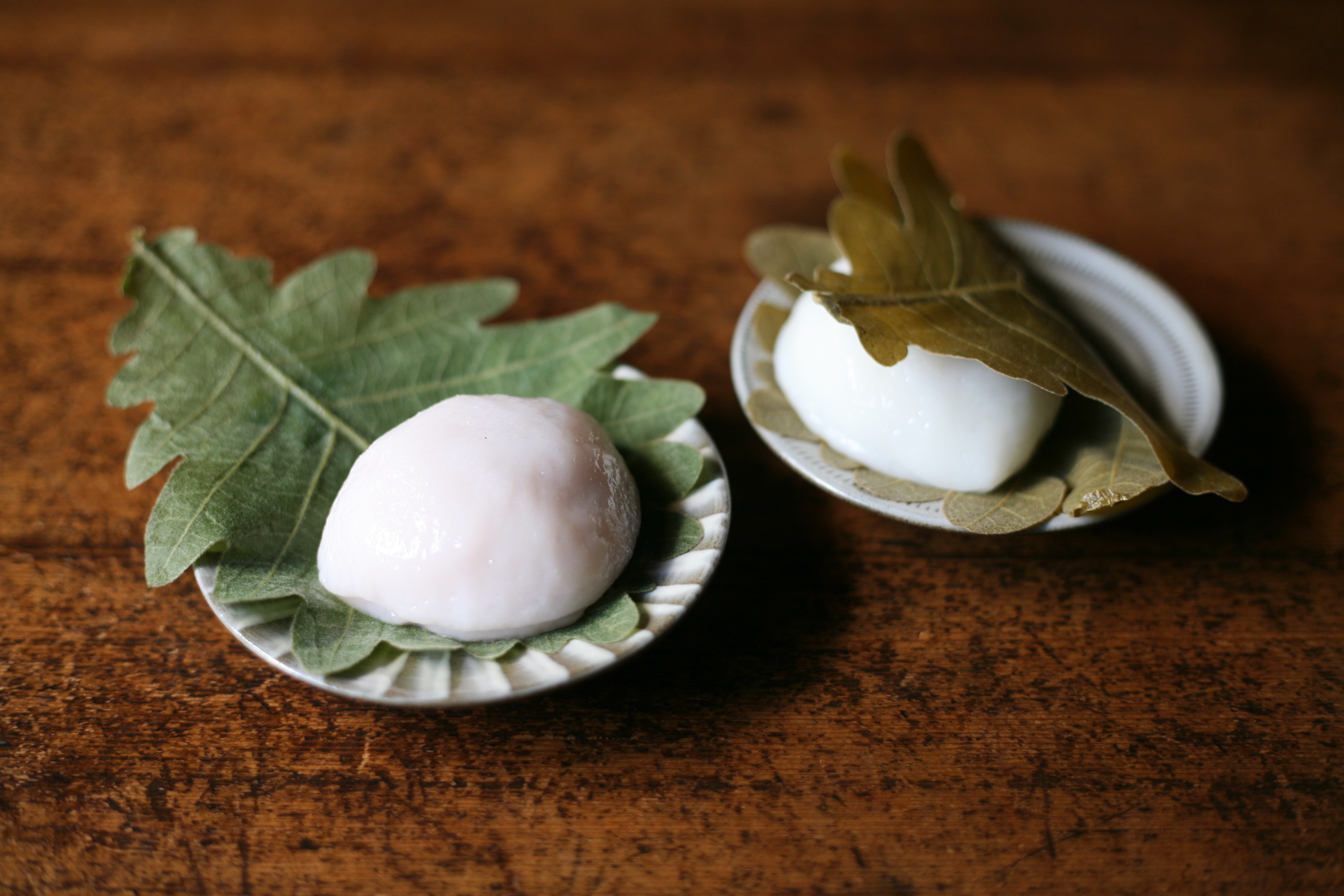
Koishiwara ware's Mamezara and Mamekobachi
https://www.shokunin.com/en/koishiwara/mame.html

References:
http://toho.main.jp/koishiwarayaki-rekishi.html
https://www.crossroadfukuoka.jp/traditionalcrafts/jpcraft/crafts/koishiwarayaki/
https://kintsugikurashi.com/yakimono/koishiwara/
151118 2330

151118 2353

151118 2362

151118 2388

[Steamed Pudding Made with a Chinese Steamer]

Pudding can be steamed in the oven or hardened with gelatin. It has a wide variety of textures, from hard to soft, depending on the combination of ingredients and cooking method. Pudding has become a staple in cafes and convenience stores, and has become a familiar dessert to people of all ages, from children to adults. Recently, the popularity of hard pudding, which was often made in the Showa era, is making a comeback.

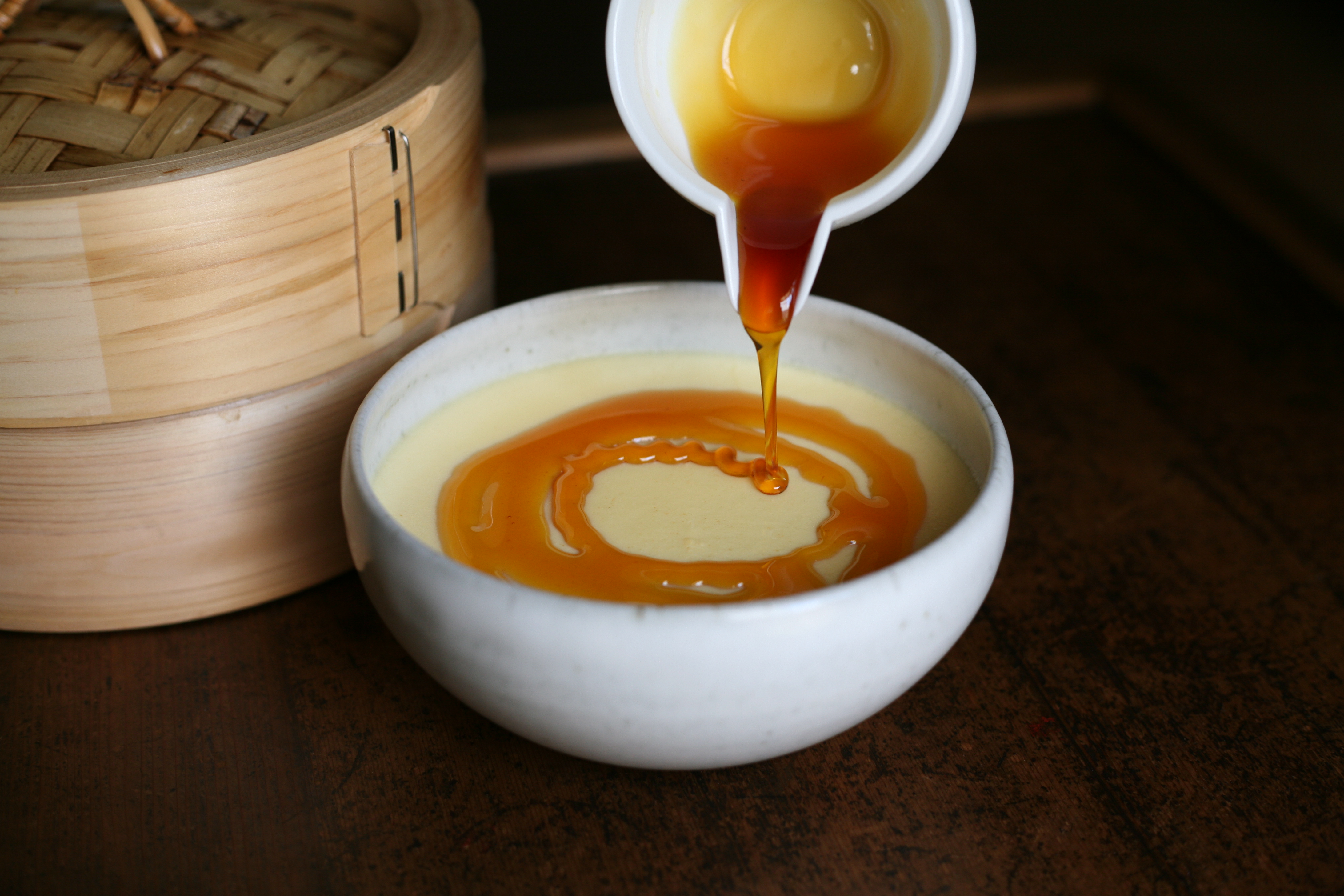
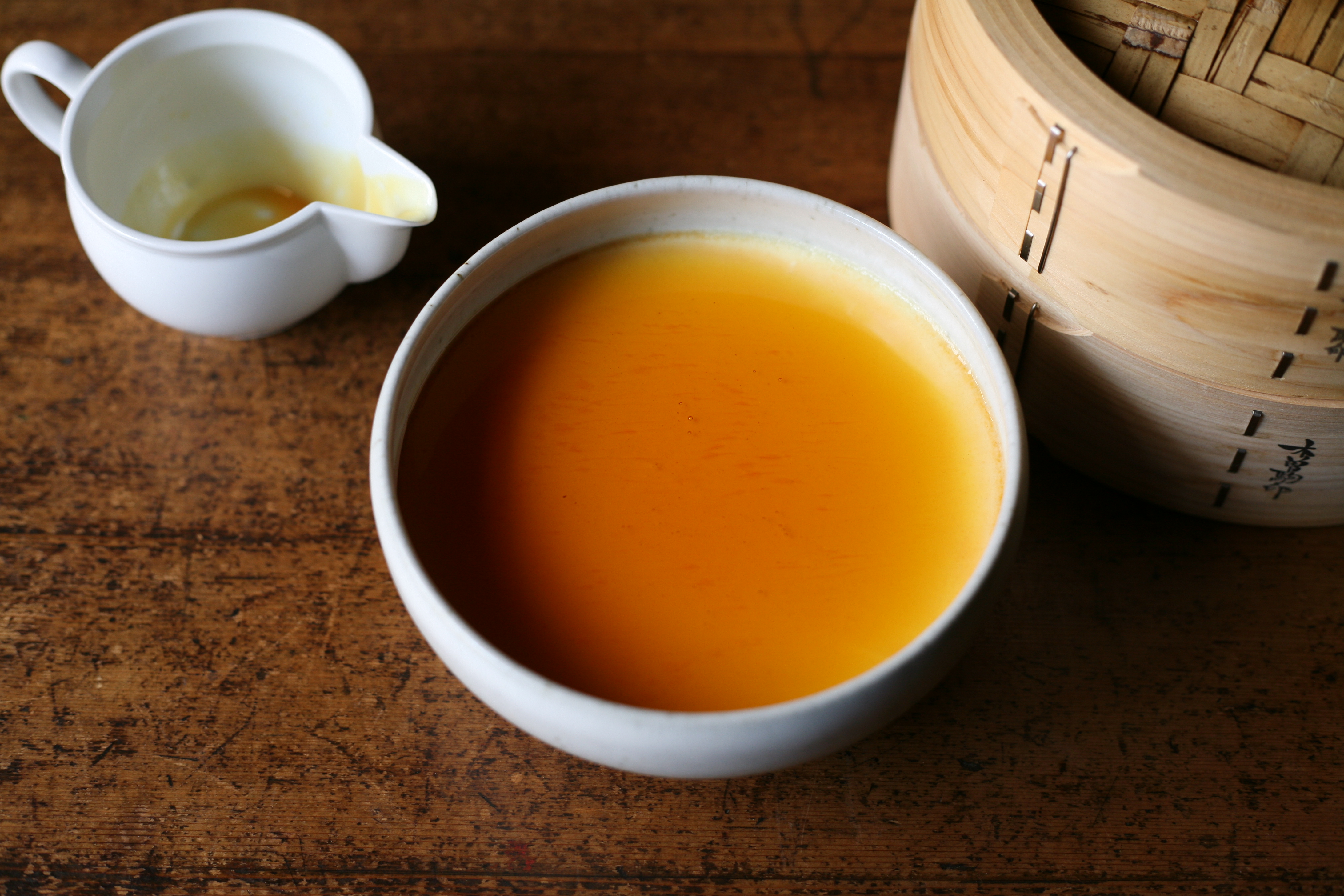
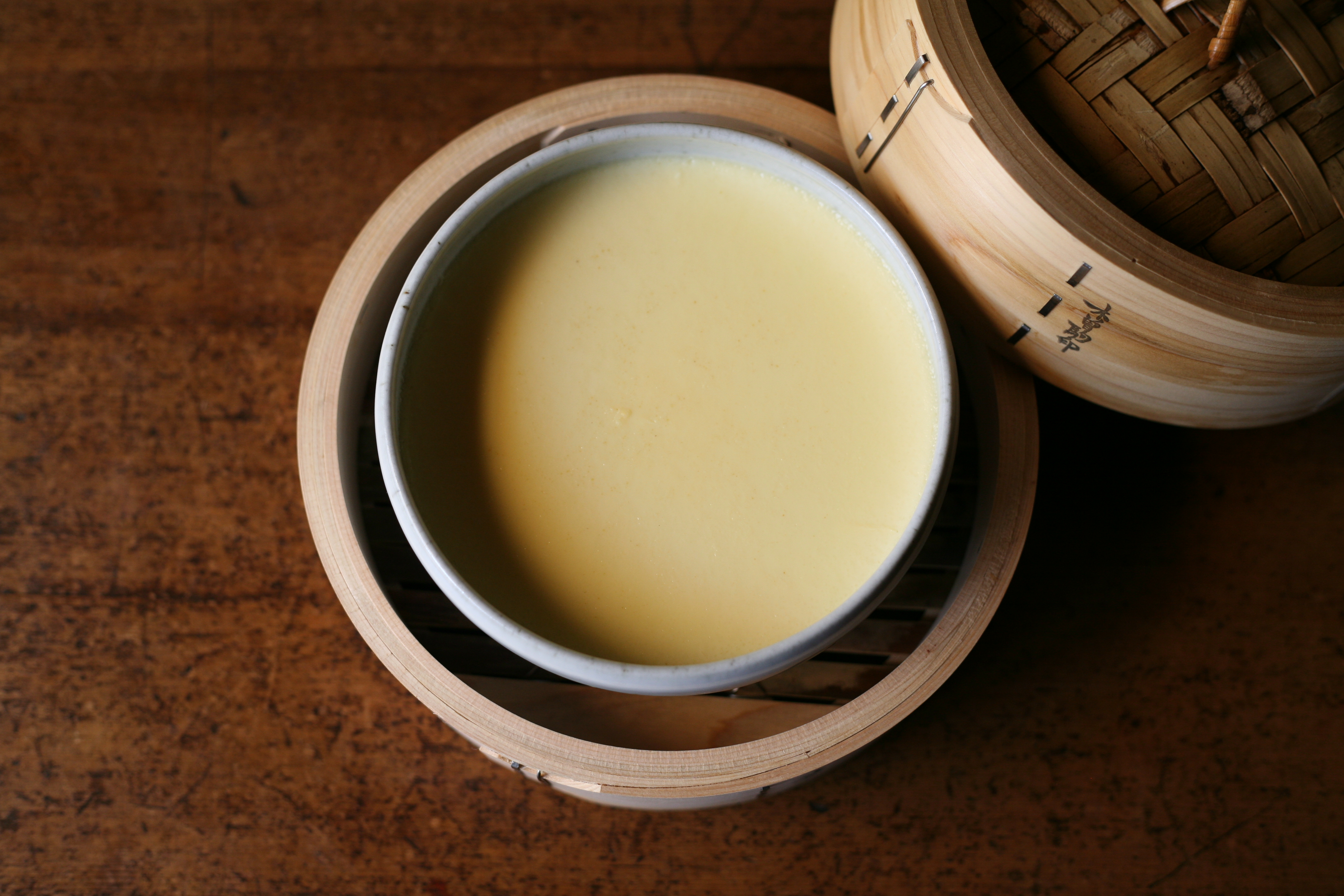
This time, I tried to make "steamed pudding" using Yamaichi's Chinese Seiro. Manually produced by craftsmen, Chinese Seiro is made of Japanese cypress and features outstanding durability. The lid has a double layer of bamboo mesh to prevent steam from leaking out. In addition, the bamboo itself absorbs the steam well, so there are no water droplets on the surface of the food inside.

Furthermore, the carefully wrapped body is sandwiched between two pieces of paper-thin sheet of cypress. This is the perfect lid for a Chinese Seiro. Another feature of the Chinese Seiro is that it can steam some tall containers. Since the ceiling is high, there is a lot of space and the heat from the steam can be transmitted evenly to the food.

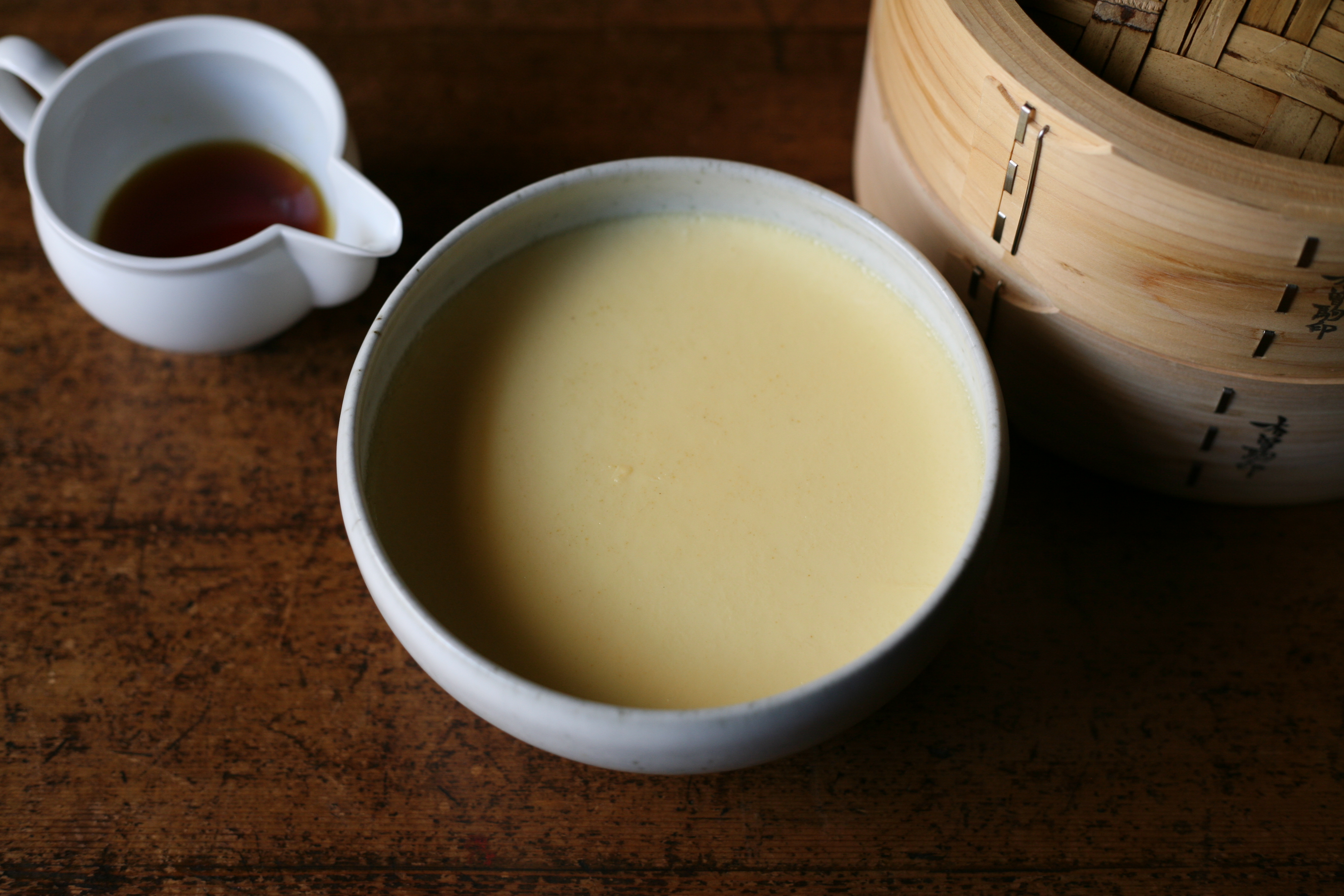
The pudding, which is steamed slowly over low heat in a Seiryugama's bowl with egg wash, is recommended as a dessert for four to five people, served with a large spoon. As you may know, it can be made with simple ingredients such as eggs, milk, and sugar, so please try the steamed pudding made with the Chinese Seiro.

Yamaichi's Chinese Seiro
https://www.shokunin.com/en/yamaichi/seiro.html
Seiryugama's Bowl
https://www.shokunin.com/en/seiryu/hachi.html
Azmaya's Juicer
https://www.shokunin.com/en/azmaya/juicer.html

Reference:
https://kajitora.com/pudding-bamboo-Seiro/ (Recipe)
*We made it with 1.5 times the amount of ingredients.

1

2

3

4

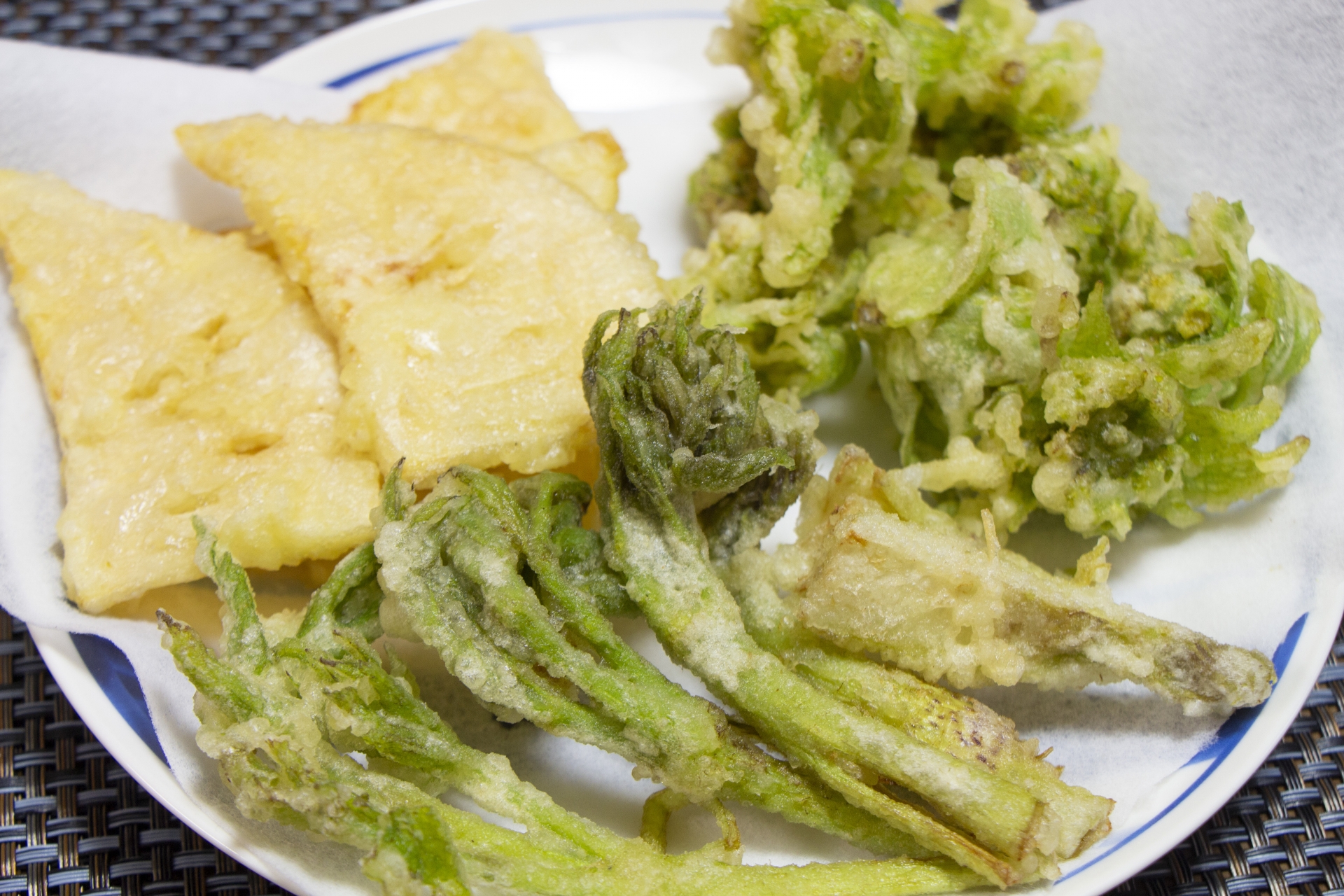
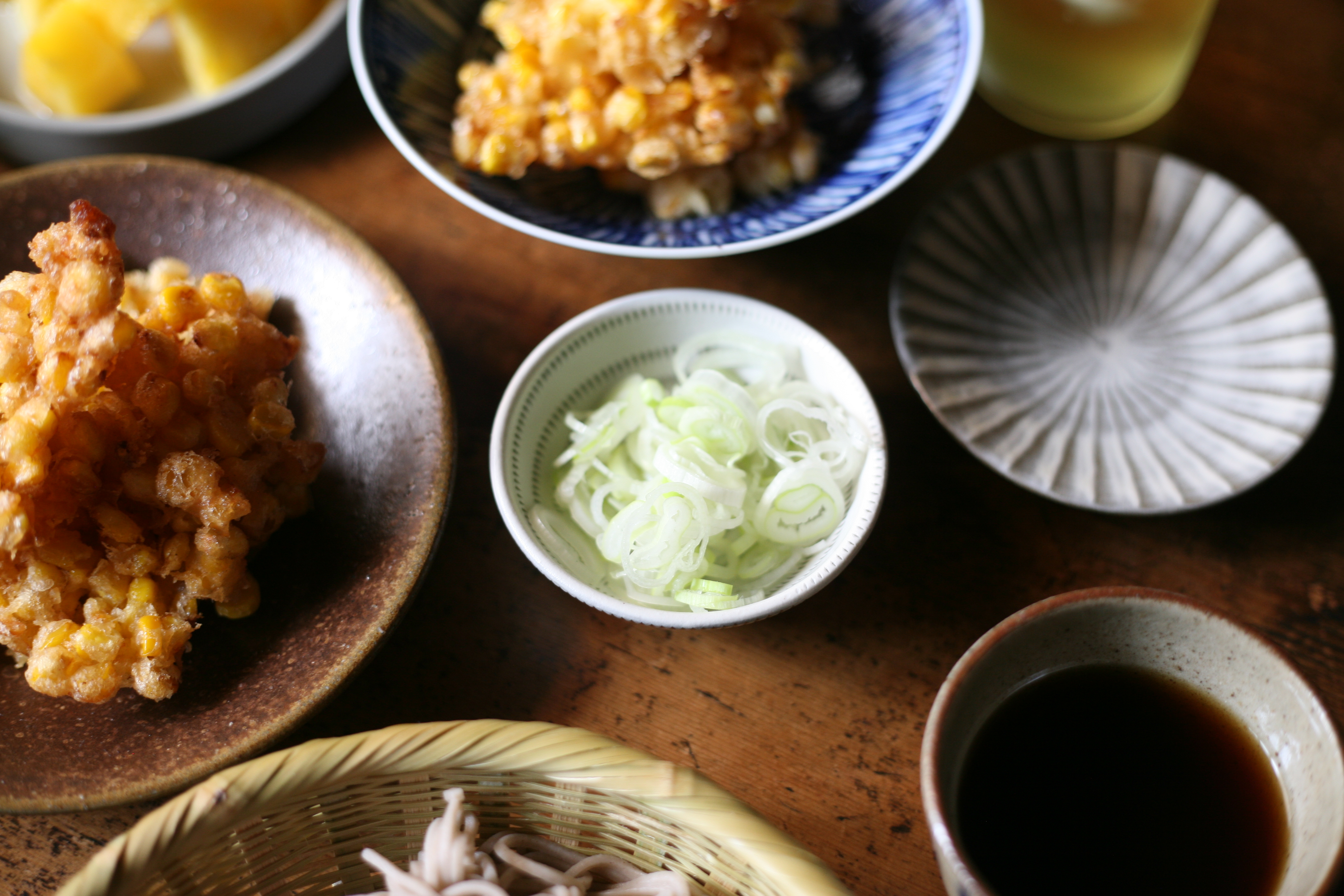
Japanese food is now very popular all over the world. Among them, tempura and other fried foods are the most popular along with sushi.

Many of the fried foods in Japanese cuisine were created under the influence of dishes that came from overseas, as evidenced by the fact that the word "tempura" is of Portuguese origin. The cooking methods that came from abroad were mixed with Japanese cooking methods and unique ingredients, and were devised in the Japanese climate, along with the inspiration and attempts of many cooks.

During the Kamakura period, fried foods was introduced as a vegetarian dish by a Zen priest who returned from China. Since vegetarian cuisine emphasizes not eating animals, it seems to have been valued as a dish that allows the intake of oil, containing protein.

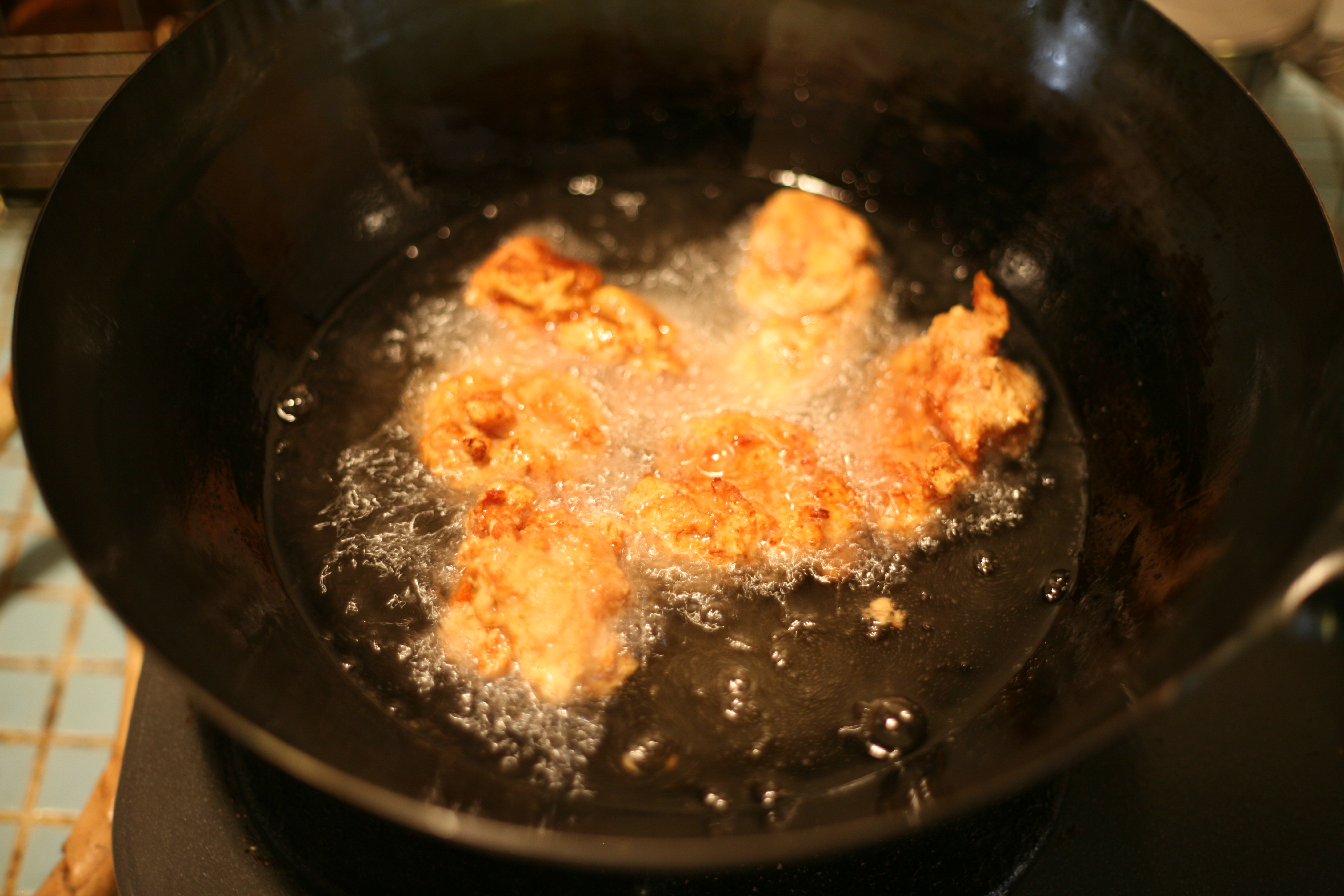
In Japan, generally, when food is deep-fried without batter, it is called "su-age," and when it is battered, it is called "koromo-age." Depending on the ingredients used for the batter, it is called "tempura," "kara-age," "fry," "cutlet," or "kawari-age." Depending on the way they are fried, there are also other types of fried foods, such as "kushi-age," where ingredients are skewered and deep-fried, "shojin-age," where vegetables are deep-fried, and "isobe-age," where seaweed is used.

There are some flavors and tastes that can only be extracted by frying in oil. Deep-frying has the power to bring out the best of the ingredients, to enhance their flavors, and even if they are bitter or acrid, to transform them into delicious flavors.

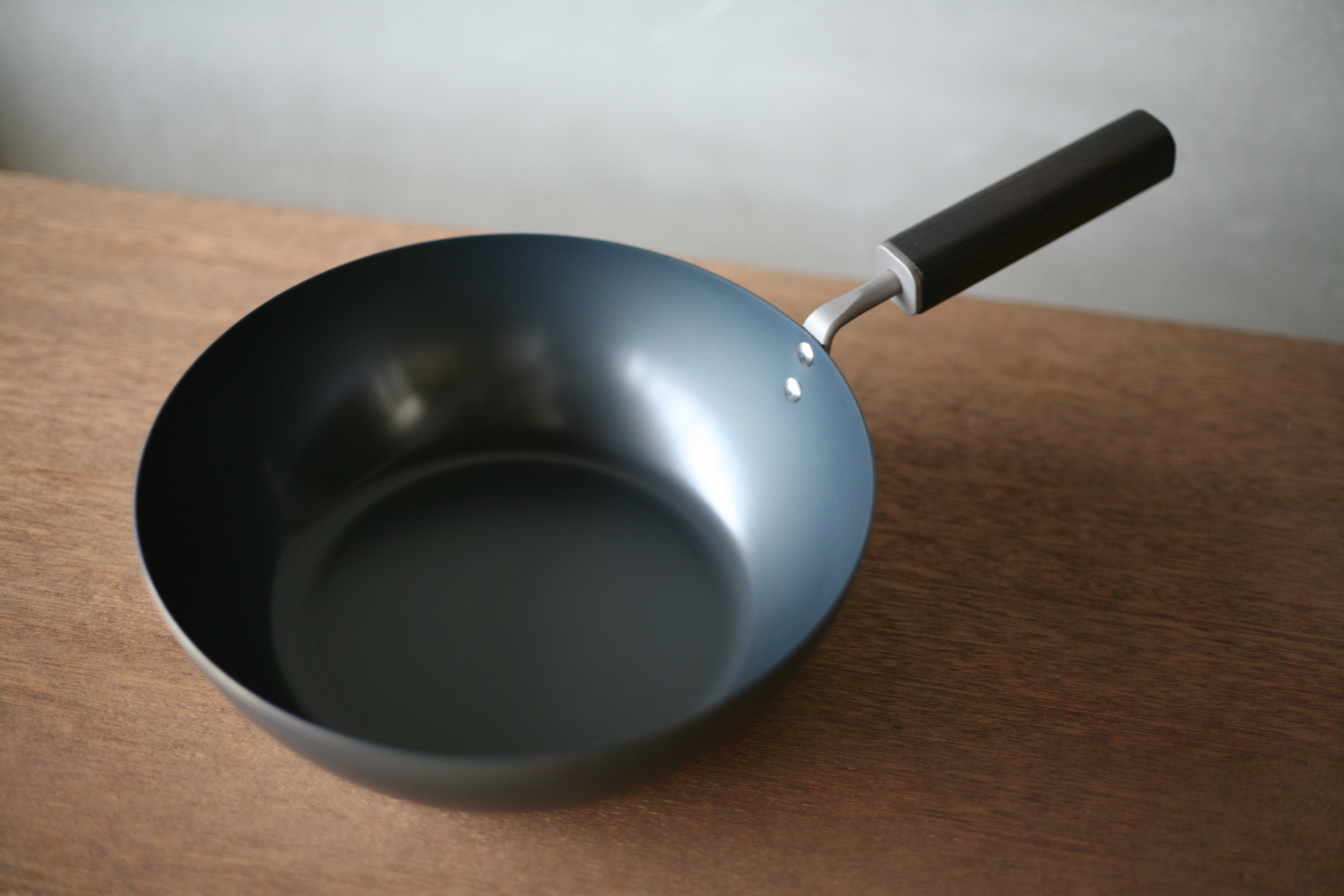
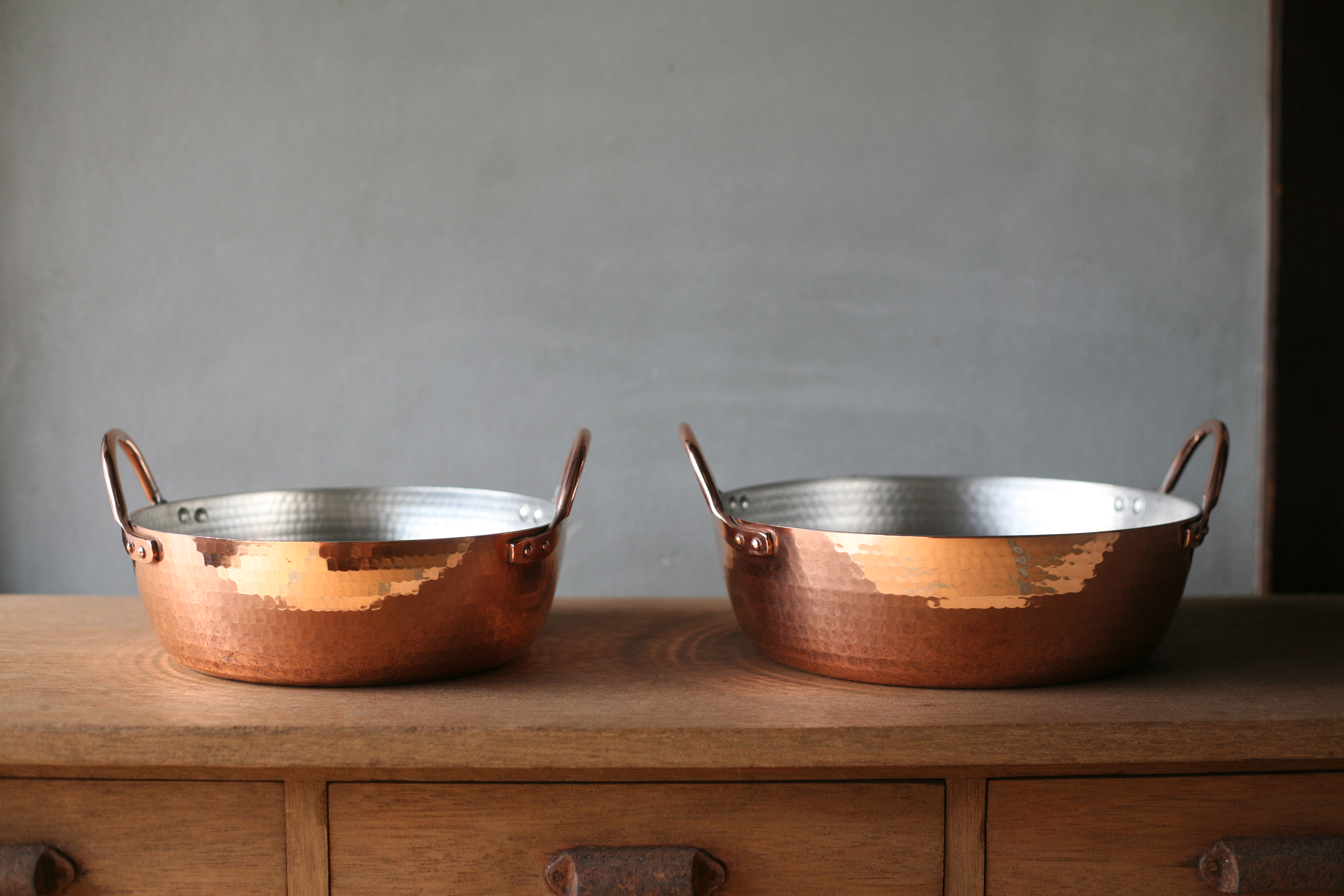
At our online store, we offer various tools for preparing fried foods, such as Yamada Kogyosho's Uchidashi Katatenabe, an uchidashi-style iron pan that efficiently transfers heat. Please have a look at our online page for more details.

Yamada Kogyosho's Uchidashi Katatenabe
https://www.shokunin.com/en/yamada/
FD Style's Frying Pan
https://www.shokunin.com/en/fdstyle/fryingpan.html
Nakamura Douki's Tempura Pot
https://www.shokunin.com/en/nakamuradouki/tempura.html

References:
https://japan-web-magazine.com/fried-foods-japan
https://www.sakuya-k.jp/blog/1466/
https://kotobank.jp/word/%E6%8F%9A%E3%81%92%E7%89%A9-24901
https://japan-word.com/agemono