October 2020

151118-273

151118 941

151118 8447

151118 8466

Ryukyu glass is one of the most popular traditional craft goods produced in Okinawa Prefecture. The functional, inexpensive vessels well express the characteristics of Okinawa, which is why a lot of tourists purchase the products as souvenirs. Techniques of glassblowing were imported into Okinawa from prefectures such as Nagasaki and Osaka during the Meiji period, after which daily necessities such as medicine bottles and lamp chimneys were produced in glass. Okinawa’s glass culture was formally founded during the post-war period, when craftsmen in Okinawa began recycling colored glass bottles of Coca-Cola and beers used by the stationed U.S. troops, making use of the air bubble within and thickness of the glasses as unique and simple designs. Materials and techniques used to produce Ryukyu glasses were improved in recent times and the goods were certified as Okinawa’s traditional crafts goods in 1998, while they now also serve as continuously-evolving art pieces that well blend into the local lifestyle.

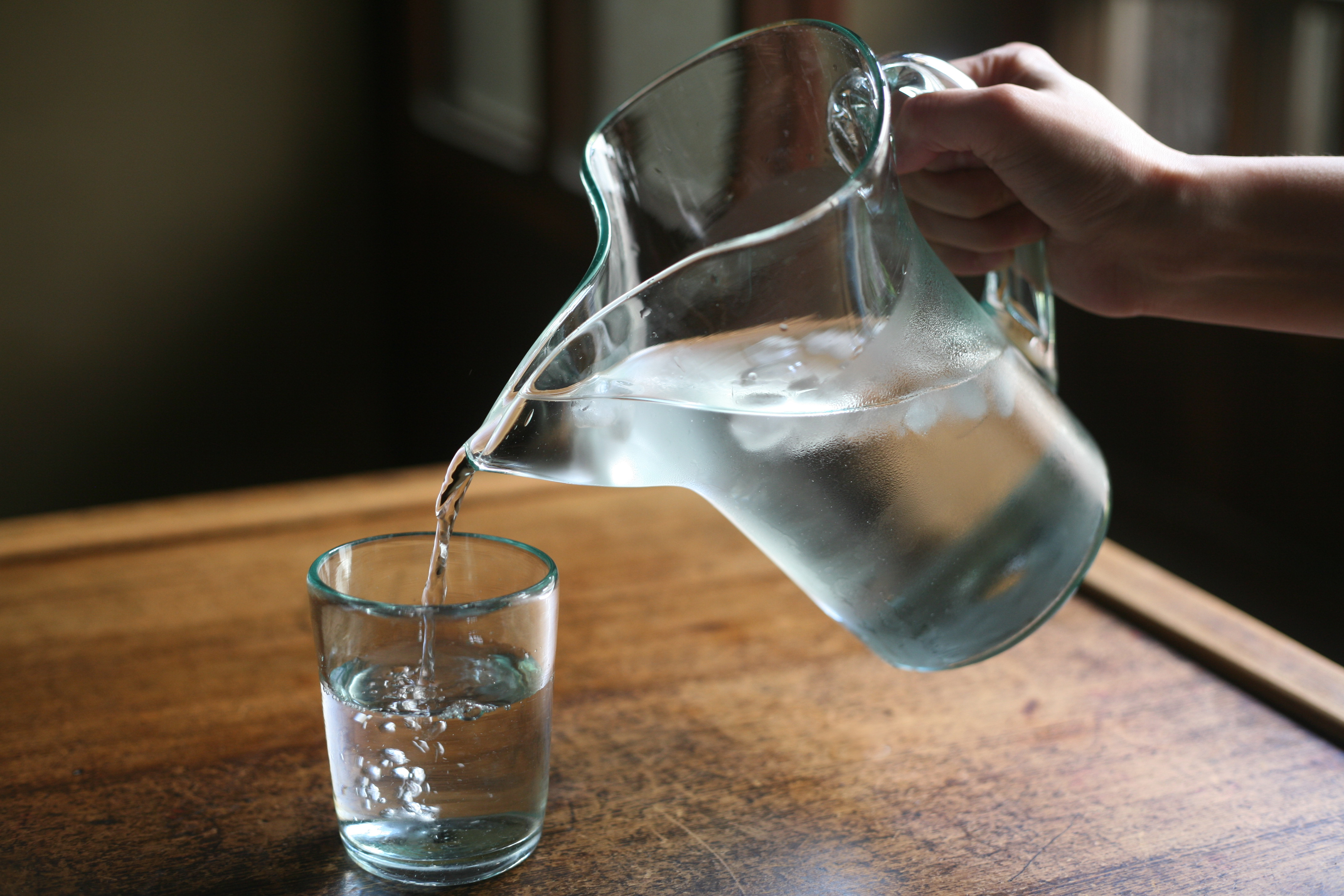
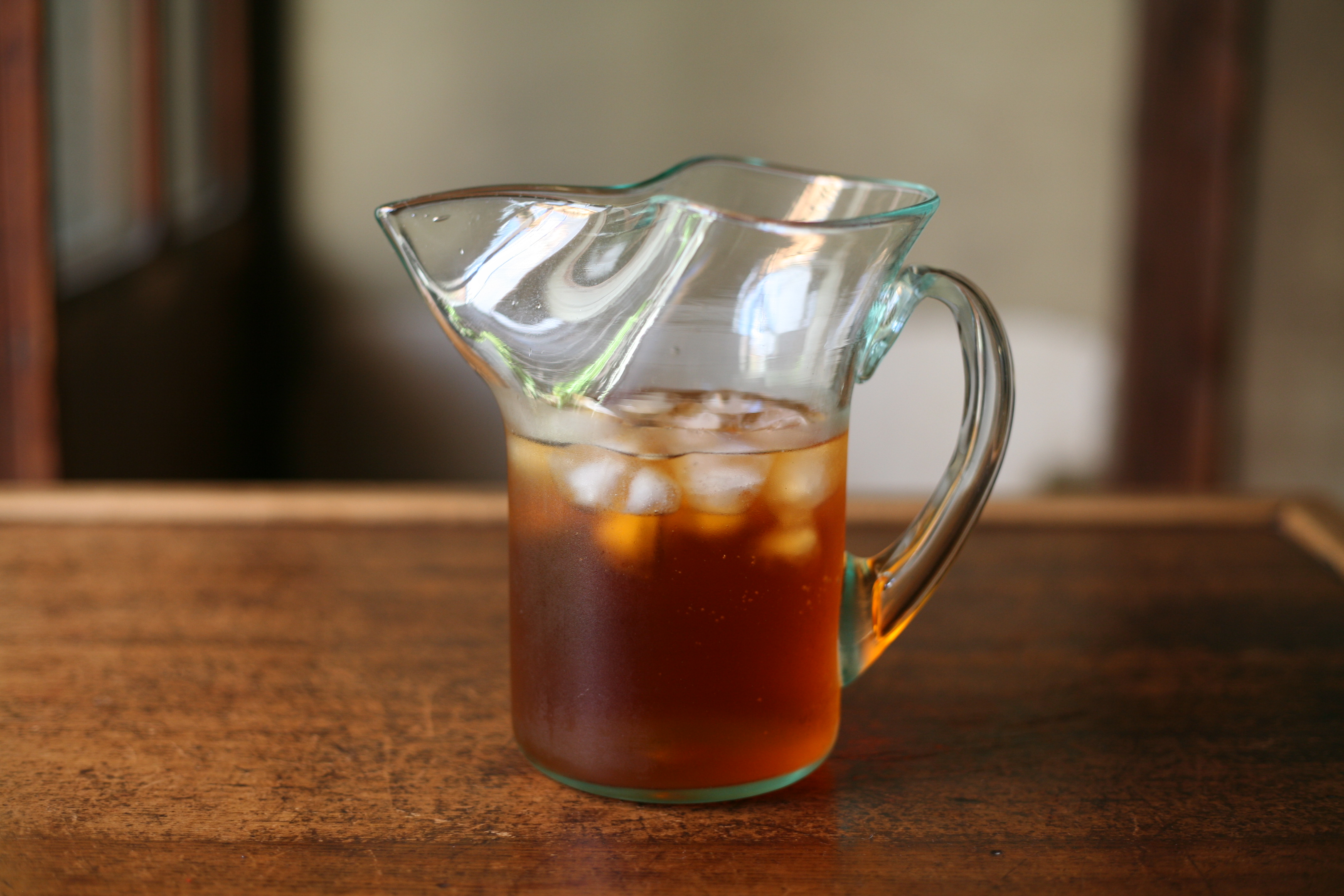
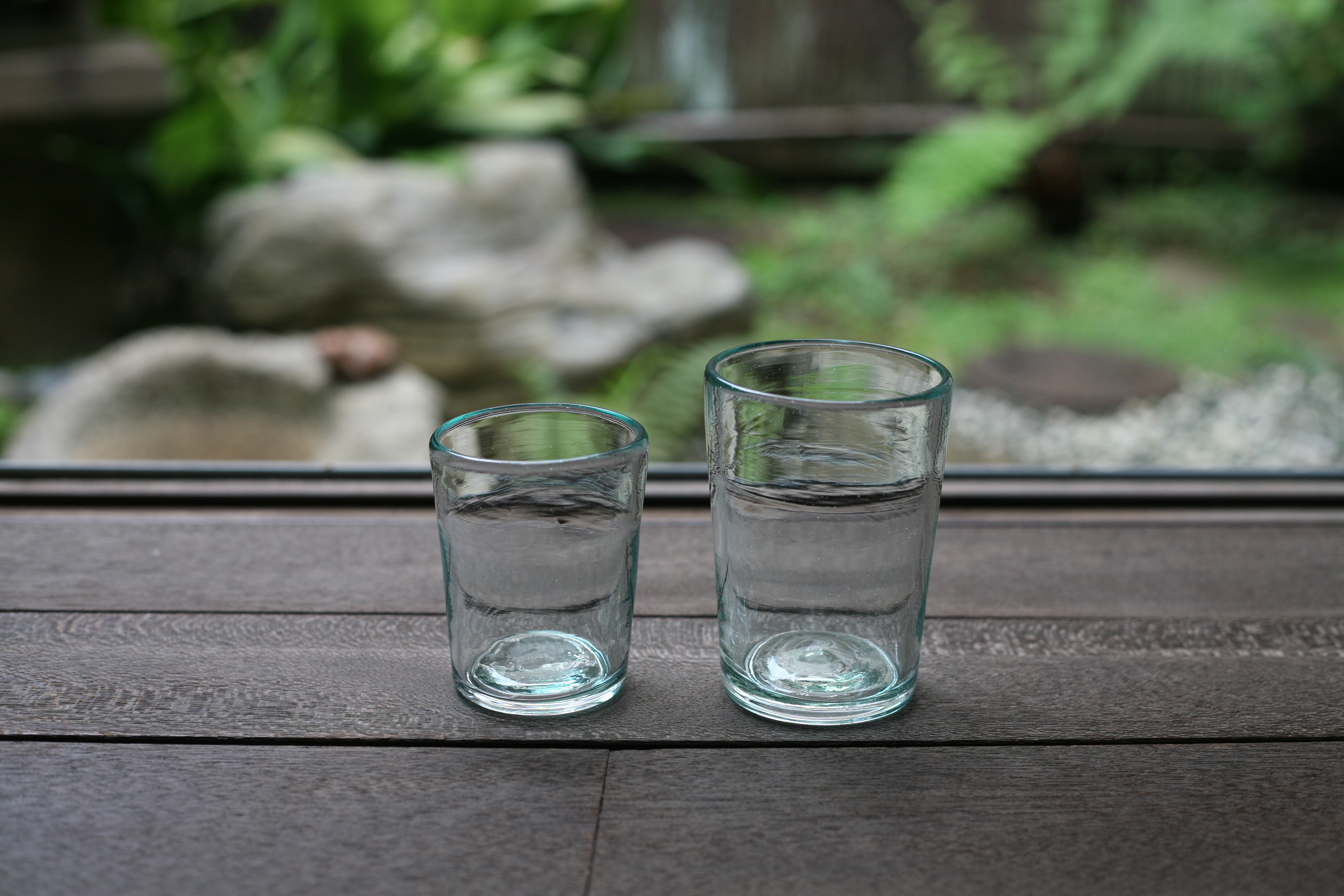
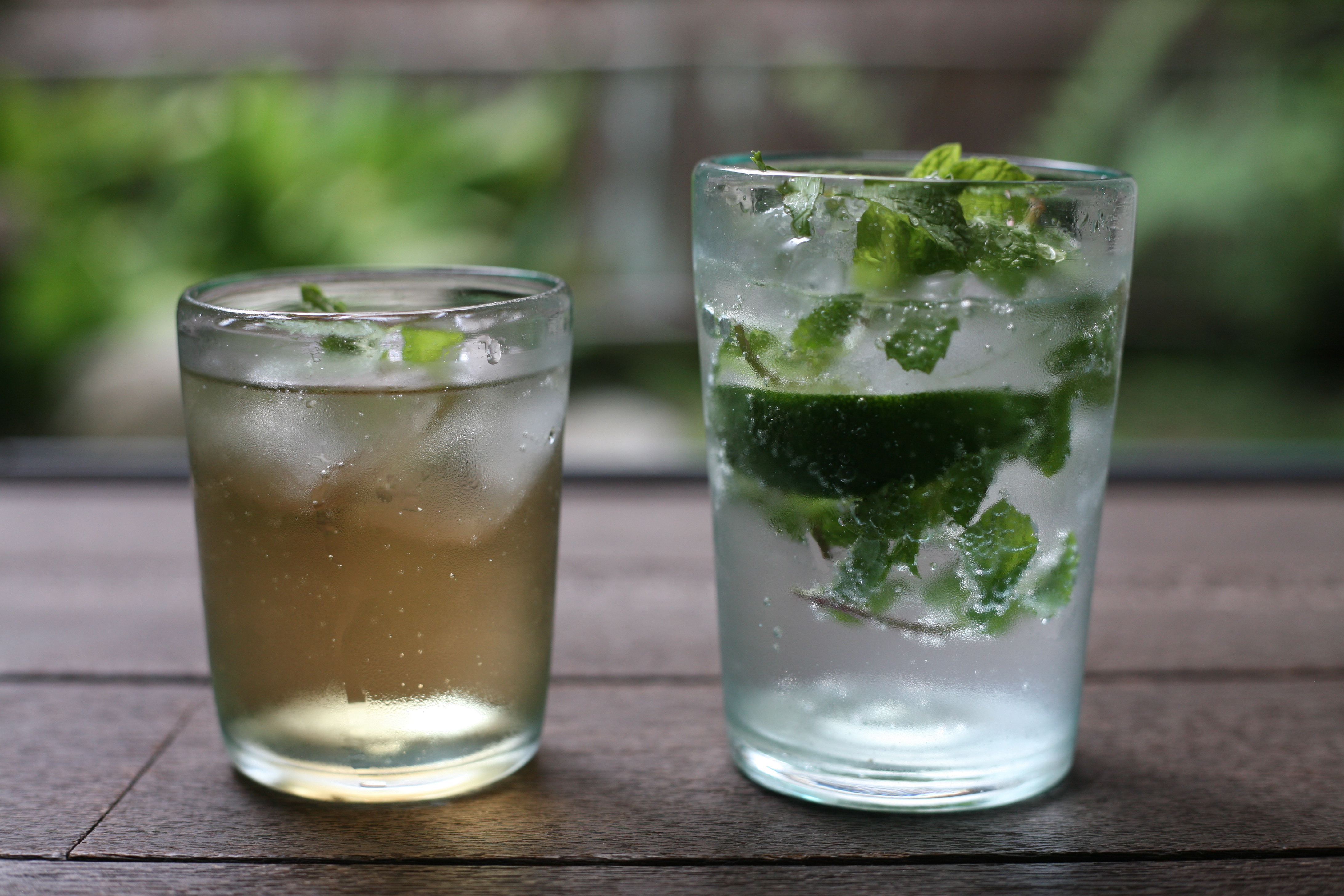
Among the many existing workshops that produce Ryukyu glass, Okuhara Glass is the most old-established workshop that is founded in 1952. The workshop locates along Kokusai Street in Naha City, within the Naha City’s Traditional Crafts Museum. At the time it was founded, Okuhara Glass was manufacturing daily necessities such as lamp covers, medicine bottles, and milk bottles, just like the other Ryukyu glass workshops. Since the 1960s, however, the workshop started to export its products to places abroad, such as Los Angeles and San Francisco, and it now supplies a range of glasses, from those for daily use to those that are highly artistic and decorative. Some of their representative products are the cup and the pitcher, which are simple in design and color, unlike many other Ryukyu glasses. They are beautiful in functions, as users have the freedom to choose how to use it and when to use it. Further, the light lime color of the two products’ materials provides the users with a sense of coolness, which is truly useful during the hot summer season. The unique shape of the pitcher is also very interesting, as it is designed to stop the ices from flow out by narrowing its mouth, creating a pelican-like shape.

All products produced by Okuhara Glass are made of recycled glasses, and the unique, beautiful textures and appearances can only be created by such materials. How about trying Okuhara Glass’s cup and pitcher to overcome the hot and humid season in Japan?

Okuhara Glass’s Pelican Pitcher
https://www.shokunin.com/en/okuhara/pelican.html
Okuhara Glass’s Cup
https://www.shokunin.com/en/okuhara/cup.html
151118 6323

151118 6403

151118 6490

151118 4996

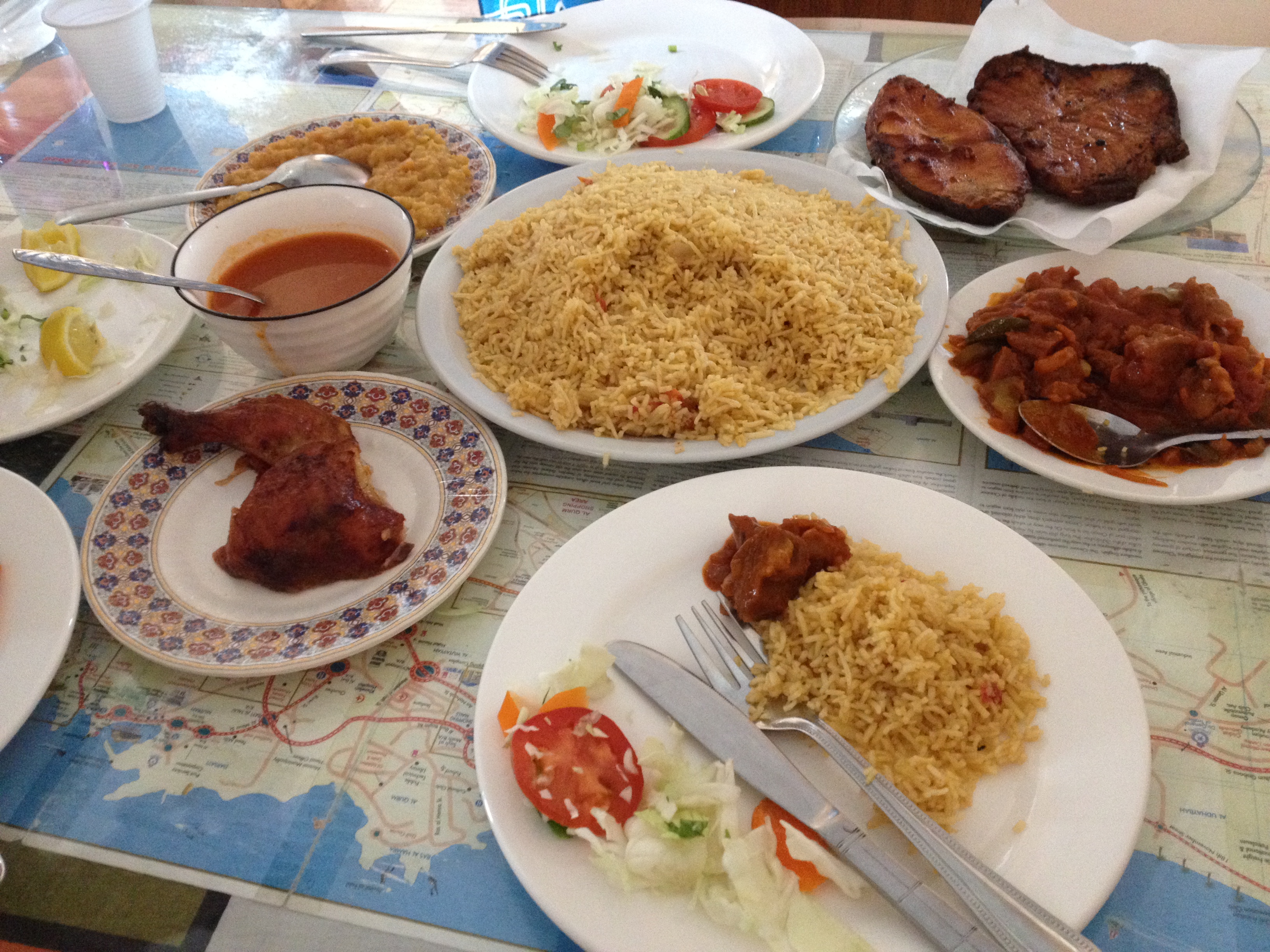
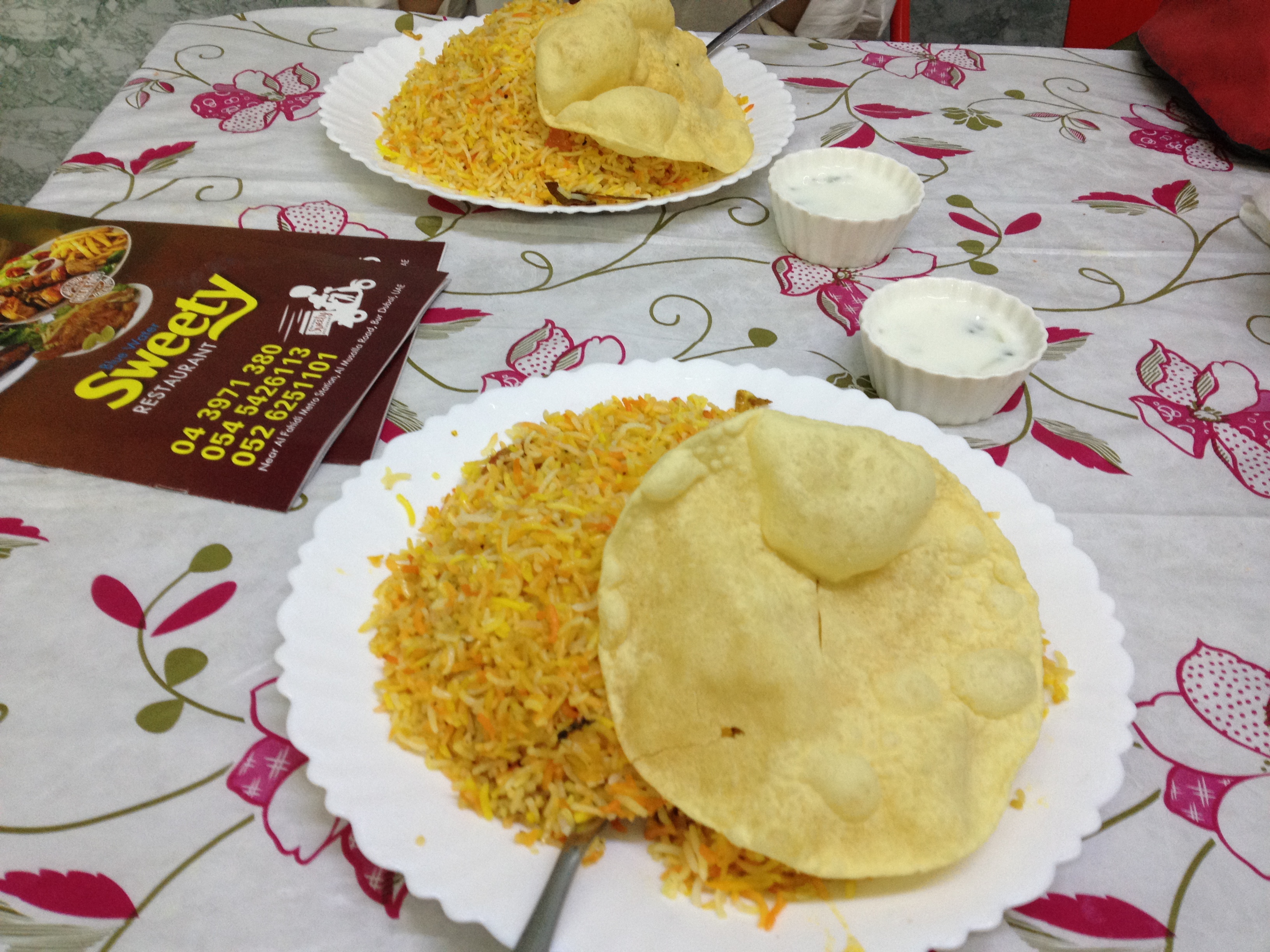
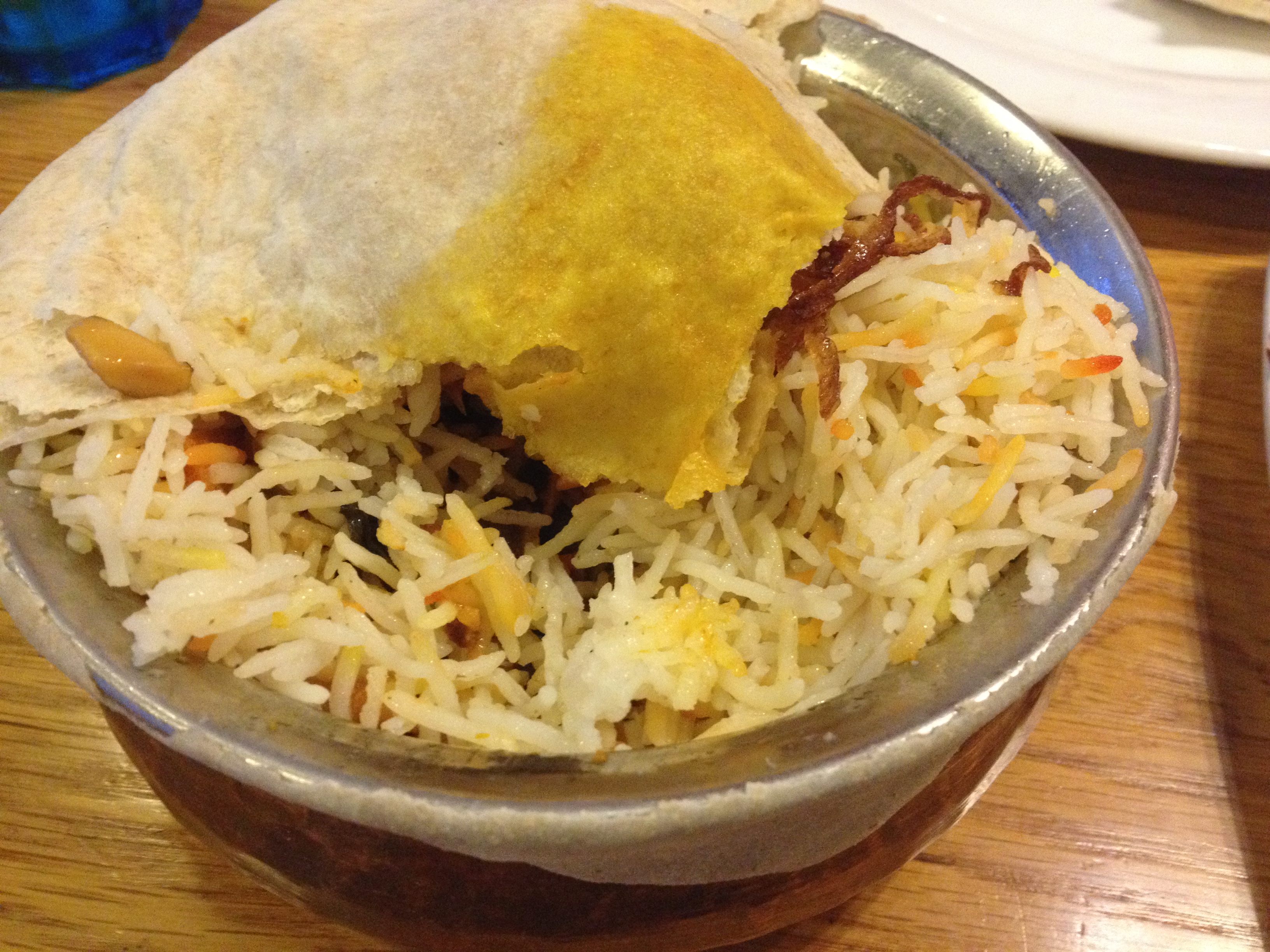
Biriyani is a dish served in India and its neighboring countries, and it refers to rice cooked with spices and meat. It is also counted as one of world’s three cooked rice, along with paella and matsutake rice. In India, biriyani is not only a festive meal served at Hindu and Muslim weddings, but it is also served on a daily basis at stalls, and it is widely cherished as a national food.

The main spices and ingredients used in biryani are cumin, coriander, turmeric, and cinnamon, with which chicken, mutton, beef, seafood, or vegetables is used. Biriyani is usually served with yogurt, which softens the taste of biriyani. You may serve onions and limes along as well.

There are mainly three ways to make biriyani, which are: pakki, kacchi, and Hindu style. “Pakki” means “cooked” in Hindi, and most biriyani are made in this style. Pakki biriyani are prepared by creating several layers of rice and gravy, and steaming altogether. Kacchi means “raw” in Hindi, and it is a style applied in Hyderabad, a city famous for biriyani. It is made by marinating meat with spice and yogurt, leaving it for a night, and then putting it on fire for an hour with half-cooked rice on top of it. The Hindu style is mainly applied in Tamil Nadu, South India and it is prepared by adding washed rice to a watery gravy and cooking it up together, a method similar to that of Japanese cooked rice.

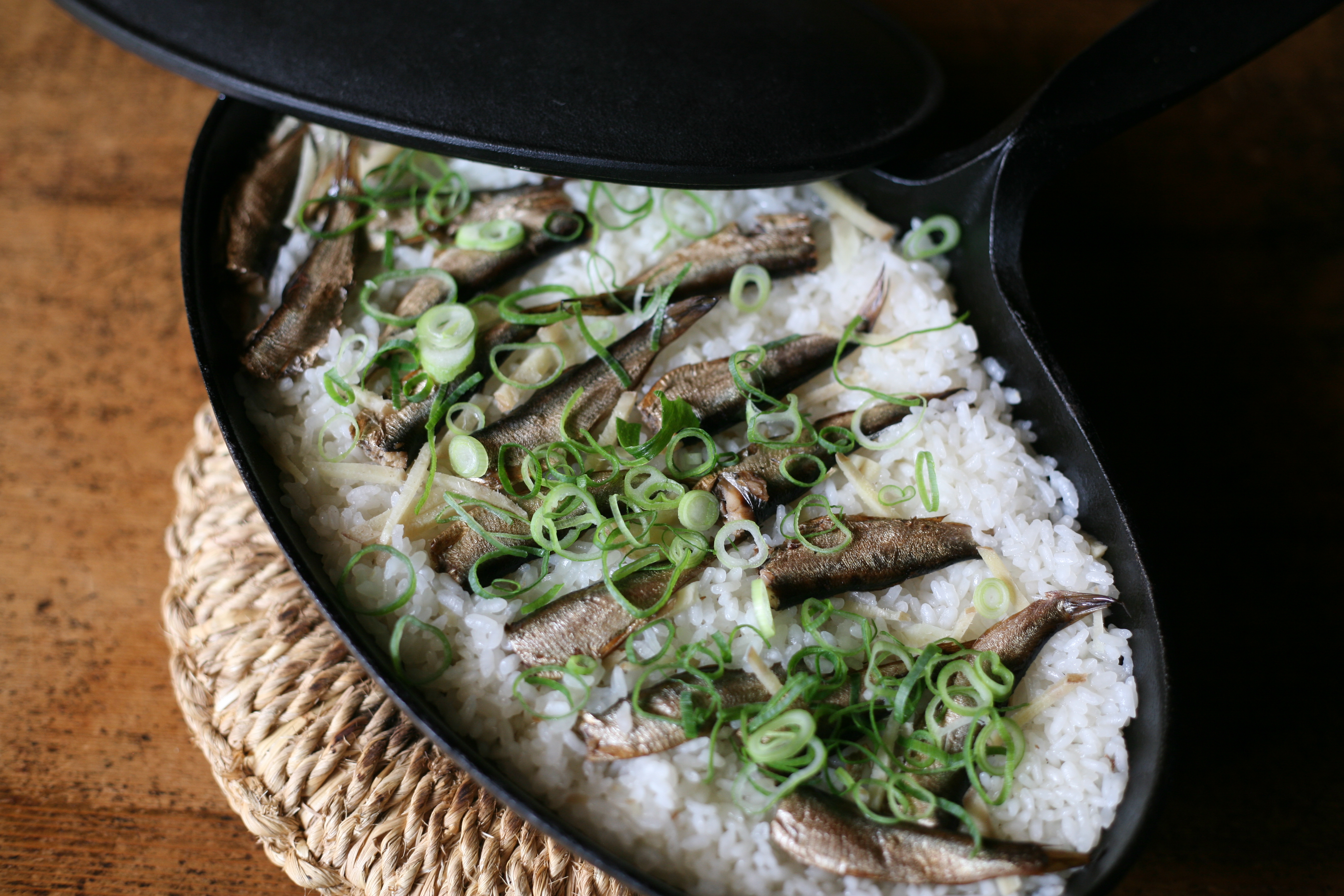
If you would like to experience the delicious taste of biriyani, we also recommend you Ogasawara Rikucho’s Fish Pan, with which you could not only prepare cooked rice, but also steak, pasta, and many other main dishes. The national food cherished in many countries, combined with the functional and multi-purpose pan, would provide you with a whole new experience.

Rikucho Ogasawara's Fish Pan
https://www.shokunin.com/en/rikucho/fishpan.html

Reference:
https://www.biriyani.info/ビリヤニとは/

1

2

3

4

5

6

7

8

9

[Ginza Showroom]

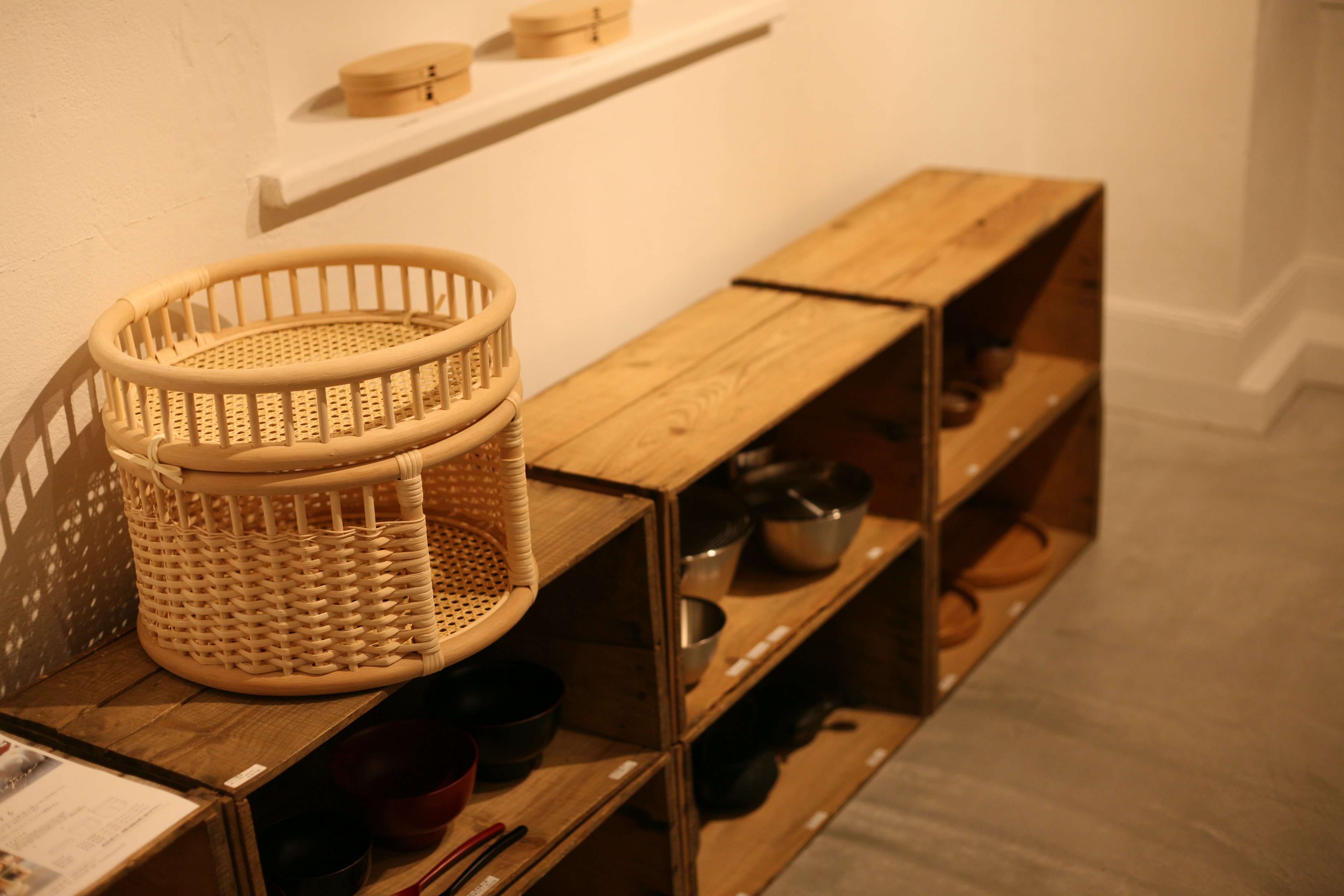
Opened on October 19th, 2020. There are about 30 exhibits. *We do not sell the exhibits at Ginza Showroom. We kindly ask for your understanding.

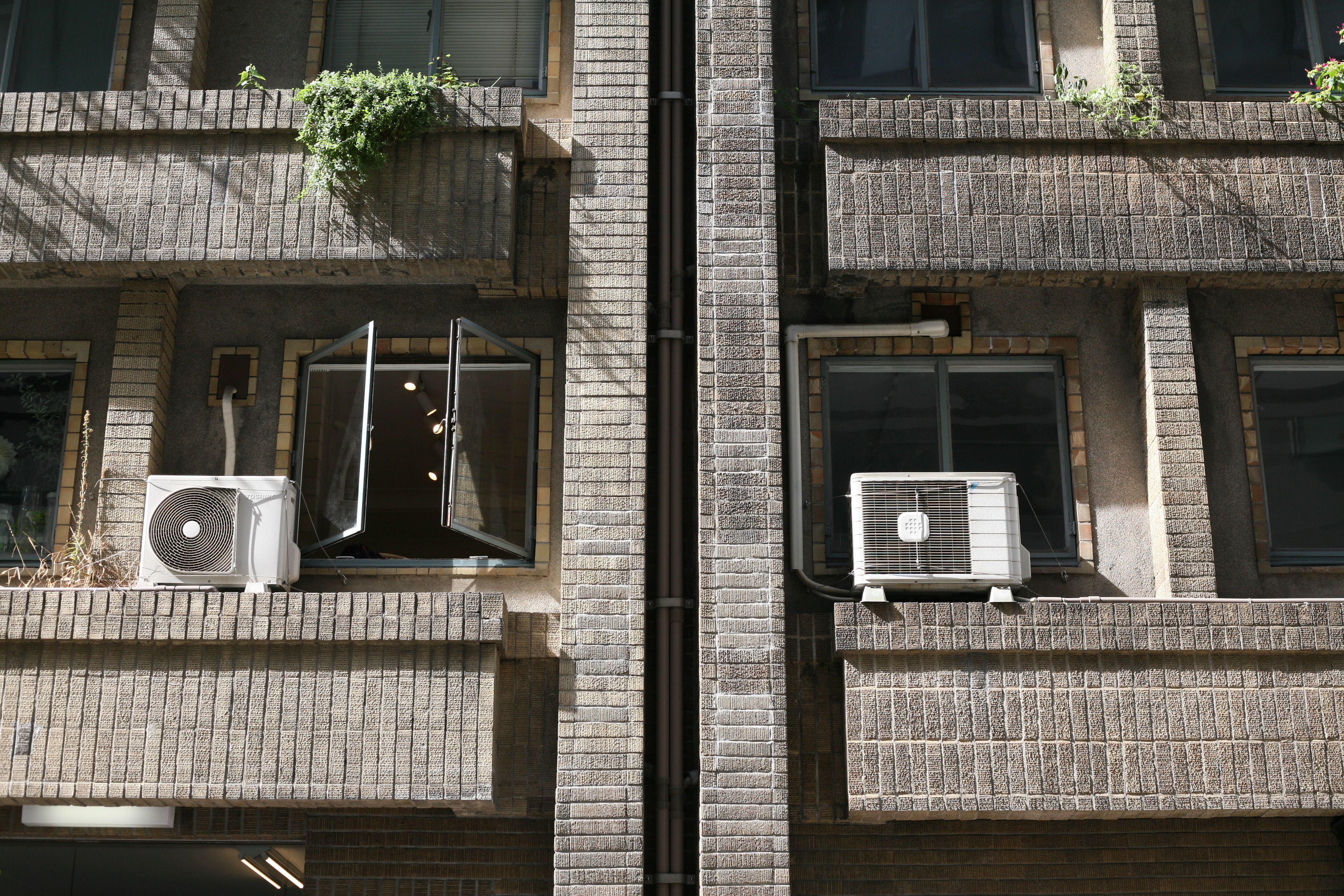
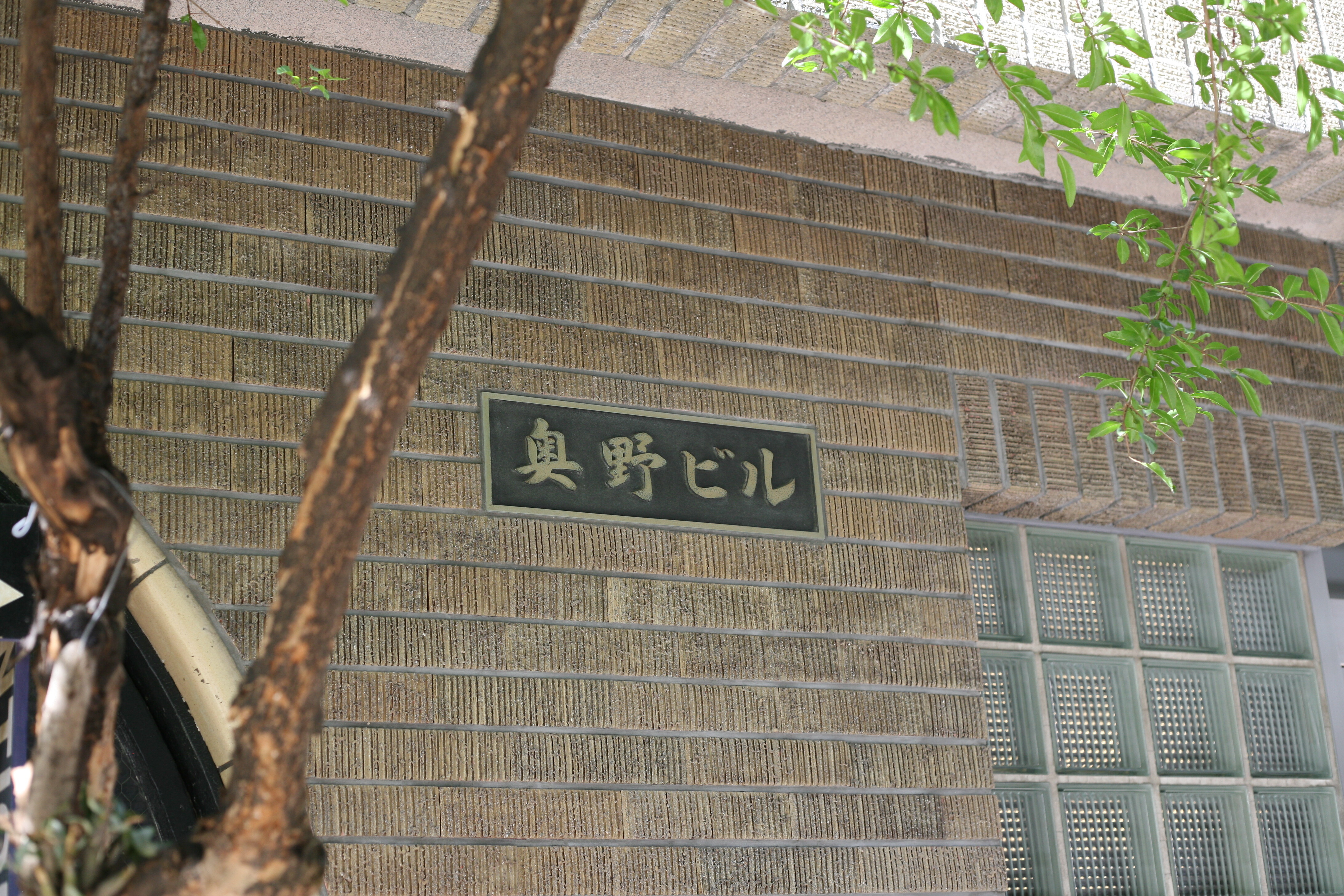
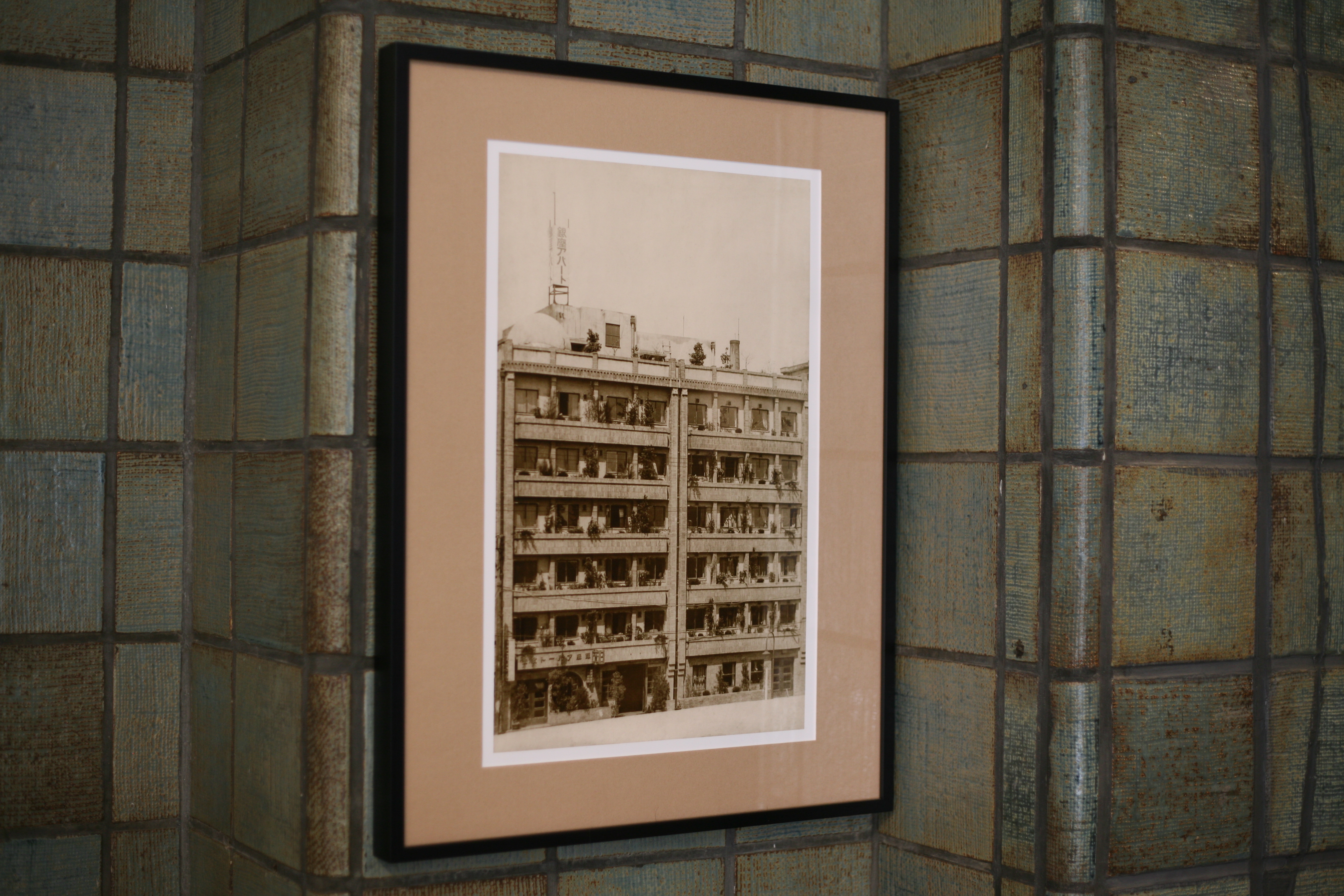
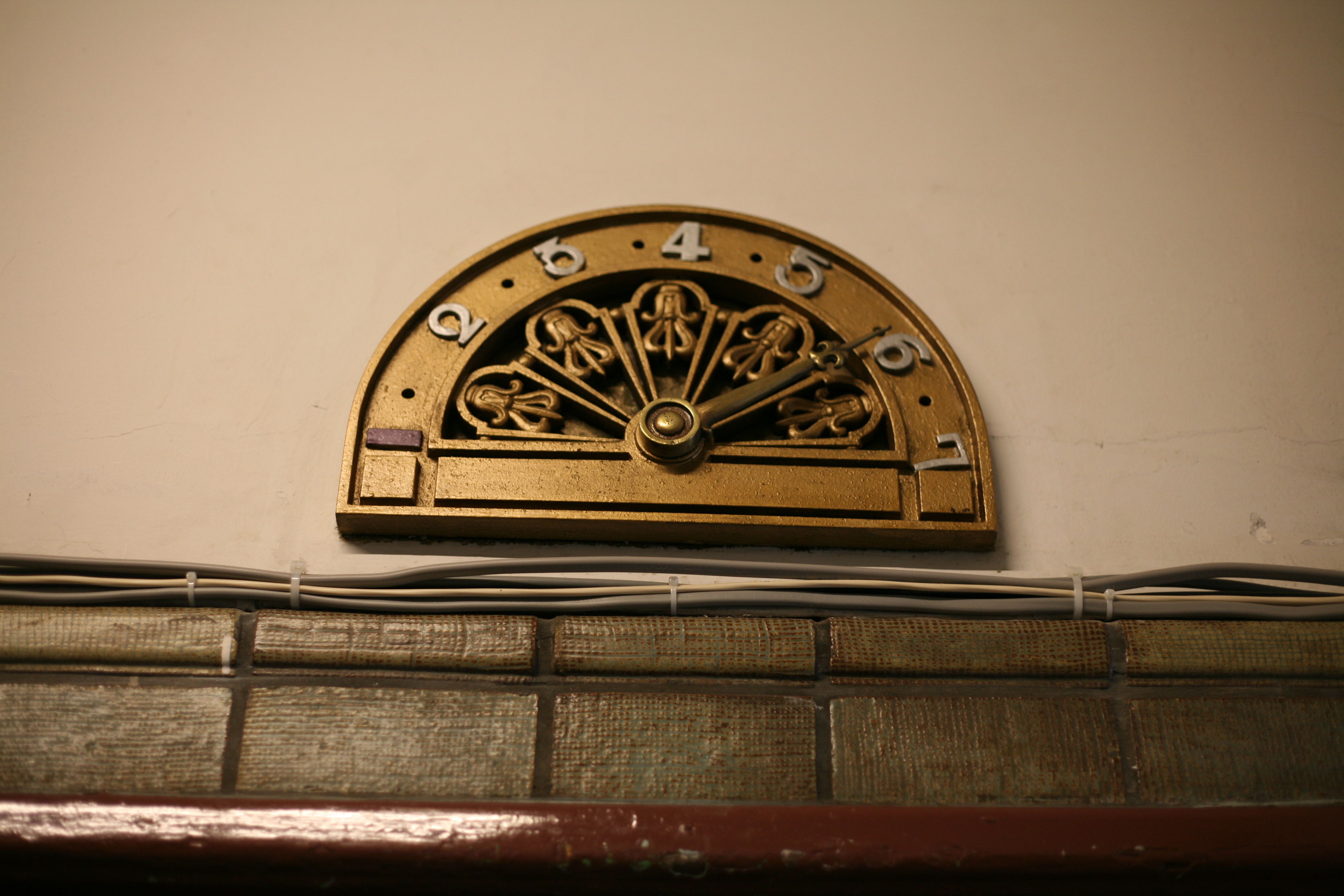
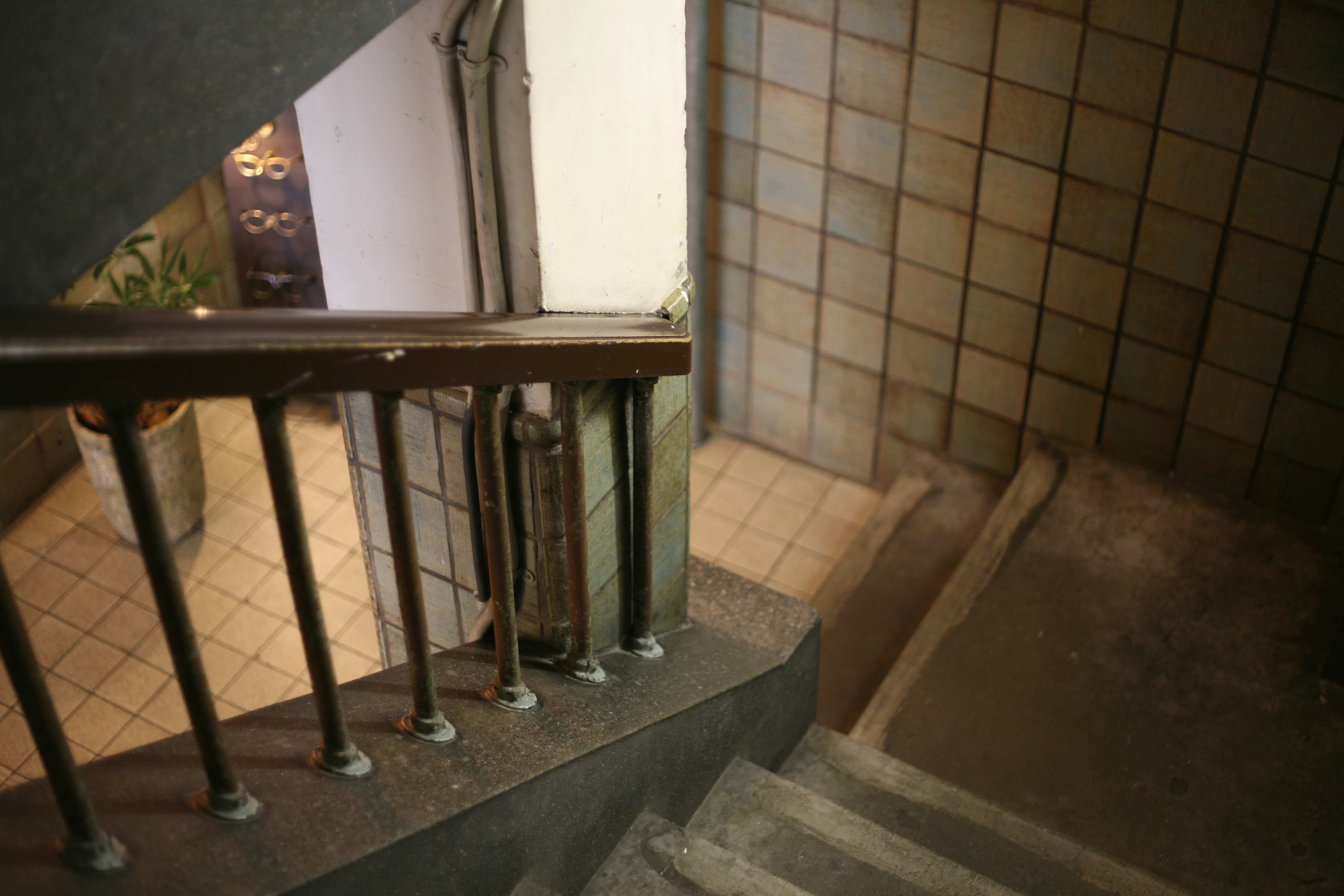
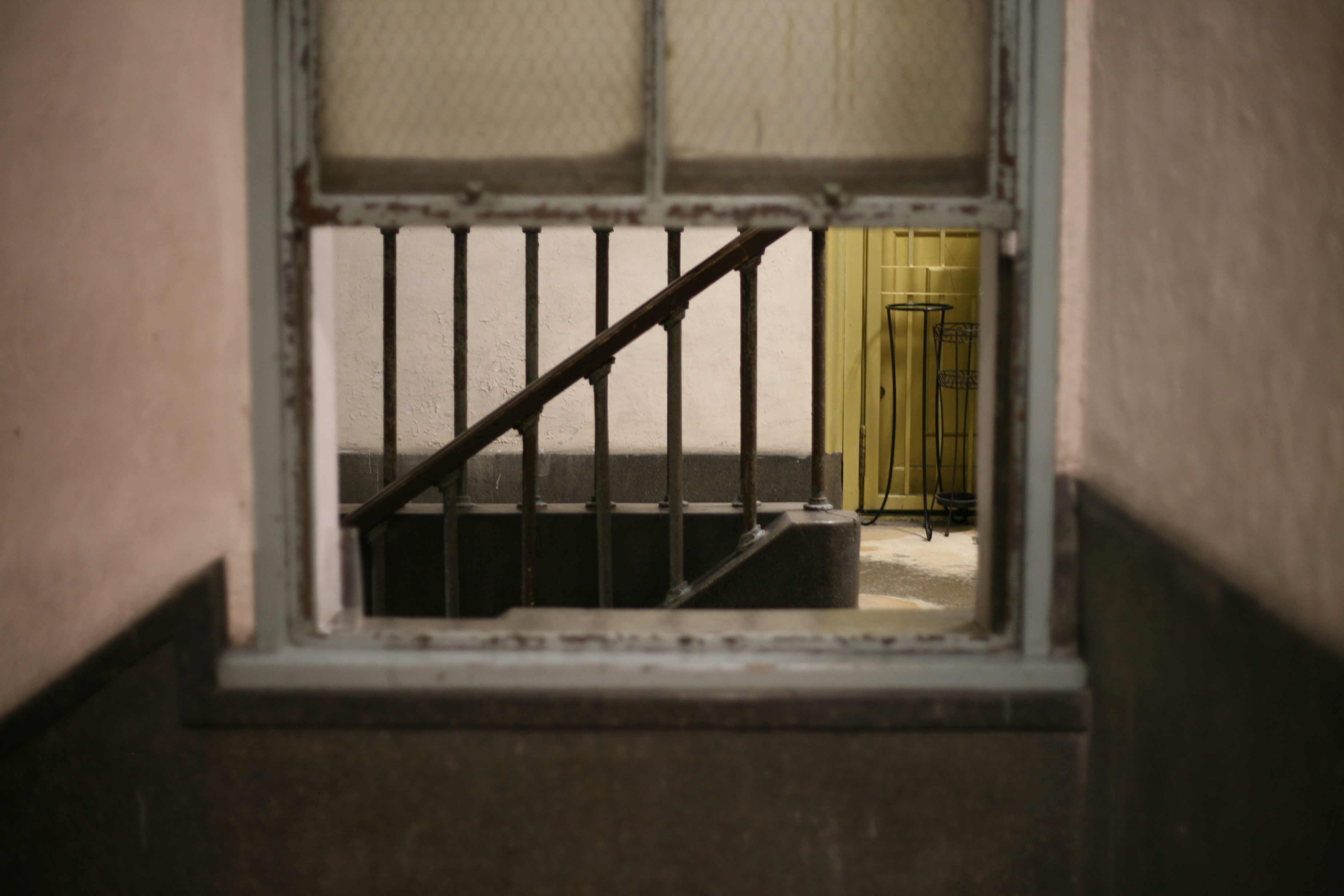
Okuno Building, constructed in 1932 and initially called “Ginza Apartment,” was once a foremost exlcusive apartment house in Ginza. Its appearance, elevator, stairwell, and corridors remain preserved, and it is almost the only remaining, valuable collective house in Ginza. The building, in which many ateliers and galleries moved into, is widely known as an attraction for many fans.

*Please bring your passport to get a tax-free service.

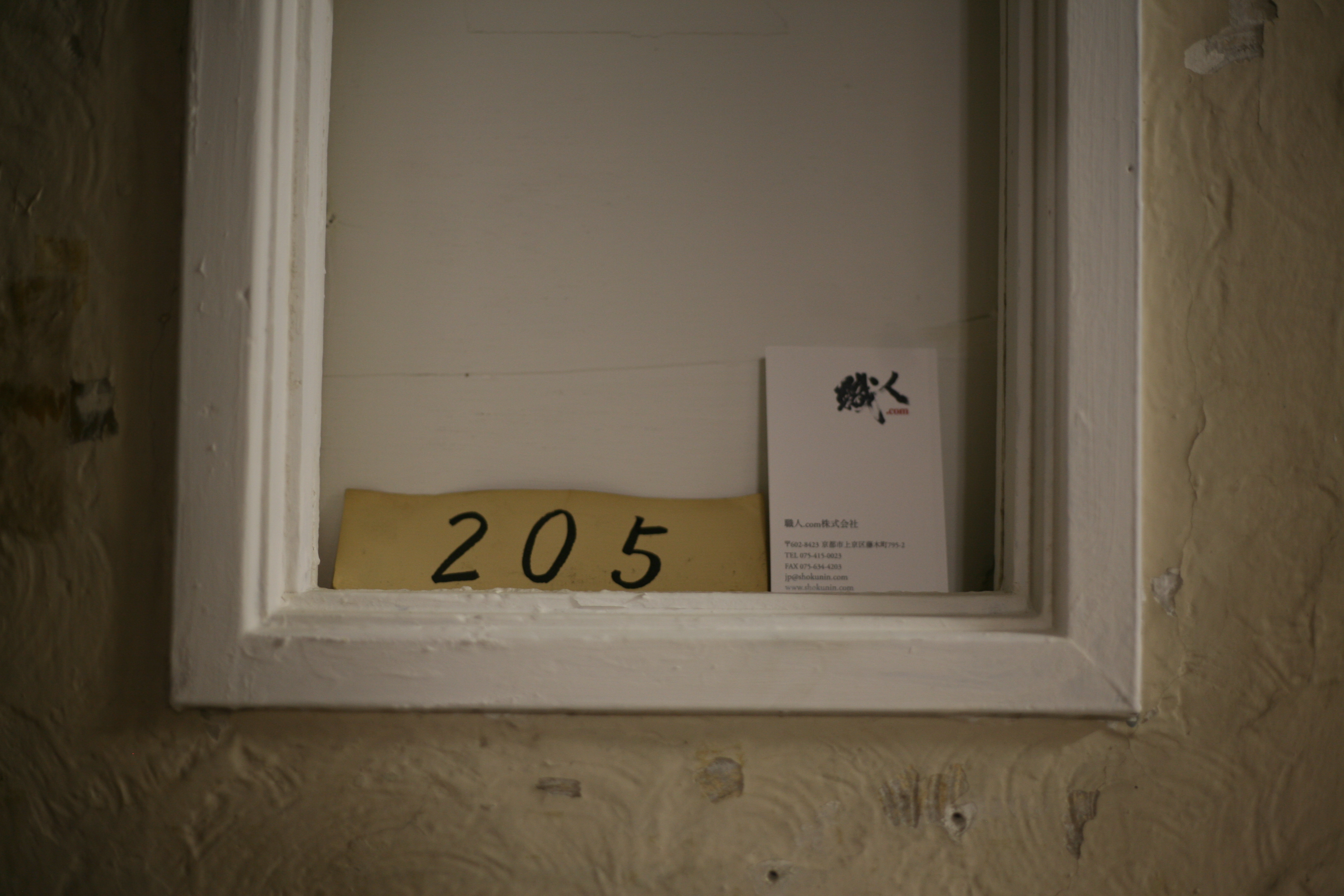
Location: Okuno Building 205, 1-9-8 Ginza, Chuo-ku, Tokyo 104-0061, JAPAN
Phone: +81-75-415-0023 (Head Office)
Business Hours: (Except for New Year's Holiday) 12:00-18:00 on Friday, Saturday, Sunday, and Monday
Access: 1 minute walk from Gate 10 of Ginza-itchome Station (Yurakucho Line), 12 minutes walk from Yaesu Gate of JR Tokyo Station

Shokunin.com Ginza Showroom
https://www.shokunin.com/en/showroom/ginza.html